 Almabsat
 العربية
 English
 中文
中文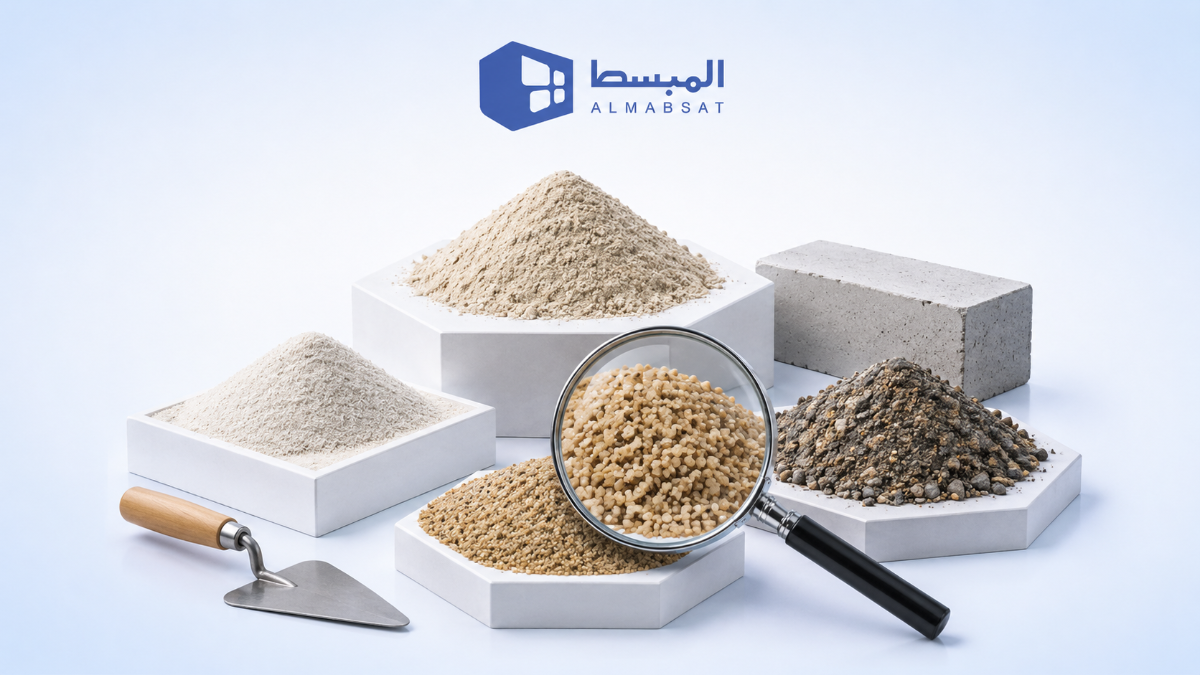
In the world of construction, small details intertwine to make a big difference, and among those details sand stands out — that essential element that plays a major role in shaping the foundations of any building project. But have you ever thought about the types of sand used in concrete? And does the type of sand really affect the quality and strength of a build? Sand isn't just tiny grains; it's a fundamental part of the concrete mix equation that strong, durable structures rely on. Each type of sand has its own properties and advantages that suit a particular use, and choosing the right type isn't a random choice — it's a decision that requires knowledge.
Types of sand used in concrete
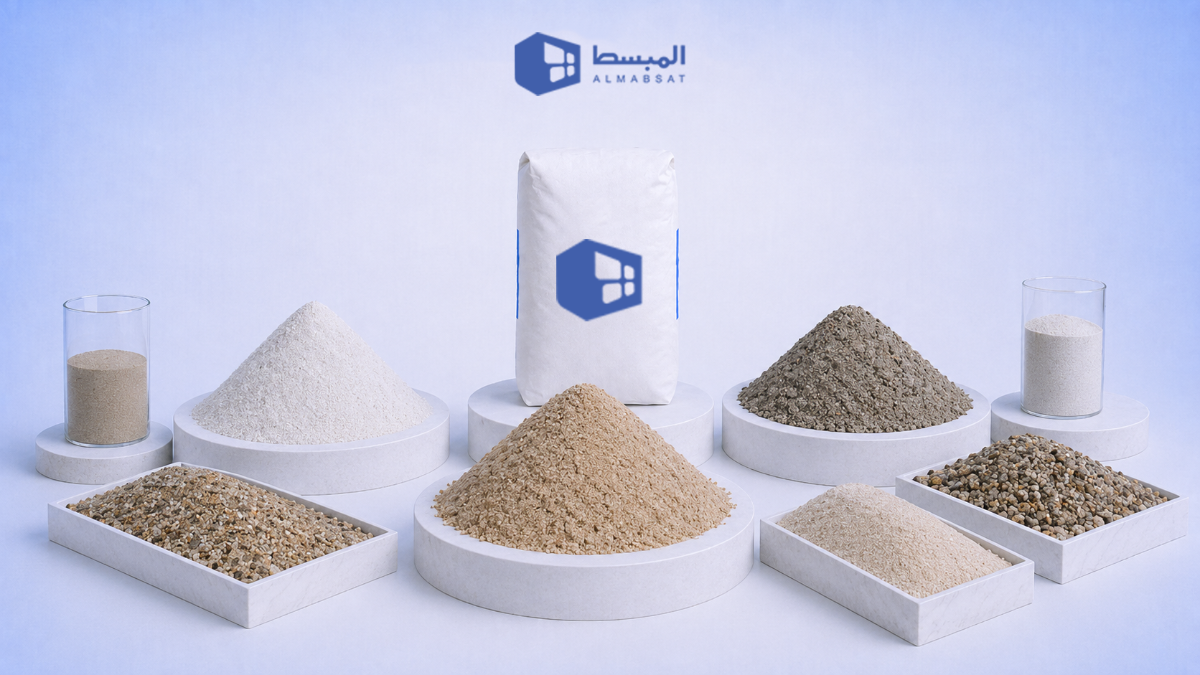
The types of sand used in concrete depend heavily on the kind of build and the purpose of use. Sand is one of the essential components in making concrete, as it fills the gaps between the gravel and the cement, giving the concrete strength and hardness. But not all types of sand are suitable for use in concrete — each type has properties that make it well-suited for particular uses. The types of sand used in concrete can be classified according to several criteria, including:
1. By size
- Coarse sand:
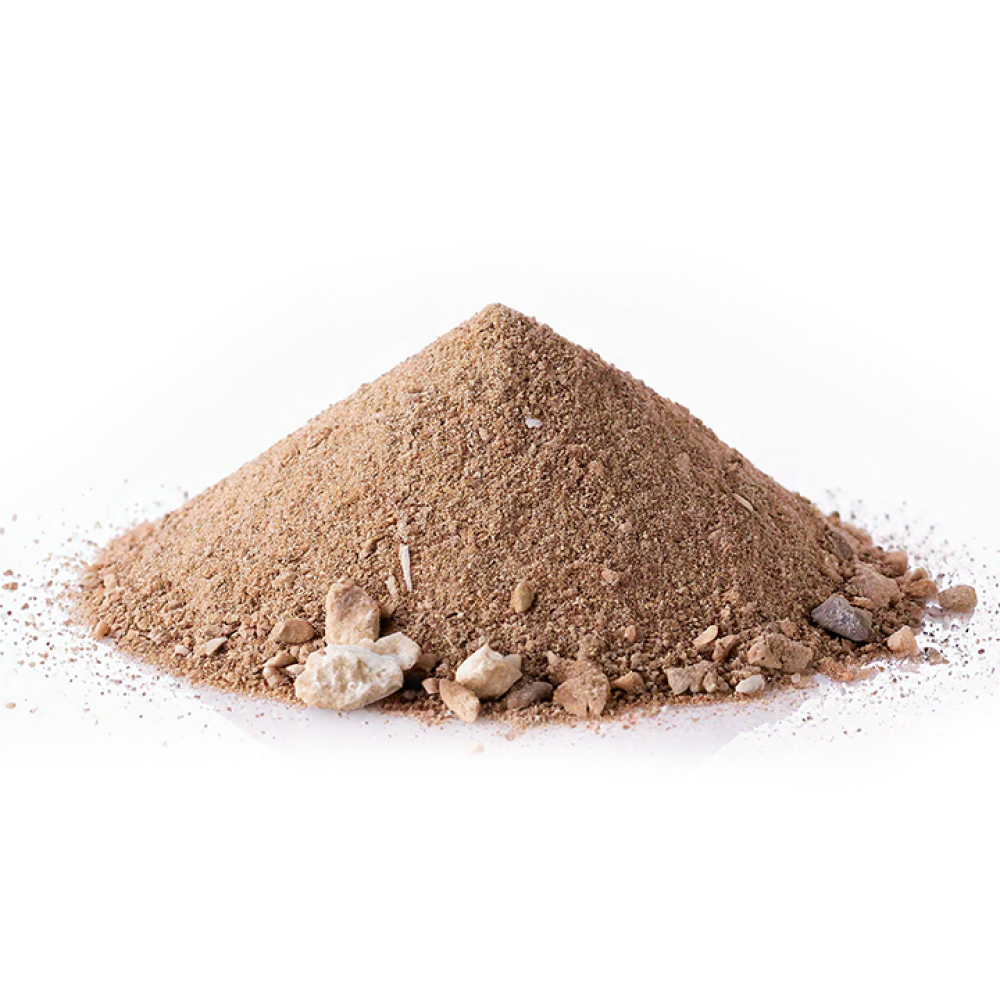
- Coarse sand is distinguished by its large, irregular grains, making it ideal for use in strong concrete mixes and construction that needs to bear heavy loads, as it boosts cohesion between materials.
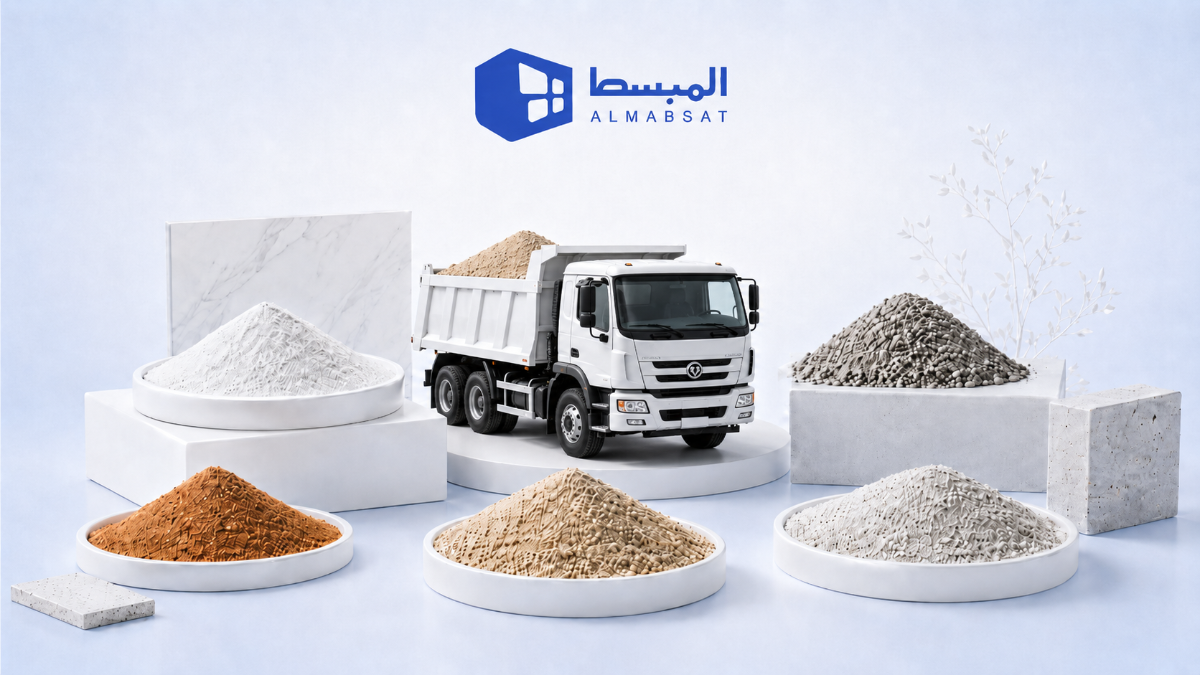
Mixed Sand from Almabsat is the ideal choice for construction and concrete work that demands strength and durability! Whether you need small or large quantities, we provide mixed sand with multiple transport options: Dyna, regular truck, six-wheeler, and trailer — to meet your needs efficiently. With its ideal composition and uniform coarse grains, Almabsat's mixed sand guarantees outstanding performance in pouring concrete and foundations, with fast delivery and high quality.
- Fine sand:
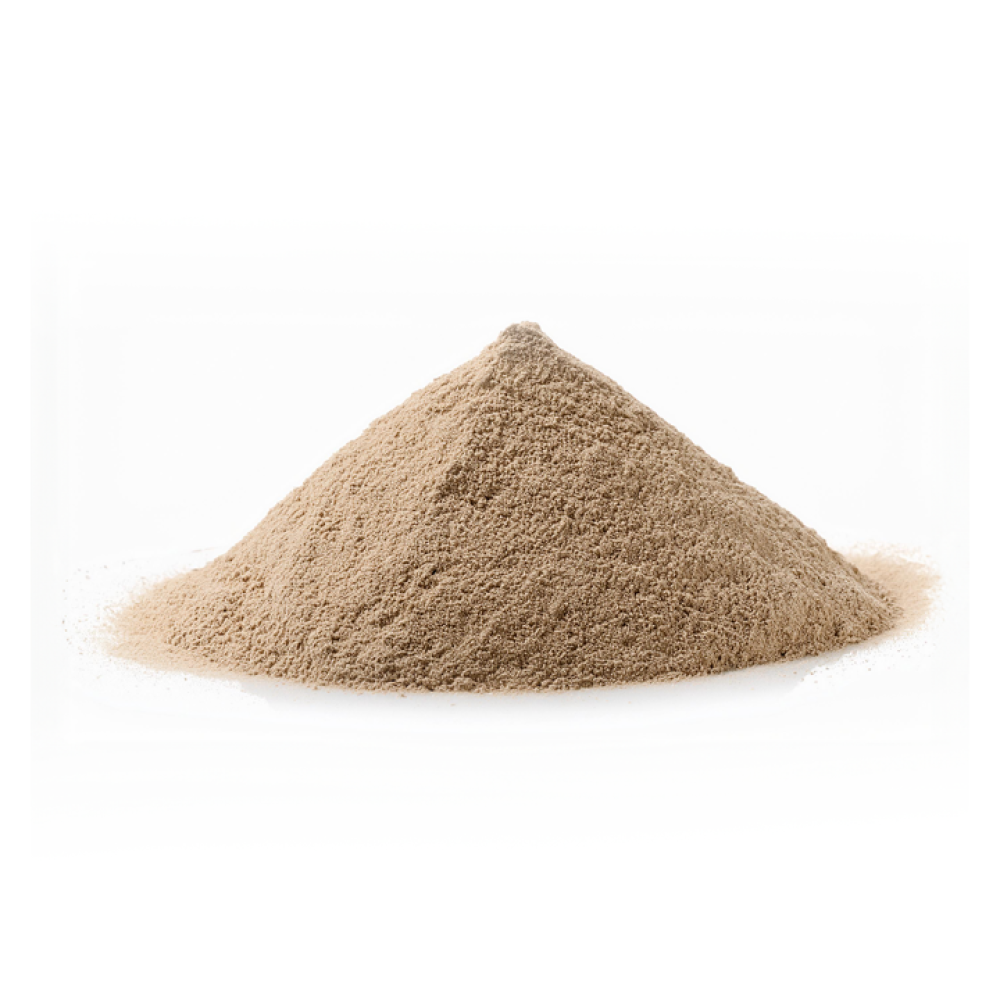
- Fine sand is distinguished by its small grain size and smooth texture, making it ideal for finishing work such as plastering and painting, as it helps achieve smooth final surfaces.
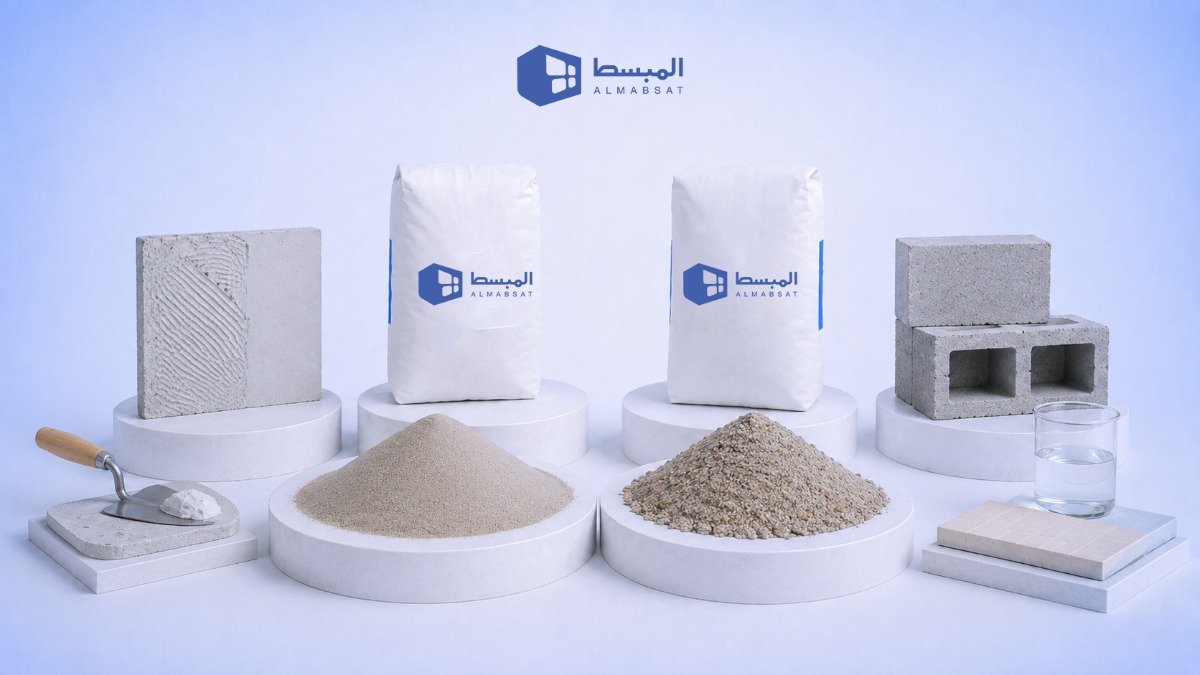
You can get top-quality plastering sand for your projects, whether you're looking for the right quantity for small or large projects! Choose what suits you from our wide range of options to meet all your building needs at the best prices with fast delivery. Plastering Sand from Almabsat is your perfect partner for an elegant finish and a smooth surface that ensures lasting quality.
2. By source
- River sand:
River sand is extracted from riverbeds. It's clean and free of impurities, making it an excellent choice for concrete and for work that requires high-quality materials.
- Sea sand:
Sea sand is obtained from beaches and is considered suitable for some types of construction after removing the salts and impurities that could affect the durability of the concrete.
- Desert sand:
Desert sand is the type abundantly available in desert regions, where wide layers of fine sand — produced by erosion and wind — cover the ground. It's distinguished by fine, lightweight particles, but its use in construction and concrete is limited because of its smooth, rounded grains, which reduce the cohesion of materials.
3. By processing method
- Natural sand:
Natural sand refers to sand extracted directly from nature without significant industrial processing. It's used in various construction works thanks to its inherent quality and availability.
- Manufactured sand:
Manufactured sand is a type of sand produced using advanced techniques to crush large stones or grind rocky materials. It's distinguished by high quality and precise properties that meet the requirements of modern construction projects. It's commonly used as an alternative to natural sand in regions that suffer from a shortage of natural resources.
In conclusion, the types of sand used in concrete play a vital role in determining the quality and strength of the concrete structure. From coarse sand to fine sand and sea sand, each type has properties that make it suitable for specific uses. It's important to choose the right type based on the project's needs and requirements. If you're looking for a reliable source to buy sand in its various types, Almabsat is the ideal choice. It offers you a range of high-quality sands that guarantee the best results in your construction projects, with outstanding service and competitive prices.
To buy the types of sand used in concrete:
[[almabsat.com]]
General Disclaimer:
The information provided in this article is intended for general awareness purposes, aimed at helping readers better understand construction materials, procurement processes, and make more informed decisions. While Almabsat takes care in preparing and reviewing this content, every project is unique, and technical specifications, quantities, prices, execution methods, regulations, and manufacturer instructions may vary.
Therefore, this content should not be considered a substitute for engineering, technical, or professional consultation. It is recommended to consult engineers, consultants, and relevant authorities, and to review technical specifications and manufacturer instructions before making any design, execution, or purchasing decisions.
If this article includes any prices or price indicators, they are for guidance purposes only and may vary depending on the city, quantity, brand, purchase date, and market conditions.
If you need assistance with quantity estimation, BOQ review, or obtaining a quotation, the Almabsat team will be happy to assist you.