 Almabsat
 العربية
 English
 中文
中文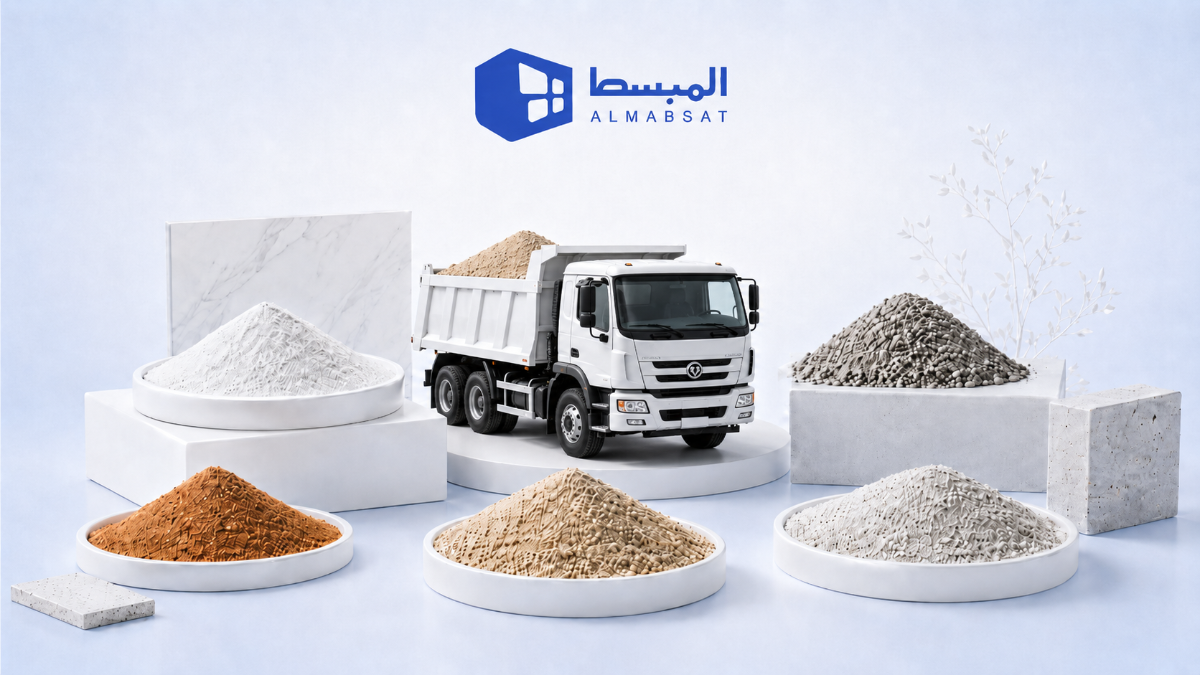
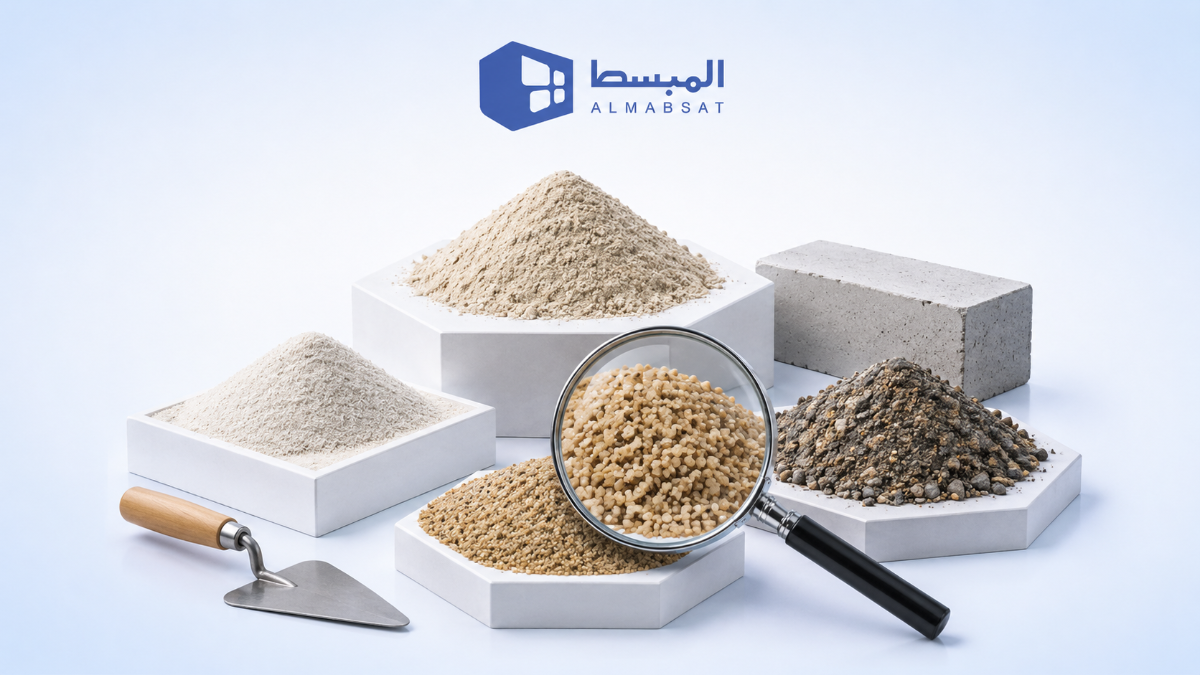
Sand is one of the most important natural elements, dressing the earth in its varied colors and unique shapes. Since ancient times, sand has been a witness to countless natural events and geographic shifts. Today, the most common types of sand and their properties stand out as a fundamental part of shaping different environments — from hot deserts to calm beaches — with each type carrying characteristics that set it apart in color, size, and texture, making it suited to a particular environment and giving it a special role in nature's balance.
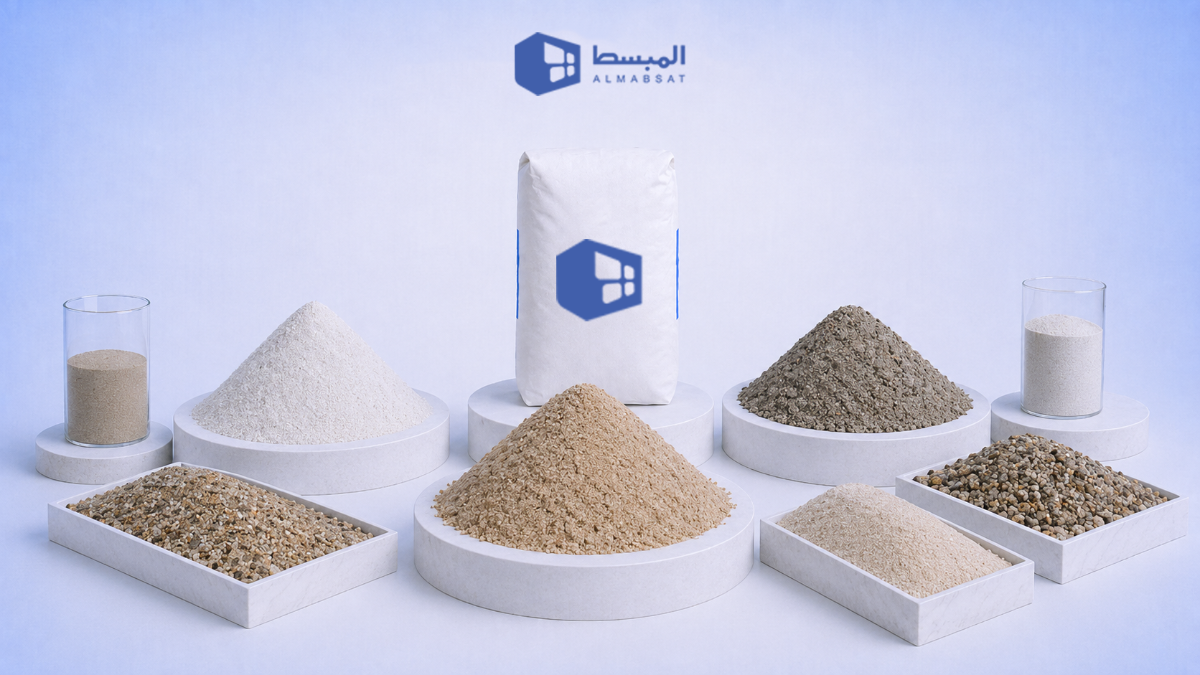
The Most Common Types of Sand and Their Properties
Sand is one of the basic elements used in many industries, the most important being construction and building. It's a key component in many structural mixes such as concrete, foundations, and mortar, and it plays a central role in ensuring the strength and durability of a build. The types of sand used in construction differ according to their chemical and physical properties, including grain size, shape, color, and mineral content. In this article, we'll cover the most common types of sand and their properties used in construction and building.
1. Fine Sand (Building Sand)
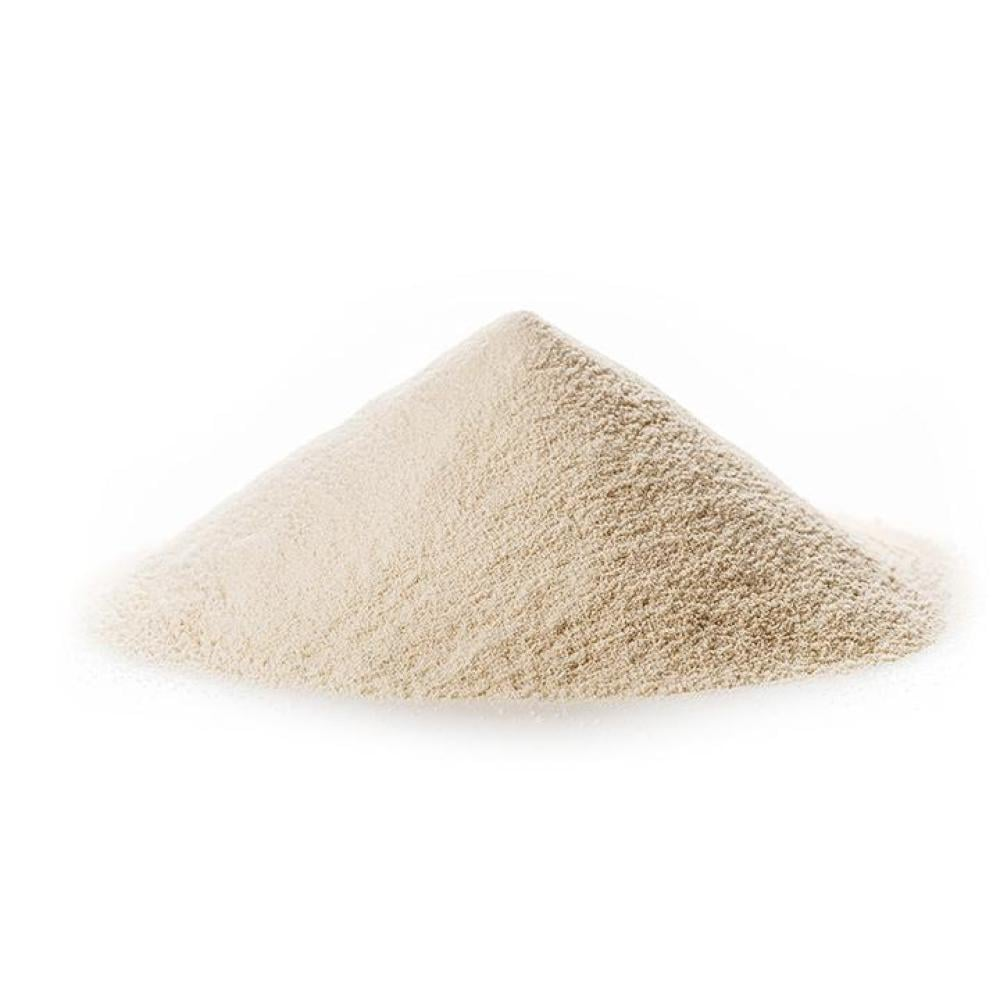
Fine sand is one of the most common types in the construction industry. It's made up of small, pure grains and is usually light or white in color. This type of sand is mainly used in concrete and mortar mixes, where it helps improve cohesion between the other components such as cement and water.
Properties:
- Grain size: features small grains, which helps achieve a smooth, homogeneous mix.
- Color: often white or gray, giving concrete and mortar a smooth, attractive look.
- Texture: very fine to the touch, making it easy to use in projects that require precise components.
Uses:
- Mainly used in building surfaces, ready-mix concrete, and mortar.
- Ideal for backfilling and leveling on construction sites.
- Used in building projects that require high load-bearing capacity and precision in finishes.
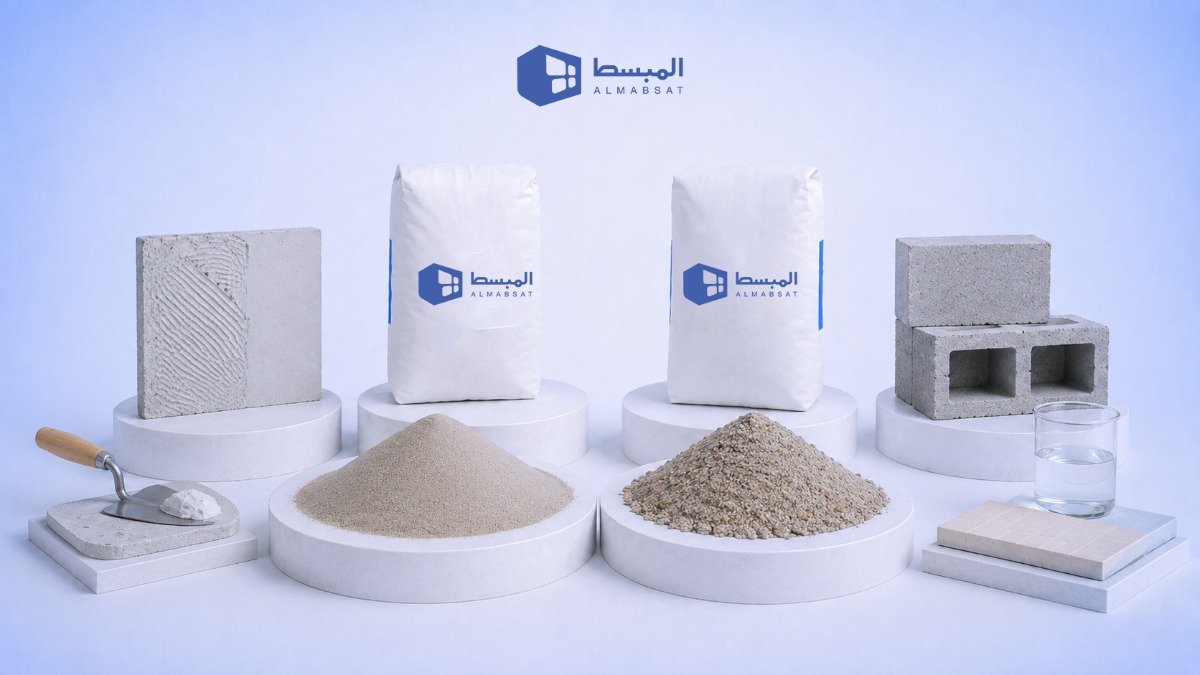
White Building Sand from Almabsat is pure and ideal for construction, giving you exceptional strength and ensuring precise, high-quality finishes for every project. Thanks to its properties, this sand offers high load-bearing capacity and the perfect foundation for building strong, lasting structures. Choose Almabsat sand today to meet the highest quality standards in your construction work.
2. Coarse Sand
Coarse sand has larger grains compared to fine sand, and is found mainly in coastal or river areas. This type of sand is used in work that requires greater load-bearing capacity, such as foundations, roads, and heavy buildings.
Properties:
- Grain size: larger, coarser grains that make it ideal for mixes needing more durability.
- Color: usually tends toward brown or dark gray.
- Texture: coarse to the touch, making it more resistant to pressure and wear.
Uses:
- Used in concrete foundations and work requiring high structural strength, such as bridge building.
- Also used in producing reinforced concrete, where it helps improve load-bearing capacity.
3. Washed Sand
Washed sand is obtained by washing the sand free of impurities such as clay or organic matter using water. This type of sand is an ideal option in construction, as it helps improve concrete quality and reduce the moisture content that could affect the cement mix.
Properties:
- Purity: free of impurities such as clay and organic matter, making it preferred for most structural uses.
- Grain size: contains fine, homogeneous grains.
- Durability: strong and stable, and not easily affected by climate changes.
Uses:
- Used in high-quality concrete mixes.
- Ideal for projects that require dry, hard concrete.
- Also used in making bricks and mortar to increase cohesion and durability.
4. Silica Sand
Silica sand is one of the most widespread types of sand in the construction industry, made up mainly of the mineral silica (SiO2). This sand is ideal for making glass and concrete, thanks to its high purity and load-bearing strength.
Properties:
- Purity: contains a high proportion of silica, giving it exceptional strength.
- Color: usually white or transparent with fine grains.
- Durability: very hard, making it ideal for mixes that need high load-bearing capacity.
Uses:
- Used in making concrete and glass.
- Used in making filters for industrial systems, thanks to its high capacity for purifying water.
- Also used in building projects that require precise control over the shape and finishes of concrete.
5. Red Sand
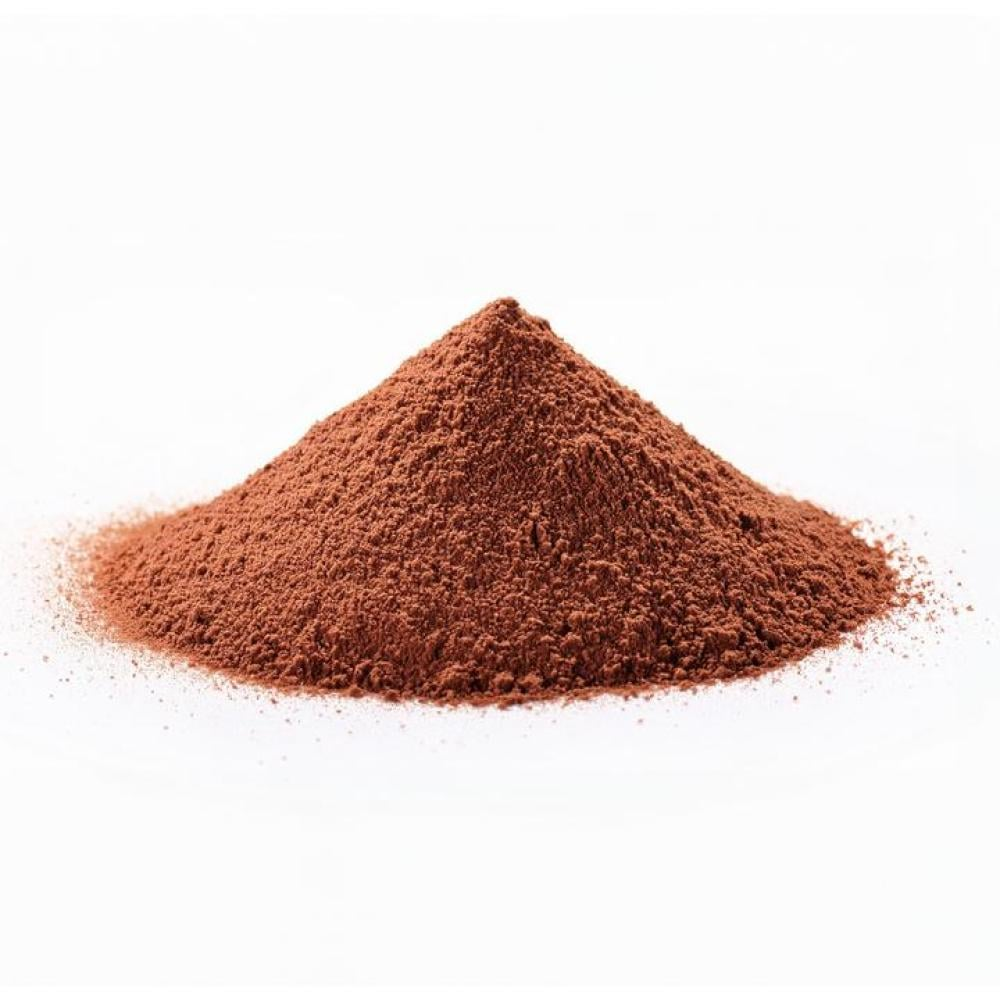
Red sand is distinguished by its reddish color resulting from the presence of iron oxides, and is widely used in construction in some regions such as Africa and Asia. This sand is known for its good resistance to environmental factors.
Properties:
- Color: distinguished by its red color caused by the presence of iron oxides.
- Texture: relatively coarse, making it strong when used in concrete.
- Durability: considered one of the sands with high resistance to weather conditions.
Uses:
- Used in intensive construction and structural projects that require strong foundations.
- Used in making red brick, known for its hardness and quality.
Are you looking for high-quality red sand for your construction needs? Discover red sand from Almabsat — fine and ideal for backfilling and leveling, reinforcing foundations and giving them the strength and durability they need to resist environmental changes. Thanks to its properties, you'll get the best performance for your construction projects, making it the perfect choice for long-term stability. Start your building journey with Almabsat sand today.
6. Manufactured Sand
Manufactured sand, also known as artificial sand, is produced by crushing natural rocks such as granite or basalt. It's used in cases of severe shortage of natural sand or in places where natural sand sources are hard to reach.
Properties:
- Size: grain size can be controlled during the manufacturing process.
- Durability: strongly hard thanks to the materials it's made from.
- Purity: impurities can be reduced during manufacturing, ensuring good purity.
Uses:
- Used in building projects that require great hardness and load-bearing capacity.
- Ideal for construction in areas suffering from a shortage of natural sand.
- Used in high-durability concrete mixes.
7. Marine Sand
Marine sand is extracted from the sea floor or from beaches, and is considered one of the sands that contain a proportion of mineral salts. This type of sand is used in some cases, but it must be washed thoroughly to remove the salts.
Properties:
- Salinity: contains a proportion of salts that can affect concrete quality if not washed well.
- Color: often tends toward gray or brown.
Uses:
- Used in construction after washing the sand well to remove the salts.
- Used in concrete mixes for projects that don't require high durability.
The most common types of sand and their properties used in construction and building are varied and essential for ensuring the strength and quality of construction projects. From fine sand to coarse sand, and from silica sand to washed sand, each type of sand has its own unique properties that make it ideal for particular uses. By choosing the right type of sand, you can improve the quality of concrete, foundations, and mortar, helping to build strong, safe structures that last a long time.
In conclusion, we find that the most common types of sand and their properties are not just natural components on the earth's surface, but stories that tell of the evolution of environments and their differences around the world. From fine golden sands to red sands with their unique properties, each type holds within it a secret of nature. Understanding these types can open new horizons for us to benefit from them in various fields, reflecting the deep relationship between humans and nature in continuous harmony.
To buy the most common types of sand:
[[almabsat.com]]
General Disclaimer:
The information provided in this article is intended for general awareness purposes, aimed at helping readers better understand construction materials, procurement processes, and make more informed decisions. While Almabsat takes care in preparing and reviewing this content, every project is unique, and technical specifications, quantities, prices, execution methods, regulations, and manufacturer instructions may vary.
Therefore, this content should not be considered a substitute for engineering, technical, or professional consultation. It is recommended to consult engineers, consultants, and relevant authorities, and to review technical specifications and manufacturer instructions before making any design, execution, or purchasing decisions.
If this article includes any prices or price indicators, they are for guidance purposes only and may vary depending on the city, quantity, brand, purchase date, and market conditions.
If you need assistance with quantity estimation, BOQ review, or obtaining a quotation, the Almabsat team will be happy to assist you.