 Almabsat
 العربية
 English
 中文
中文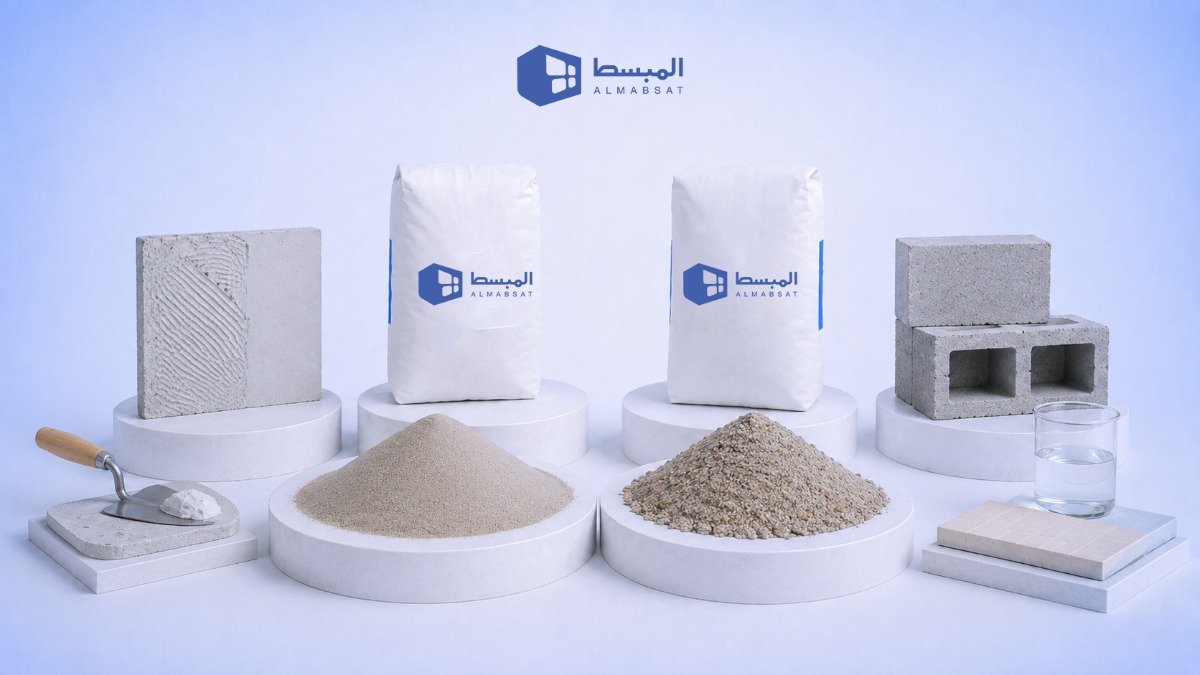
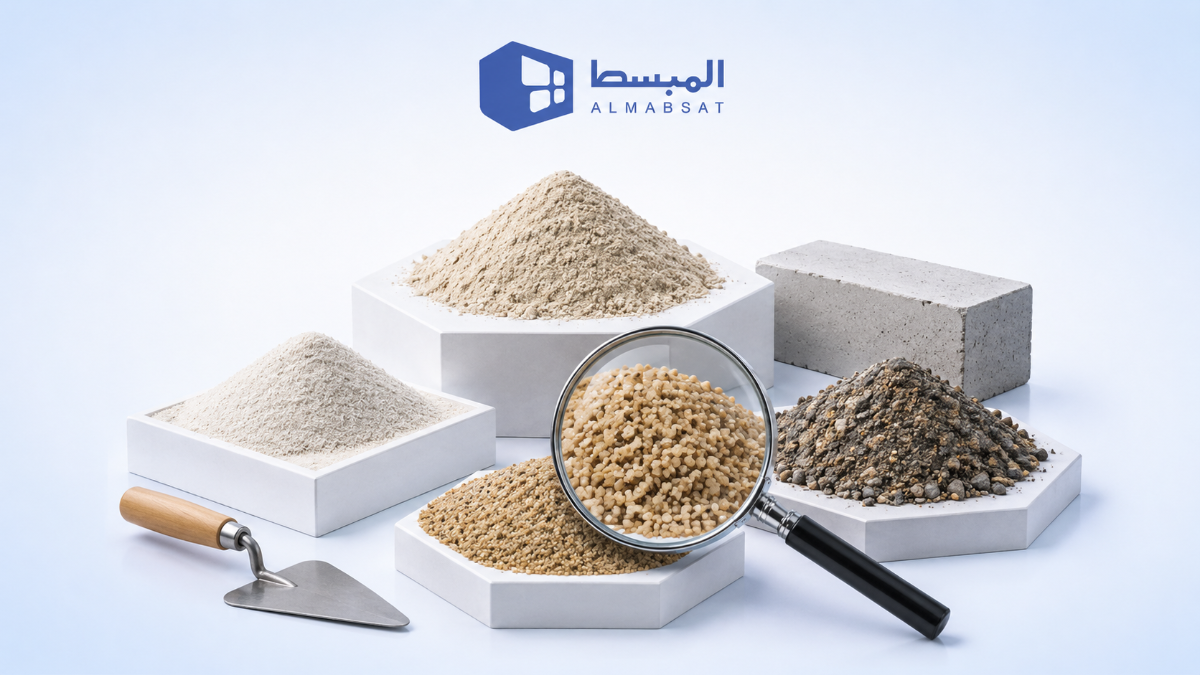
When starting any construction or finishing project, choosing core materials like sand is one of the factors that significantly affects the quality of the work. But do you know the difference between fine sand and coarse sand? This choice is essential for achieving precise, sustainable results. In this guide, we'll go over the fundamental differences between these two types of sand, and how each one can affect the properties and quality of concrete in different projects.
What's the difference between fine and coarse sand? Everything you need to know for a strong build
The difference between fine and coarse sand isn't just a matter of size or texture — their impact extends to how each type is used in different construction projects. Here we'll take a detailed look at the key differences between the two types and their effect on building.
1. Composition and size
- Fine sand: distinguished by its very small grains, ranging in size from 0.075 to 0.425 mm. These small grains make fine sand ideal for work that requires precise materials or a fine mix, such as cosmetic finishes or special concrete.
- Coarse sand: contains larger grains, the smallest being around 0.425 mm and reaching up to 2 mm or more. This type is used in work that needs enhanced strength and durability, such as reinforced concrete or foundations.
Plaster sand from Almabsat is the perfect choice for achieving smooth, even surfaces in every construction project. Thanks to its high quality, plaster sand offers you exceptional durability and ensures professional, crack-free finishes, adding a touch of perfection to every corner of your home or project. Choose plaster sand from Almabsat for precise, refined, and lasting results that guarantee unmatched quality in every finishing touch.
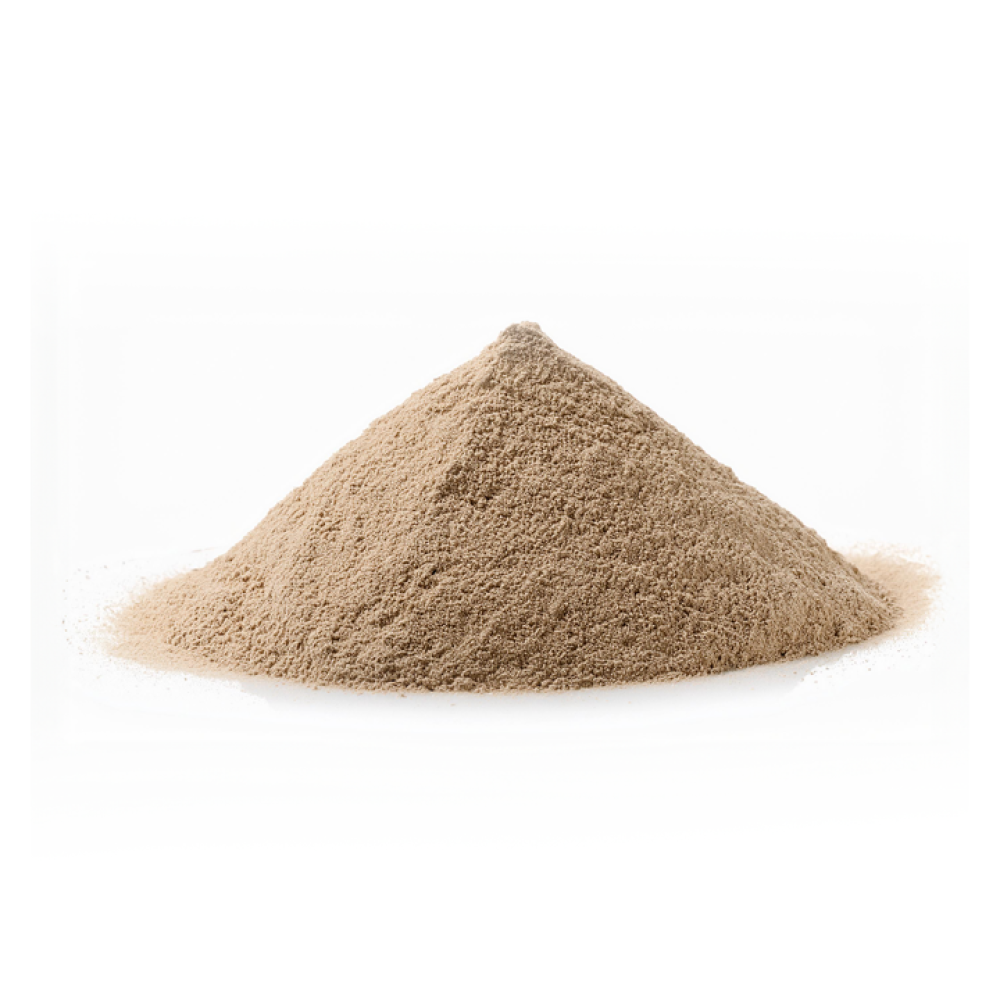
2. Physical properties
- Fine sand: because of its small grain size, fine sand has a high ability to bond with other materials, making it ideal for mixing with cement to produce concrete or fine mortar. It's also used in applications that require a smooth, precise surface.
- Coarse sand: thanks to its larger grain size, coarse sand has a smaller surface area compared to fine sand, giving it a better ability to improve concrete durability when added to it. It also helps improve the load-bearing capacity and structural performance of concrete.
3. Uses
- Fine sand: mainly used in work that requires a smooth, precise texture, such as:
- Concrete.
- Aesthetic finishes like plastering or gypsum work.
- Restoration and construction work that requires precision.
- Coarse sand: used in work that requires durability and strength, such as:
- Reinforced concrete (to increase load capacity).
- Foundations and sidewalks.
- Wall and column construction projects.
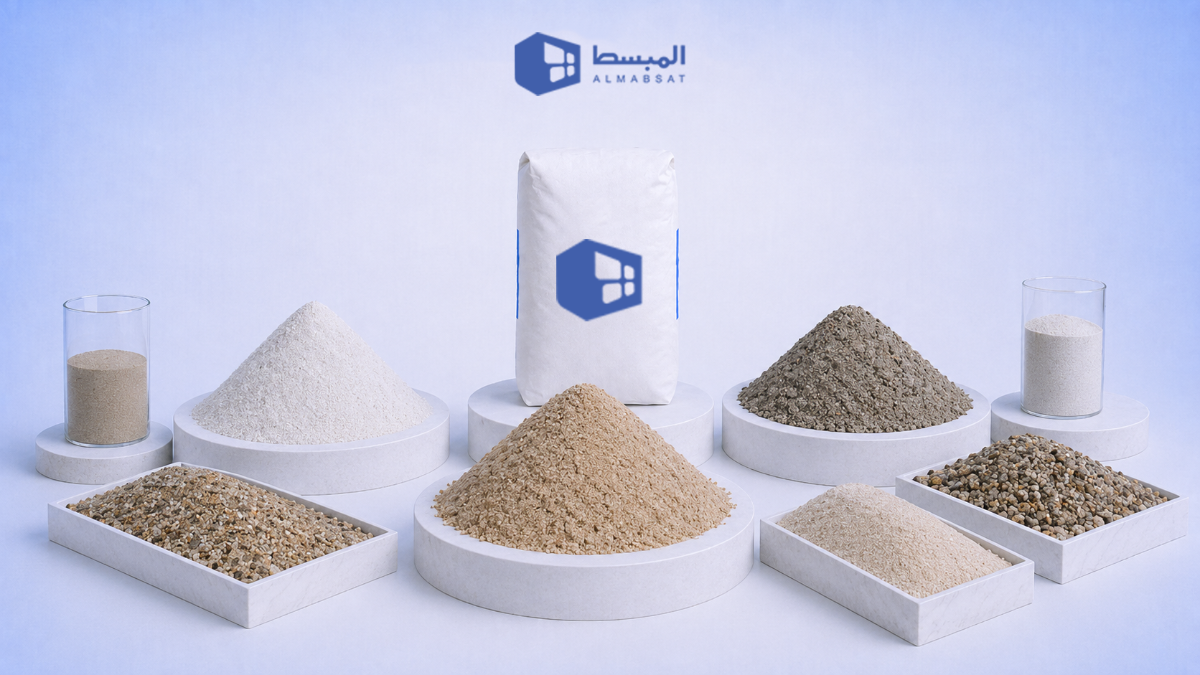
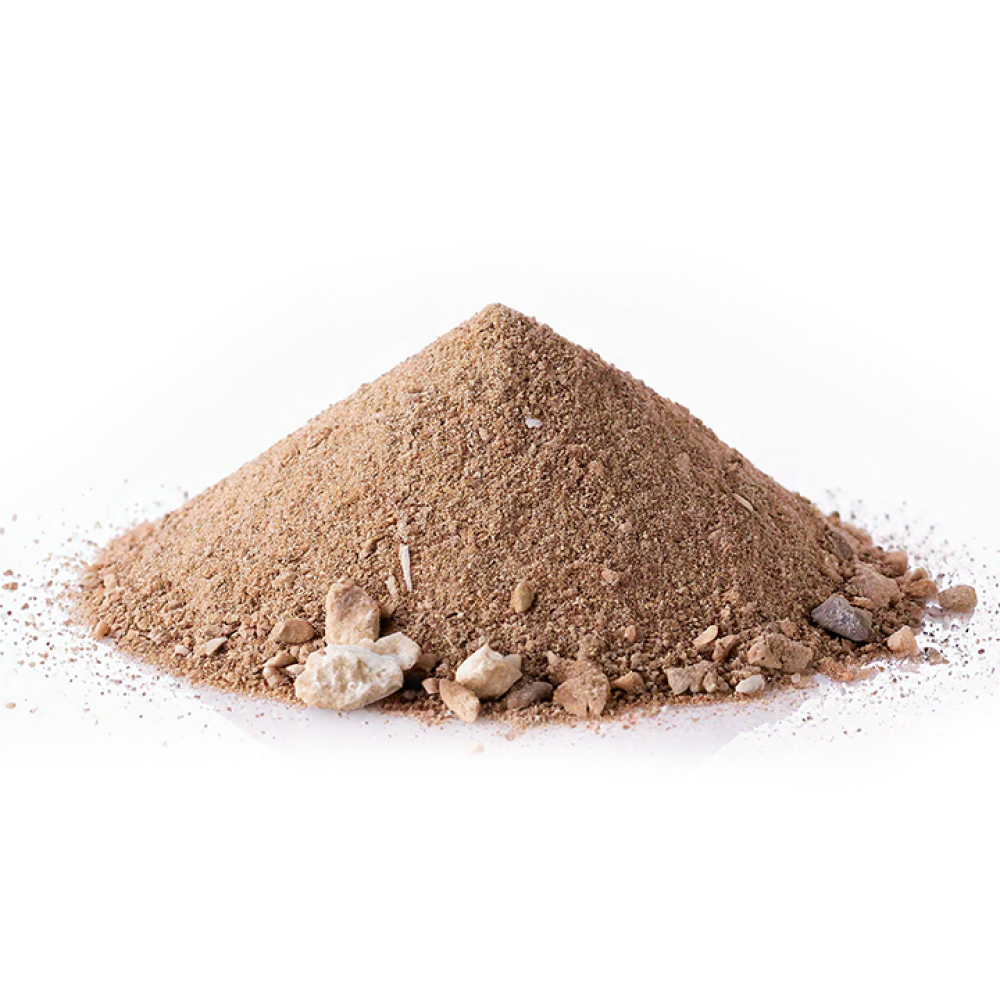
At Almabsat, we offer you a balanced mixed sand that's perfect for varied mixes, ensuring excellent performance and unmatched precision in all construction work. Thanks to its unique composition, you'll get ideal results, making it the perfect choice for your upcoming projects. Get mixed sand that boosts the quality of your work and saves you time and effort.
4. Impact on concrete
- Fine sand: fine sand helps improve the concrete's homogeneity, making it smoother and easier to handle when shaping, but it has less load-bearing capacity compared to concrete that contains coarse sand.
- Coarse sand: increases the durability of concrete, contributing to improved mechanical strength and reducing environmental effects such as erosion and thermal expansion, which makes the concrete more sustainable.
5. Filtering and purification
- Fine sand: in many cases, fine sand is better purified to ensure it's free of impurities that could affect the mixing and final quality of the concrete.
- Coarse sand: may contain some impurities such as clay or organic materials that need treatment before using it in structural projects.
Fine and coarse sand don't just share physical properties but also their varied applications in construction. Engineers choose the most suitable type based on the project's requirements; fine sand is preferred for precise finishes and lightweight concrete, while coarse sand is preferred in building foundations and work that requires high durability.
In conclusion, understanding the difference between fine and coarse sand is an essential step to ensure you choose the right materials for different construction projects. While fine sand is distinguished by its fine texture that makes it ideal for work requiring smoothness and easy mixing, coarse sand provides additional strength and durability to concrete. Therefore, choosing the most suitable type of sand based on the project's needs is essential to achieve the best and most sustainable results.
[[almabsat.com]]
General Disclaimer:
The information provided in this article is intended for general awareness purposes, aimed at helping readers better understand construction materials, procurement processes, and make more informed decisions. While Almabsat takes care in preparing and reviewing this content, every project is unique, and technical specifications, quantities, prices, execution methods, regulations, and manufacturer instructions may vary.
Therefore, this content should not be considered a substitute for engineering, technical, or professional consultation. It is recommended to consult engineers, consultants, and relevant authorities, and to review technical specifications and manufacturer instructions before making any design, execution, or purchasing decisions.
If this article includes any prices or price indicators, they are for guidance purposes only and may vary depending on the city, quantity, brand, purchase date, and market conditions.
If you need assistance with quantity estimation, BOQ review, or obtaining a quotation, the Almabsat team will be happy to assist you.