 Almabsat
 العربية
 English
 中文
中文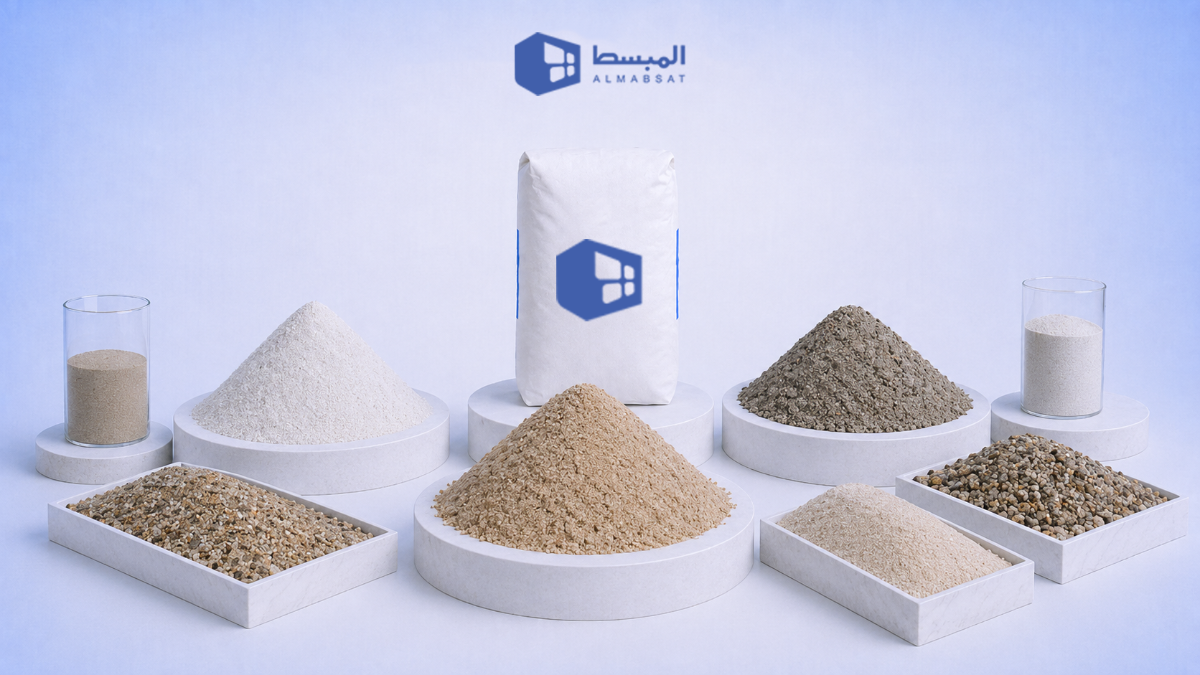
When we talk about strong foundations and durable structures that withstand the challenges of time, we can't overlook the role of the types of sand used in construction — it's the element that ensures the stability and quality of any build. From fine sands used in finishes to coarse sands that boost concrete durability, choosing the right type remains a decisive step for every construction project. In a world full of varied materials, understanding the properties of construction sand types is the secret behind creating buildings that combine strength and beauty. Get ready to discover some fascinating details about this essential material and its pivotal role in achieving your engineering dreams.
Types of Sand for Construction
Sand is one of the fundamental materials in construction, and it plays a major role in determining the quality and flexibility of an engineering structure. With so many types of sand available, choosing the most suitable one becomes one of the most important steps contributing to a project's success. We'll cover the most common types of construction sand in detail, explaining the properties of each type, where it's used, and its impact on the strength and durability of structures.
1. Fine Sand (White Sand or Sea Sand)
Properties:
- Made of small grains, which gives it a smooth texture.
- Its color is usually white or close to a light shade, making it suitable for many decorative applications.
- It contains a low percentage of organic matter and fine particles.
Uses:
- Cement concrete: Fine sand is a good option for preparing concrete in small and medium projects, where it helps improve workability and contributes to lowering construction costs.
- Interior and exterior finishes: Mainly used in plastering and painting work, where it enhances the smoothness and quality of the surface.
- Roads and decorative finishes: Used in the concrete for sidewalks or tiles, as well as in decorative mixes.
Impact on construction:
Fine sand has a positive effect on the texture of concrete and gives it better stability, but in some cases it may lead to weaker mechanical strength if used in heavy-load concrete.
You can get pure white building sand from Almabsat — the ideal choice for building your projects with strength and precision! White building sand stands out with its superior composition that gives you strong foundations and concrete with precise, high-quality finishes, guaranteeing exceptional durability and outstanding results that last for years.
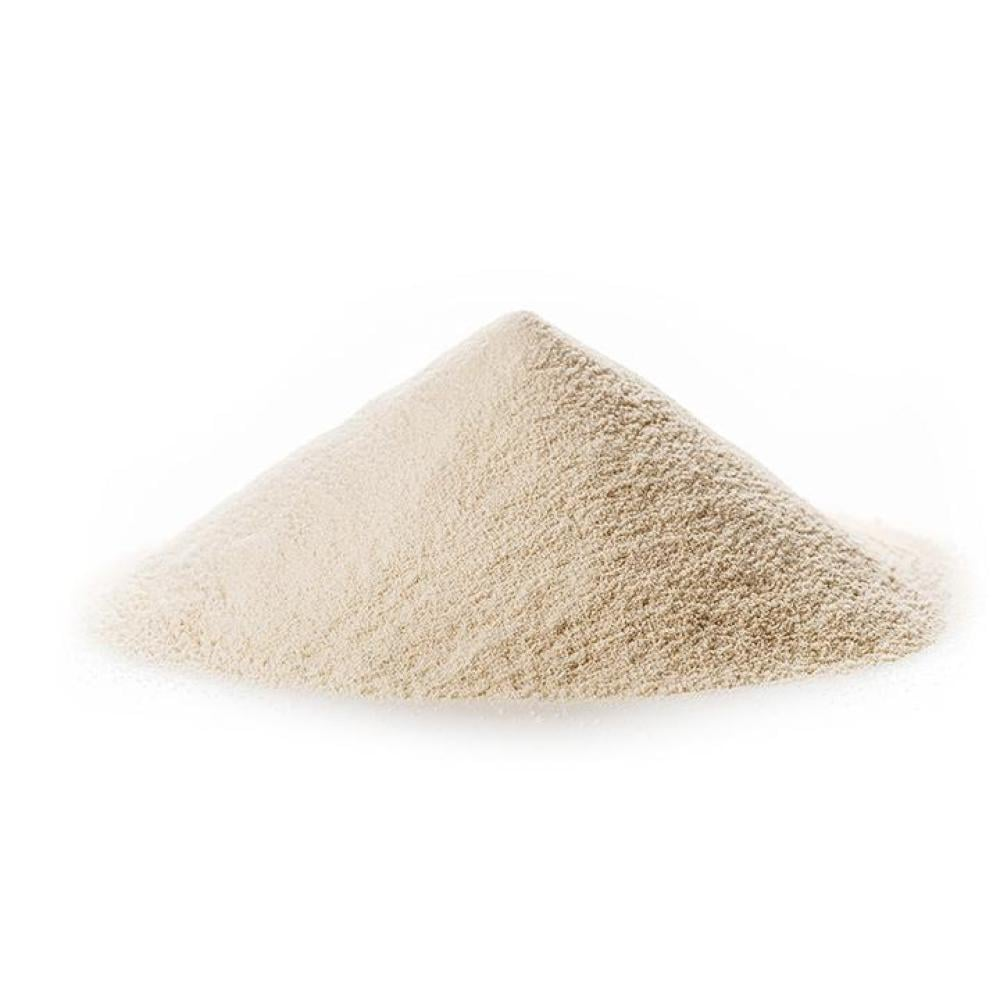
2. Coarse Sand (Ordinary Building Sand)
Properties:
- Made of larger grains compared to fine sand.
- Its color may range from yellow to dark brown.
- It's distinguished by its ability to bear pressure, and it contains a higher percentage of impurities compared to fine sand.
Uses:
- Reinforced concrete: Coarse sand is the best for preparing reinforced concrete that needs high load-bearing capacity, such as building foundations, columns, and load-bearing walls.
- Surfaces exposed to pressure: Used in places subjected to pressure or heavy weight, such as highways, bridges, and the surfaces of large buildings.
- Heavy cement mixes: In work requiring high mechanical strength, such as columns and massive walls.
Impact on construction:
Coarse sand helps boost the strength of concrete and increases its ability to resist erosion and pressure. Using it ensures durability and sustainability in projects that require resistance to high pressures.
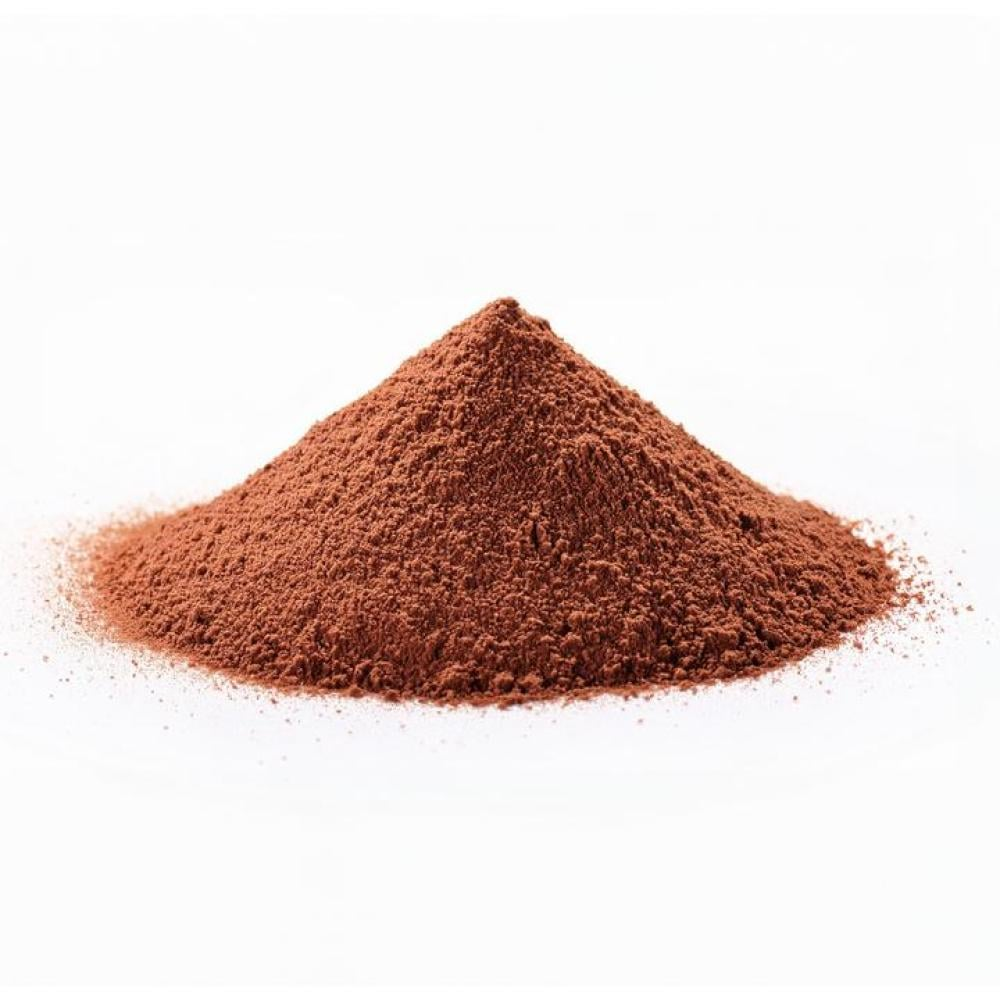
3. Silica Sand (Red Sand or River Sand)
Properties:
- It contains a high percentage of silica (SiO2), which gives it greater strength and endurance.
- It's distinguished by its relatively rounded grains, which helps improve the cohesion of materials when mixed with cement.
- Its color is often yellowish or red.
Uses:
- High-strength concrete: Used in manufacturing high-quality reinforced concrete, especially in projects that require high load-bearing capacity such as towers, bridges, and major structures.
- Glass manufacturing: Silica sand is mainly used in glass manufacturing, given its high silica content, which is the essential element in making glass.
Impact on construction:
Silica sand helps improve the durability and cohesion of concrete, and makes it resistant to environmental effects such as heat and water. It's also one of the ideal materials for projects that require high quality and sustainability.
Choosing red sand from Almabsat is the ideal choice for your projects with complete professionalism! Thanks to its superior composition, fine red sand strengthens foundations and provides long-term stability for buildings, and it resists environmental changes to guarantee a strong, sustainable build. Make your project stand firm with fine red sand from Almabsat.
4. Sea Sand (Marine Sand)
Properties:
- It contains a large percentage of salts and minerals, which makes it harsh and gives it special characteristics.
- It's often light in color and is distinguished by a mix of fine and coarse grains.
Uses:
- Marine concrete: Sea sand is used in building docks, ports, and marine structures, given its tolerance of the chemical reactions that occur in the marine environment.
- Erosion-resistant concrete: Used in places exposed to chemicals and salt water.
Impact on construction:
Although sea sand contains salts that make it more prone to reacting with some chemicals, it's still used in some marine projects, where it plays an important role in improving concrete's ability to resist erosion.
In conclusion, the types of sand used in construction remain the fundamental pillar of any construction project's success. Choosing the right type isn't limited to boosting durability and quality — it reflects a conscious engineering vision that strives for perfection. Whether you're planning to build the home of your dreams or a massive project, understanding the properties of sand and using them optimally is the key to making foundations stronger and buildings last for many years. Always remember that small details make the big difference.
To buy the different types of construction sand:
[[almabsat.com]]
General Disclaimer:
The information provided in this article is intended for general awareness purposes, aimed at helping readers better understand construction materials, procurement processes, and make more informed decisions. While Almabsat takes care in preparing and reviewing this content, every project is unique, and technical specifications, quantities, prices, execution methods, regulations, and manufacturer instructions may vary.
Therefore, this content should not be considered a substitute for engineering, technical, or professional consultation. It is recommended to consult engineers, consultants, and relevant authorities, and to review technical specifications and manufacturer instructions before making any design, execution, or purchasing decisions.
If this article includes any prices or price indicators, they are for guidance purposes only and may vary depending on the city, quantity, brand, purchase date, and market conditions.
If you need assistance with quantity estimation, BOQ review, or obtaining a quotation, the Almabsat team will be happy to assist you.