 Almabsat
 العربية
 English
 中文
中文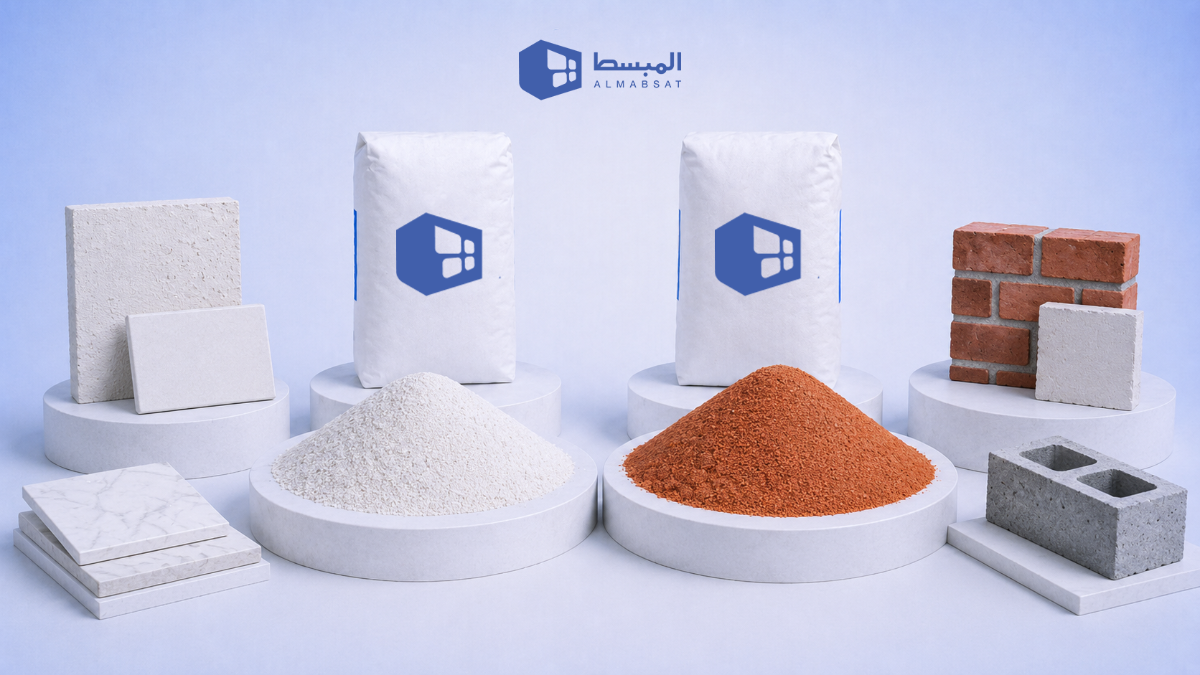
When you dig deeper into the world of building materials, you find that every material carries unique properties that affect the quality of the final work. Raw materials like sand are among the basic components that determine that quality. But have you ever wondered about the difference between white sand and red sand? Although they may look similar at first glance, each type has different properties and uses that directly affect the results of construction projects. Let's explore the difference between the two sands to understand how each one can affect the durability, aesthetics, and overall performance of buildings and concrete.
The difference between white sand and red sand
Sand is one of the basic materials in building and construction, widely used in preparing concrete, exterior facades, decorative work, and other applications. Although white sand and red sand may look similar in general appearance, there are many differences between them that affect what each is suited for across different projects. Here is a detailed look at the difference between white sand and red sand:
1. Chemical composition
- White sand: made up mainly of pure silica (silicon dioxide) at a high percentage, with only a small proportion of other minerals. This composition keeps white sand free of the heavy impurities that can affect concrete quality.
- Red sand: contains a higher amount of iron oxide (which gives it its red color) and other minerals such as clay and organic matter. These elements affect its physical properties, making it denser and heavier than white sand.
2. Color and appearance
- White sand: distinguished by its pure, light color, making it ideal for applications that require a clean, elegant look, such as exterior finishes or decorative work.
- Red sand: comes in a red color due to the presence of iron oxides, and shows up noticeably on surfaces that don't require a precise finish or a clean exterior look.
3. Physical properties
- White sand: its grains have a fine, uniform texture, making it easier to handle in delicate work such as preparing mortar or mixing concrete. This makes it ideal for use on flat surfaces or in places that require precise distribution.
- Red sand: its grains are coarser and denser, making it ideal for working on foundations and concrete structures that require greater strength and hardness. These properties make it less suitable for decorative work or coating.
4. Uses in construction
- White sand: used mainly in finishes, especially in places that require a smooth, attractive surface. It is also used in producing high-quality concrete that needs a glossy, clean appearance, as well as in decorative work.
- Red sand: used in foundations and structural work that require stronger, harder materials. Red sand is an excellent choice for work that requires strong cohesion, such as pouring concrete, where it provides extra durability thanks to the heavy minerals it contains.
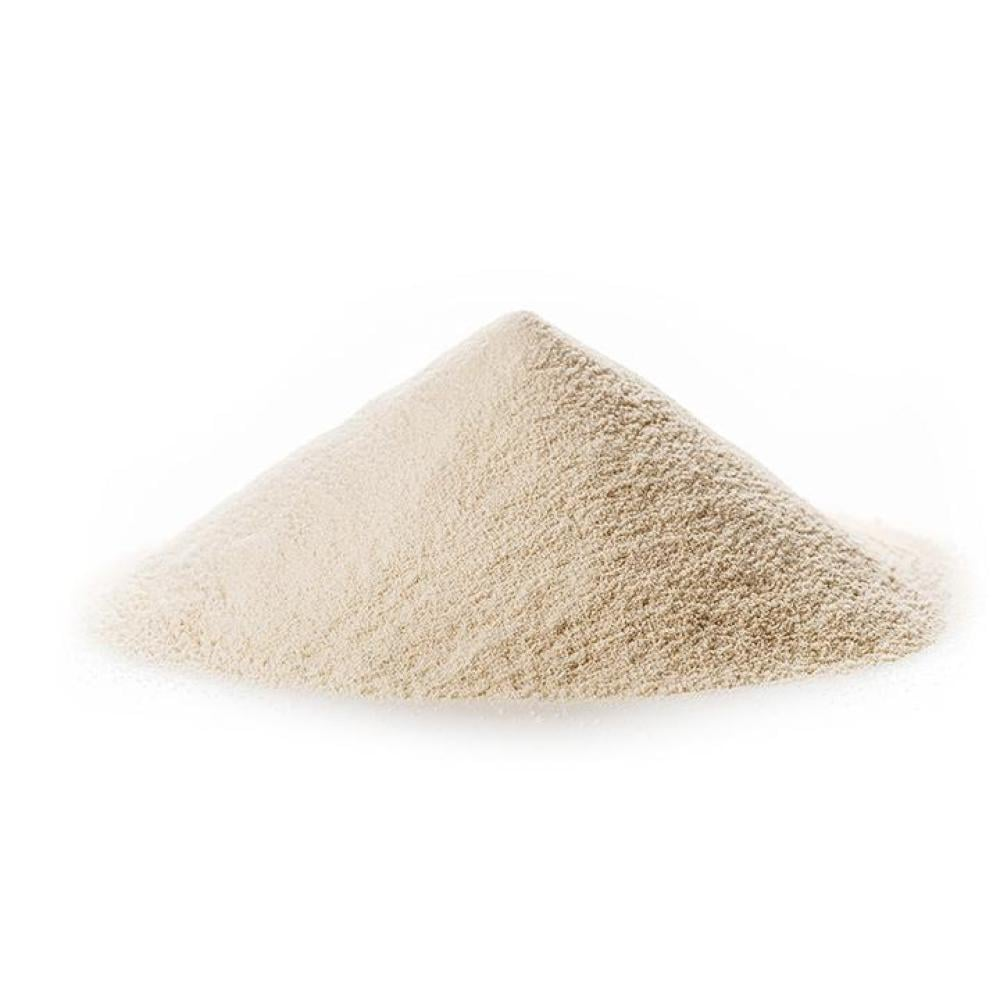
You can buy White Building Sand from Almabsat for all your construction needs. It offers high quality that gives you exceptional strength and long-lasting hardness. Thanks to its purity and fineness, this sand delivers precise, ideal finishing results, ensuring strong builds and smooth, beautiful surfaces across all construction projects, whether residential or commercial. With white building sand, you can guarantee the highest quality standards in every detail of building and finishing, making it the ideal choice for your projects.
5. Impact on concrete durability
- White sand: since it contains no impurities like iron oxide, white sand can help reduce water absorption in concrete, increasing its strength and durability in humid environments.
- Red sand: because red sand contains iron oxide and other minerals, its impact on concrete is stronger and harder in the case of foundations and heavy structures. However, it may absorb more water than white sand.
7. Resistance to environmental factors
- White sand: thanks to its purity, white sand is less prone to being affected by weather and environmental factors such as erosion or chemical effects, making it suitable for work that requires resistance to harsh conditions.
- Red sand: despite its strength, red sand may be affected by environmental factors such as humidity and heat due to its iron oxide content, which can cause its color to change or reduce its resistance over time.
The difference between white sand and red sand depends mainly on the type of project and its needs. If you're working on finishing projects or need concrete with an attractive look and high resistance to environmental factors, white sand will be the most suitable choice. But if you need greater strength and hardness in foundations or concrete structures, red sand will be the better option.
If you're looking for high-quality Red Sand, Almabsat is your ideal destination! Red sand is perfect for backfilling and leveling, strengthening foundations and adding stability to your various projects. Thanks to its outstanding properties in resisting environmental changes, this sand guarantees excellent, long-lasting performance. Get it now from Almabsat.
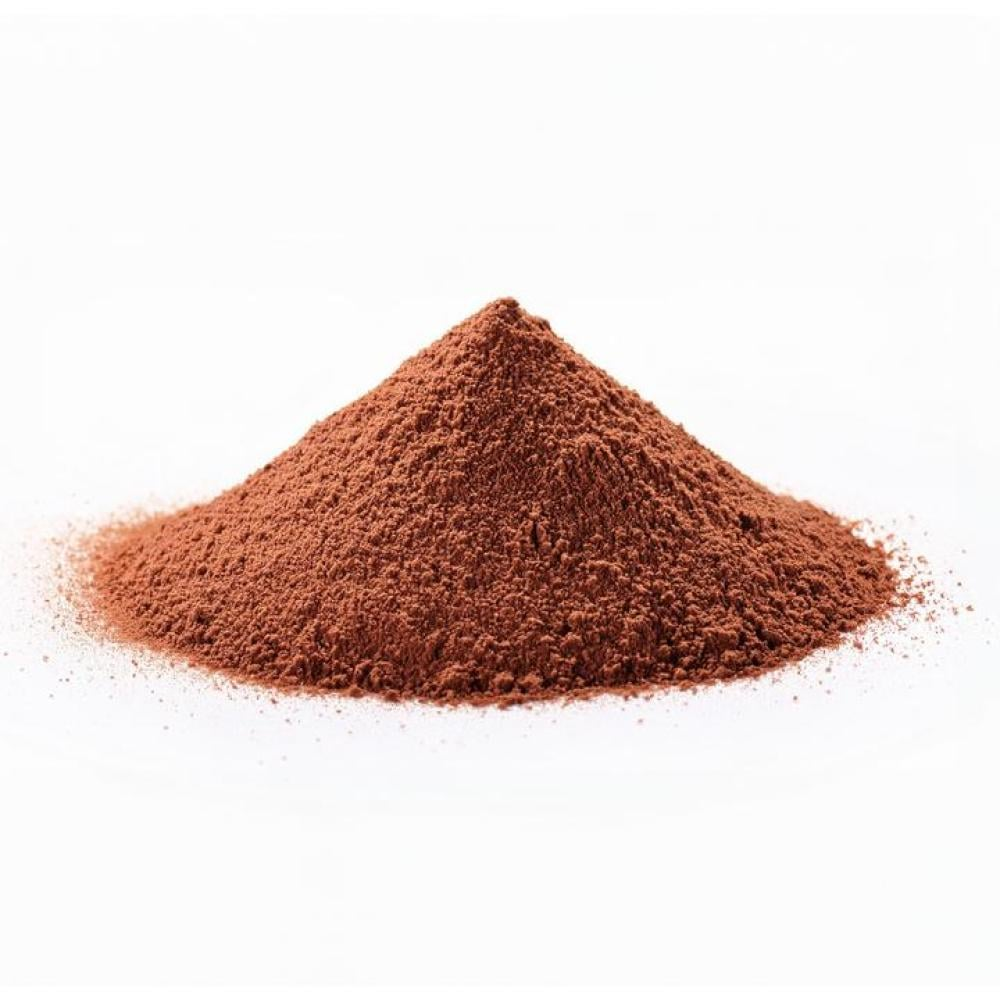
In conclusion, we can see that the difference between white sand and red sand isn't just a difference in color, but extends to the physical and chemical properties that affect the choice of each type across different building projects. While white sand has properties that make it ideal for delicate work such as finishes, red sand stands out for its high durability, making it the most suitable for foundations and concrete. Understanding these differences will therefore help you make the best decision at every stage of construction, ensuring the success and quality of your project.
To buy white sand and red sand:
[[almabsat.com]]
General Disclaimer:
The information provided in this article is intended for general awareness purposes, aimed at helping readers better understand construction materials, procurement processes, and make more informed decisions. While Almabsat takes care in preparing and reviewing this content, every project is unique, and technical specifications, quantities, prices, execution methods, regulations, and manufacturer instructions may vary.
Therefore, this content should not be considered a substitute for engineering, technical, or professional consultation. It is recommended to consult engineers, consultants, and relevant authorities, and to review technical specifications and manufacturer instructions before making any design, execution, or purchasing decisions.
If this article includes any prices or price indicators, they are for guidance purposes only and may vary depending on the city, quantity, brand, purchase date, and market conditions.
If you need assistance with quantity estimation, BOQ review, or obtaining a quotation, the Almabsat team will be happy to assist you.