 Almabsat
 العربية
 English
 中文
中文Standard Concrete Blocks
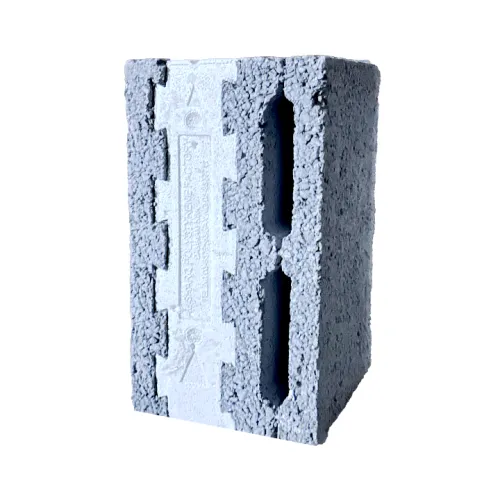
Standard concrete blocks in sizes from 10cm to 30cm. The most widely used blocks in residential and commercial projects. Available in multiple hole patterns.
Usage
Standard blocks are used for building interior and exterior walls, fences, and retaining walls. They are the primary choice in most residential and commercial construction projects in Saudi Arabia due to their cost-effectiveness and durability.
Key Features
- Available in sizes: 10, 15, 20, 25, 30 cm
- Suitable for residential and commercial projects
- Available in multiple hole patterns
- From certified Saudi factories
Available Types
10cm
15cm
20cm
25cm
30cm
Specifications & features
- 10 cm — light interior partitions
- 15 cm — load-bearing interior walls
- 20 cm — exterior and load-bearing walls
- 25 and 30 cm — multi-storey buildings and heavy loads
Main uses
- Exterior walls of residential buildings
- Interior partitions between rooms and offices
- Load-bearing walls in multi-storey buildings
- Ground floors, basements, warehouses and commercial facilities
Frequently Asked Questions
What sizes of standard blocks are available?
Standard blocks are available in 10cm, 15cm, 20cm, 25cm, and 30cm. The 20cm size is most commonly used for exterior walls, while 10cm and 15cm are used for interior partitions.
How many blocks do I need per square meter?
One square meter requires approximately 12.5 blocks in standard size (40×20 cm). We recommend adding 5-10% extra to account for waste during construction.
What is the difference between standard and autoclaved blocks?
Standard blocks are heavier, stronger in load bearing, and cheaper. Autoclaved blocks are lighter and provide better thermal insulation but cost more. The choice depends on project requirements and budget.
What is the difference between 10 cm and 20 cm concrete blocks?
10 cm blocks suit interior partitions and non-load-bearing walls, while 20 cm blocks are used for exterior and load-bearing walls.
Are concrete blocks suitable for hot regions like Riyadh?
Yes — their high thermal mass absorbs and releases heat gradually, easing the load on air conditioning.