 Almabsat
 العربية
 English
 中文
中文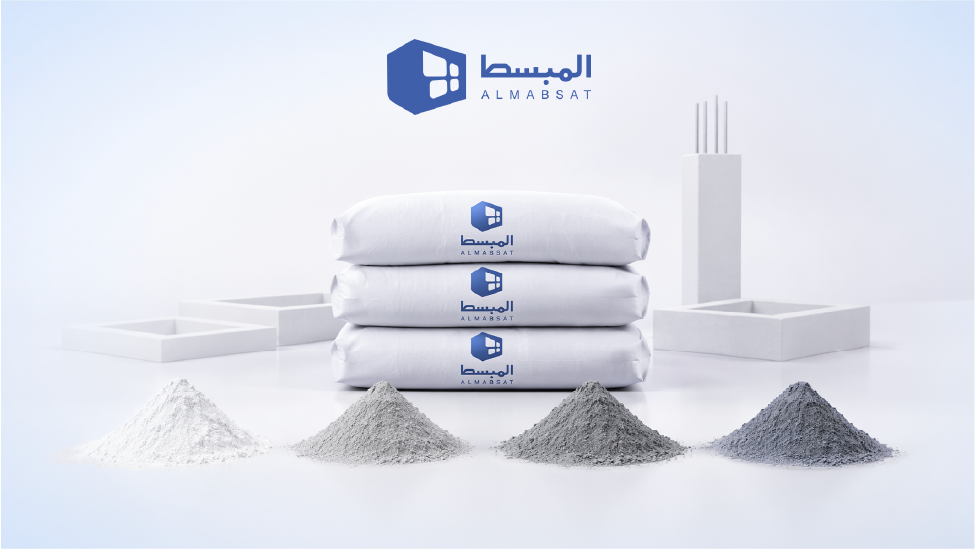
Foundations and columns are among the most important elements a building's stability and strength depend on, which is why choosing the right cement for them is a fundamental step to guarantee execution quality and the structure's ability to carry different loads. Cement types vary in their properties and uses, and in this article we'll look at the best cement types for foundations and columns, along with the key factors that help you choose the right type based on your project's nature and execution requirements, to secure a strong, durable, high-quality structure.
Best Cement Types for Foundations and Columns
Foundations and columns are among the most important elements a building's stability and strength rely on, so it's essential to choose a cement type that delivers durability and the ability to withstand loads and the conditions surrounding the project. The right type depends on the intended use and site conditions — some projects need cement with higher resistance properties, while other types suit conventional construction work.
- Ordinary Portland cement: one of the most widely used cement types in construction, suited to many residential and commercial projects. It's used for columns, concrete elements, and foundations at sites that don't require special resistance to environmental conditions, and it delivers solid strength and durability for general construction work.
- Sulfate-resistant cement: a suitable choice for foundations and concrete elements exposed to soil or water with high sulfate and salt content. Using it in these cases helps reduce the impact of chemical factors and preserves concrete quality for longer.
- Pozzolanic cement: has properties that improve concrete resistance and reduce the impact of certain environmental factors, so it can be used on projects that need higher durability and better performance, especially in conditions that call for extra resistance.
- High-strength cement: used on projects that need to carry heavy loads and higher structural strength, helping meet the strength requirements for critical concrete elements like columns and foundations according to project specifications.
Factors That Determine the Right Cement for Foundations and Columns
Choosing the cement used for foundations and columns requires studying a set of factors that affect the structure's strength and durability, since each project's requirements differ based on the site's nature, use, and operating conditions. Identifying the right cement type helps achieve the best concrete performance and guarantees the building's durability over the long term.
- Soil conditions at the project site: soil is one of the most important factors affecting cement choice. Projects built on ordinary soil may suit conventional types, while sites with salts or sulfates need more resistant types to protect foundations from chemical damage.
- Where the cement is used within the building: foundations have different needs from columns — foundations are more exposed to soil, moisture, and surrounding factors, while columns depend mainly on achieving the strength needed to carry loads and transfer them to the foundations.
- Required loads and load-bearing strength: the cement type is chosen based on the loads the structural elements will carry, since some projects need types that offer higher resistance to meet the building's specific engineering requirements.
- Environmental conditions around the project: factors such as moisture, temperature, and exposure to water or chemicals affect cement choice, since some environments require types with higher resistance to external factors.
- Project type and size: cement requirements differ between small residential projects and commercial buildings or large facilities, so the right type is determined based on the project's nature and required specifications.
- Engineering specifications and approved codes: the cement type used must comply with the project's technical standards and specifications, with the engineer determining the most suitable type according to the structural design and execution conditions.
- Cement quality and supply source: sourcing cement from a reliable supplier affects execution quality, guaranteeing products that meet specification and are fit for use in construction work.
- Project budget: cement is chosen with cost considered alongside quality, striking a balance between the project's requirements and the set budget without affecting the structure's performance.
Tips for Choosing the Right Cement for Residential and Commercial Projects
Choosing the right cement type is a fundamental step to guarantee the quality and strength of residential and commercial projects, since each project's needs differ based on use, site conditions, and execution requirements. Relying on the right type helps improve concrete performance, extend the structure's life, and reduce future problems caused by choosing an unsuitable material.
- Define the project's nature before purchasing: the cement type should be chosen based on the project's nature — whether it's a residential building, commercial building, or a facility with special requirements — since strength and load-bearing requirements differ from one project to another.
- Choose cement according to the required use: cement types vary by work stage, with some types suited to structural work like foundations, columns, and concrete, and others suited to finishing and plastering.
- Account for site and environmental conditions: factors such as moisture, temperature, and soil type affect cement choice, since some sites need types resistant to sulfates or harsh environmental factors.
- Confirm the cement meets required specifications: it's important to choose cement that complies with the project's approved technical specifications and codes, to guarantee the required quality and the safety of structural elements.
- Choose a reliable supplier to guarantee quality: working with a certified supplier helps secure cement in good condition from a trustworthy source, with the right products and required quantities delivered on time.
- Compare properties, not just price: price shouldn't be the only factor when choosing cement — you should compare each type's properties and suitability for the intended use, since choosing the cheapest type can lead to extra costs later.
- Make sure the cement is stored correctly: even with the right type chosen, cement quality must be preserved through proper storage, away from moisture and factors that could affect its performance before use.
- Consult an engineer or specialist: consulting the project's supervising engineer helps determine the most suitable type according to the structural design and the nature of the required work, ensuring the cement is used correctly.
Best Cement Types from Almabsat for Core Construction Stages
Almabsat offers complete cement supply solutions for residential and commercial projects, providing certified products from trusted Saudi factories that meet the needs of contractors and project owners. Almabsat is committed to offering a range of options that help clients pick the right product for each project's requirements, with flexible quantities and a supply service that simplifies purchasing and execution.
Almabsat's services cover a range of cement types used across different construction and building work, meeting project needs at every stage — whether structural work or finishing — ensuring clients get building materials of reliable quality and suitable specifications.
Almabsat also gives contractors and project owners a range of cement products from well-known brands in the Saudi market, including Yamama Cement, Riyadh Cement, Qassim Cement, Madinah Cement, Najran Cement, and Bahraini Cement, giving clients greater flexibility in choosing products that fit their project's requirements.
With direct delivery to project sites, Almabsat makes it easy to get the required cement quantities at the right time, supporting continuity of work and reducing the challenges of material delays during project execution.
Frequently Asked Questions about the Best Cement Types for Foundations and Columns
What is the best cement type to use for foundations and columns?
Choosing the right cement type for foundations and columns depends on the project's nature, site conditions, and required specifications, with the best type determined by factors such as load-bearing strength, soil type, and surrounding environmental conditions.
Does the cement type used for foundations differ from that used for columns?
Cement requirements can differ depending on where it's used — foundations are more exposed to soil, moisture, and external factors, while columns need a type that provides the strength and durability required to carry the building's loads.
Is sulfate-resistant cement suitable for foundations?
Sulfate-resistant cement is a suitable choice for some projects where foundations are exposed to sulfates or salts present in the soil or water, helping increase the concrete's resistance to these conditions.
In closing, we've covered the best cement types for foundations and columns, and the key factors that help you choose the right type based on your project's nature and site conditions. We've also seen the importance of using the right cement to achieve greater structural strength and durability, and to guarantee execution quality and the building's longevity.
You may also like:
- Types of Finishing Cement | Discover the Best Types to Make Your Home More Beautiful
- Uses of Sulfate-Resistant Cement | Build with Confidence in Tough Environments
- The Type of Cement Used in Foundations and in the Roof for Durability and Sustainability
General Disclaimer:
The information provided in this article is intended for general awareness purposes, aimed at helping readers better understand construction materials, procurement processes, and make more informed decisions. While Almabsat takes care in preparing and reviewing this content, every project is unique, and technical specifications, quantities, prices, execution methods, regulations, and manufacturer instructions may vary.
Therefore, this content should not be considered a substitute for engineering, technical, or professional consultation. It is recommended to consult engineers, consultants, and relevant authorities, and to review technical specifications and manufacturer instructions before making any design, execution, or purchasing decisions.
If this article includes any prices or price indicators, they are for guidance purposes only and may vary depending on the city, quantity, brand, purchase date, and market conditions.
If you need assistance with quantity estimation, BOQ review, or obtaining a quotation, the Almabsat team will be happy to assist you.