 Almabsat
 العربية
 English
 中文
中文
Cement is one of the most important building materials used across residential, commercial, and industrial projects, yet many project owners and contractors still wonder about the differences between the cement types available in Saudi Arabia and which one best suits their construction work. Cement types vary in their properties and uses, with each one engineered to meet specific requirements around strength, resistance to environmental factors, and the nature of the project — which makes understanding these differences essential for making the right decision and achieving the best construction results.
Differences Between Cement Types Available in Saudi Arabia
The cement types available in Saudi Arabia differ in their properties and uses, with each one designed to suit specific construction requirements. Choosing the right type helps achieve higher quality and better performance depending on the project's nature and operating conditions. Here's a look at the differences between the cement types available in Saudi Arabia:
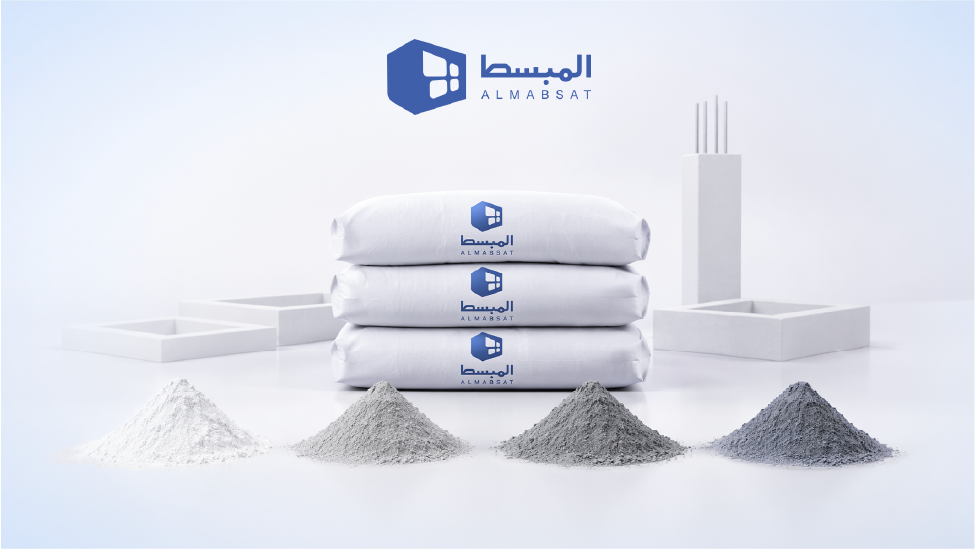
- Ordinary Portland cement: the most widely used type in general construction, concrete, and foundation work, known for its versatility across residential and commercial projects.
- Sulfate-resistant cement: stands out for its ability to withstand environments with high sulfate levels, which is why it's used in coastal areas and some projects exposed to moisture and specific soil conditions.
- White cement: differs from other types in its white color and aesthetic uses, going into finishing, decoration, and architectural facade work.
- Finishing cement: used for plastering and final finishing work, helping achieve smoother surfaces and higher-quality execution.
- Cement for specialized applications: dedicated types exist for certain special uses, such as wells or projects that require specific technical specifications different from conventional construction work.
Factors That Determine the Right Cement Type
Choosing the right cement type depends on a set of technical and structural factors that vary according to each project's nature — there's no single type that suits every use. Choosing correctly helps achieve the required strength, raises the building's efficiency, and guarantees execution quality over the long term.
- Project type: cement needs differ between residential, commercial, industrial, and infrastructure projects, with each project type requiring specifications suited to its intended use and construction requirements.
- Purpose of use: the cement type is determined based on where it's used in the project — whether for concrete and foundation work, plastering and finishing, or aesthetic and decorative applications.
- Environmental conditions around the project: factors like moisture, temperature, and the surrounding environment affect cement choice, since some projects need types with higher resistance to sulfates and external factors.
- Soil nature and composition: in some areas where the soil contains high salt or sulfate levels, cement types engineered to withstand these conditions and preserve structural durability are chosen.
- Required strength and load-bearing level: strength requirements differ from project to project depending on loads and the building's nature, so the cement chosen should provide the durability level suited to the intended use.
- Required execution timeframe: some projects need cement types that help reach the required strength within a suitable timeframe, especially projects that require speed of completion.
- Finishing and insulation requirements: the cement types used vary depending on the desired finishing results, with some types such as white cement or finishing cement relied on for work that needs an aesthetic look and a higher-quality surface.
- Project budget: cement cost affects the choice, as the required type's specifications are weighed against its cost to achieve the best value that fits the project's needs.
- Technical specifications and approved codes: the cement type should be chosen to comply with the project's engineering specifications and approved codes, to guarantee quality and safety standards in execution.
The Importance of Choosing the Right Cement for Construction Projects
Choosing the right cement is one of the core factors that affects the quality and durability of construction projects, since the right type contributes to achieving the required performance for concrete and various construction work. Choosing correctly also helps extend the structure's lifespan and reduce problems caused by using a type unsuited to the project's nature or site conditions.
- Achieving greater building strength and durability: choosing the right cement type helps improve concrete's resistance and its ability to carry different loads, contributing to stronger, more sustainable structures.
- Extending the structure's lifespan: using cement suited to the project's conditions reduces the impact of external factors, helping preserve the building's quality for longer.
- Resisting different environmental conditions: some projects need cement types known for resisting moisture, sulfates, or weather factors, protecting the structure from early damage.
- Improving concrete quality and construction work: the cement type used affects concrete's properties and ease of execution, helping achieve better results across different construction stages.
- Reducing future maintenance costs: choosing the right cement from the start of the project reduces the likelihood of structural problems or damage that would need costly repairs later.
- Achieving better alignment with project requirements: project needs differ depending on use, so choosing the right cement helps meet the required specifications for either structural work or finishing.
- Improving project execution efficiency: using the right cement type helps work teams execute tasks more efficiently and reduces challenges that could arise during construction stages.
Best Cement Types for Residential and Commercial Projects from Almabsat
Almabsat offers a wide range of certified cement types suited to the different construction stages of residential projects, sourcing products from well-known Saudi factories to guarantee quality and reliability. This range helps project owners and contractors choose the right type based on the nature of the work and execution requirements.
Available options include ordinary Portland cement, used in most construction and concrete work, alongside finishing cement dedicated to plastering and final finishing work that needs smooth, even surfaces, as well as white cement used in decoration and aesthetic finishing that requires a more elegant, distinctive look.
For projects that require special specifications, Almabsat supplies sulfate-resistant cement, known for its ability to withstand certain harsh environmental conditions, along with the ability to provide other specialized cement types depending on project needs and market availability.
Almabsat's range includes some of the most popular cement products in the Kingdom, such as Yamama Cement, Riyadh Cement, Qassim Cement, Madinah Cement, Najran Cement, and Bahraini Cement, giving clients multiple options suited to different construction uses.
Through flexible supply services, Almabsat makes it easy for contractors and project owners to get the required cement quantities at the right time, supporting workflow and helping execute projects more efficiently.
Frequently Asked Questions about the Differences Between Cement Types Available in Saudi Arabia
When is sulfate-resistant cement used?
Sulfate-resistant cement is used in projects exposed to special environmental conditions, such as areas where the soil or water has high sulfate levels, thanks to its ability to withstand these factors.
What's the difference between white cement and ordinary cement?
White cement differs from ordinary cement in color and use — it's used more in decoration, finishing, and facade work that needs an aesthetic look, while ordinary cement is widely used in structural work.
What cement type suits finishing work?
Finishing cement is used in some plastering and final finishing work, helping achieve a smoother, higher-quality surface based on the work's requirements.
In closing, we've covered the differences between the cement types available in Saudi Arabia and the key distinctions between each type in terms of uses, properties, and application areas. We've also explained the factors that help you choose the right type based on your project's nature and requirements, contributing to better quality and more efficient performance across different construction work.
You may also like:
- What Is Refractory Cement? Types, Properties and Uses
- What Is the Difference Between Sulphate-Resisting and Ordinary Cement and Which Is Best for Projects
- White vs Grey Cement | Benefits and Uses
General Disclaimer:
The information provided in this article is intended for general awareness purposes, aimed at helping readers better understand construction materials, procurement processes, and make more informed decisions. While Almabsat takes care in preparing and reviewing this content, every project is unique, and technical specifications, quantities, prices, execution methods, regulations, and manufacturer instructions may vary.
Therefore, this content should not be considered a substitute for engineering, technical, or professional consultation. It is recommended to consult engineers, consultants, and relevant authorities, and to review technical specifications and manufacturer instructions before making any design, execution, or purchasing decisions.
If this article includes any prices or price indicators, they are for guidance purposes only and may vary depending on the city, quantity, brand, purchase date, and market conditions.
If you need assistance with quantity estimation, BOQ review, or obtaining a quotation, the Almabsat team will be happy to assist you.