 Almabsat
 العربية
 English
 中文
中文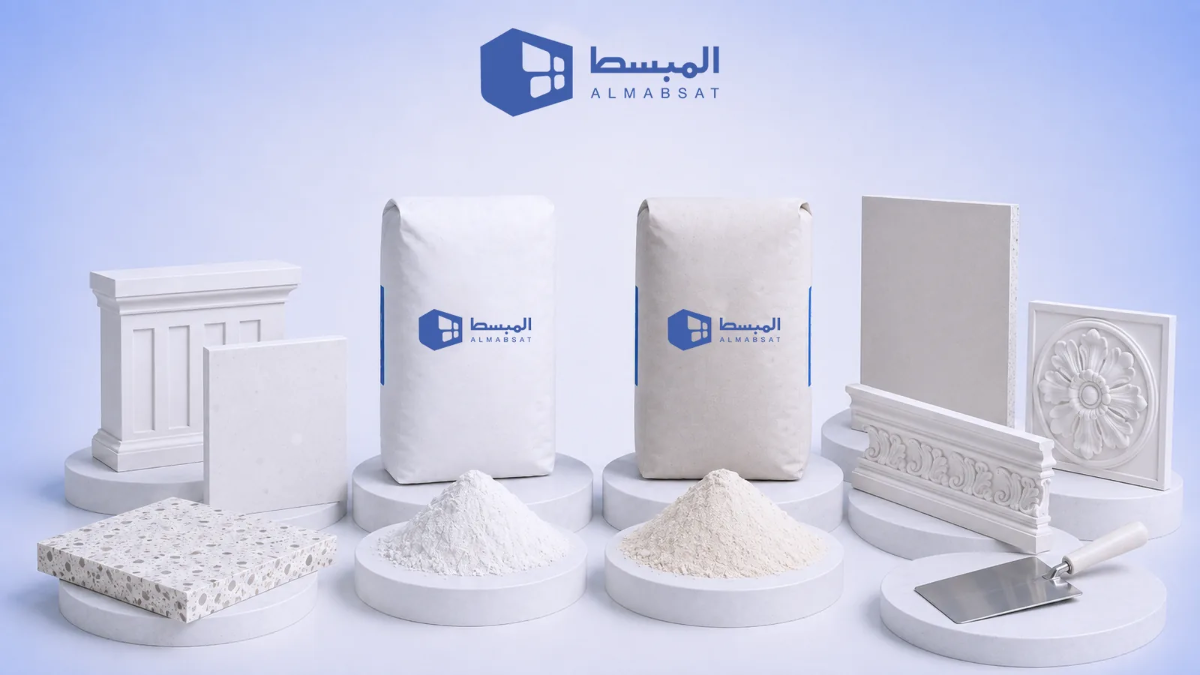
Have you ever wondered about the difference between white cement and gypsum? Although both are used in building and finishing work, each has its own properties and uses that set them apart. In construction, choosing the right materials is a decisive step toward the best results. White cement is a strong material that helps build essential structures, while gypsum is mainly used for decoration and finishing because of its unique properties and ease of shaping. Let's get to know the core differences between them — and what makes each one ideal for different areas of building and design.
The difference between white cement and gypsum
White cement and gypsum are both essential materials used in building and finishing, but they differ significantly in properties, uses, and applications. To understand the difference clearly, we'll go through each material on its own — its advantages and its uses in construction.
1. White cement
White cement is a type of ordinary cement that contains very low percentages of coloring materials like iron oxides, which gives it its distinctive white color. It's mainly used in heavy structural work and in building the main frames of buildings.
White cement advantages:
- Strength and durability: white cement has high bonding strength, making it ideal for concrete and heavy structures. It can carry weights and pressures.
- Erosion resistance: high resistance to erosion and harsh weather conditions like moisture and heat.
- Aesthetic color: thanks to its white color, white cement is commonly used in finishes that need a premium look — like floors and entrances.
Uses of white cement:
- Structural building: goes into reinforced concrete and is used for building walls, ceilings, and columns.
- Premium finishes: used in floors, facades, and producing certain types of durable tile.
- Aesthetic concrete: used in premium architectural concrete that needs a pure white tone reflecting light well.
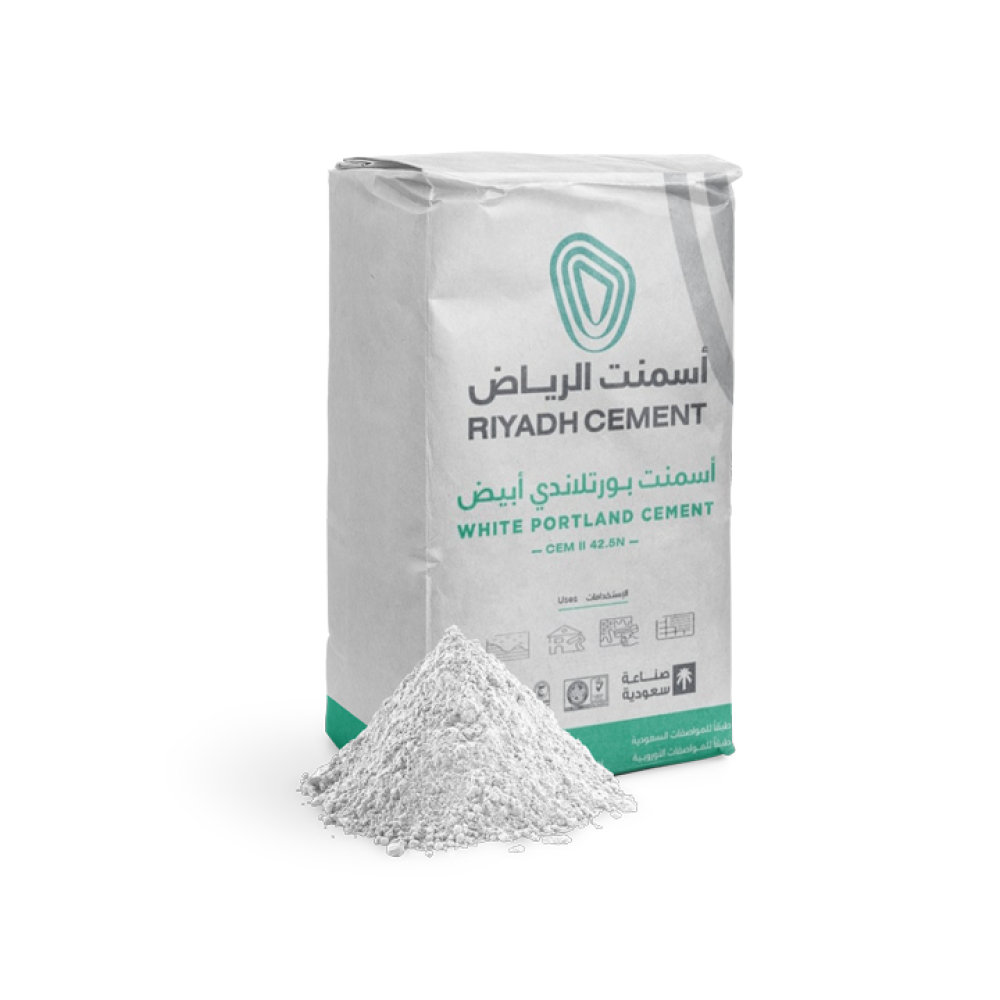
Get Riyadh Cement — White from Almabsat and enjoy unmatched quality in every construction project. This high-strength cement is used in a wide range of applications: ready-mix concrete delivering strength and rigidity, bases and foundations ensuring buildings stay stable for years, concrete pipes that handle high pressure, high-quality precast structures, and the production of bricks and tiles that add exceptional aesthetic value while boosting durability.
2. Gypsum
Gypsum is a natural material extracted from gypsum rocks and is mainly used in the interior finishing of buildings. It's made of hydrated calcium sulfate and has high shaping ability, making it ideal for interior decoration.
Gypsum advantages:
- Flexibility and ease of shaping: gypsum is highly flexible, allowing it to be shaped into many different forms like decorations, suspended ceilings, and fine architectural details.
- Thermal and acoustic insulation: gypsum provides good thermal and acoustic insulation, making it a preferred choice for spaces that need noise reduction and temperature control.
- Light weight: gypsum is lightweight compared to cement, making it easier to use in interior finishing.
Uses of gypsum:
- Interior finishes: used in suspended ceilings, walls, decorative elements, and complex architectural forms.
- Decorative designs: used to add aesthetic details on walls — like gypsum moldings.
- Insulation and coverage: also used as an insulating layer against heat and sound in buildings.
The difference between white cement and gypsum:
- Composition and components:
- White cement: made mainly from calcium carbonate and silica with a small amount of iron oxides.
- Gypsum: made from hydrated calcium sulfate and contains materials like water and magnesium.
- Physical properties:
- White cement: high hardness and good load-bearing in weather changes and chemical reactions.
- Gypsum: more flexible and less hard than cement, making it suitable for decorative shapes.
- Resistance:
- White cement: high resistance to weather like heat, moisture, and pressure.
- Gypsum: doesn't handle moisture well and can be easily affected by weather, so it's used in indoor spaces only.
- Uses:
- White cement: mainly used in heavy structural work and producing reinforced concrete.
- Gypsum: used in interior finishes and designing aesthetic decorations like suspended ceilings and decorative walls.
- Color:
- White cement: has a pure white color that adds aesthetic value.
- Gypsum: usually comes in white but can take on other colors depending on additives or compositions.
When should you choose white cement?
White cement is preferred for projects that need strength and hardness — like building foundations, columns, and reinforced walls. It's also an ideal choice for architectural concrete that needs a bright, elegant aesthetic appearance.
When should you choose gypsum?
Gypsum is the ideal choice for interior finishes and decorative elements. It lets you achieve shaping and fine details that are hard to achieve with white cement. It also helps with sound and heat insulation, making it suitable for interior ceilings and walls.
The difference between white cement and gypsum lies in the properties of each and their uses in construction. White cement stands out in strength and durability for structural building, while gypsum is mainly used in interior finishes and decoration. Choosing the ideal material depends on the project type and goal.
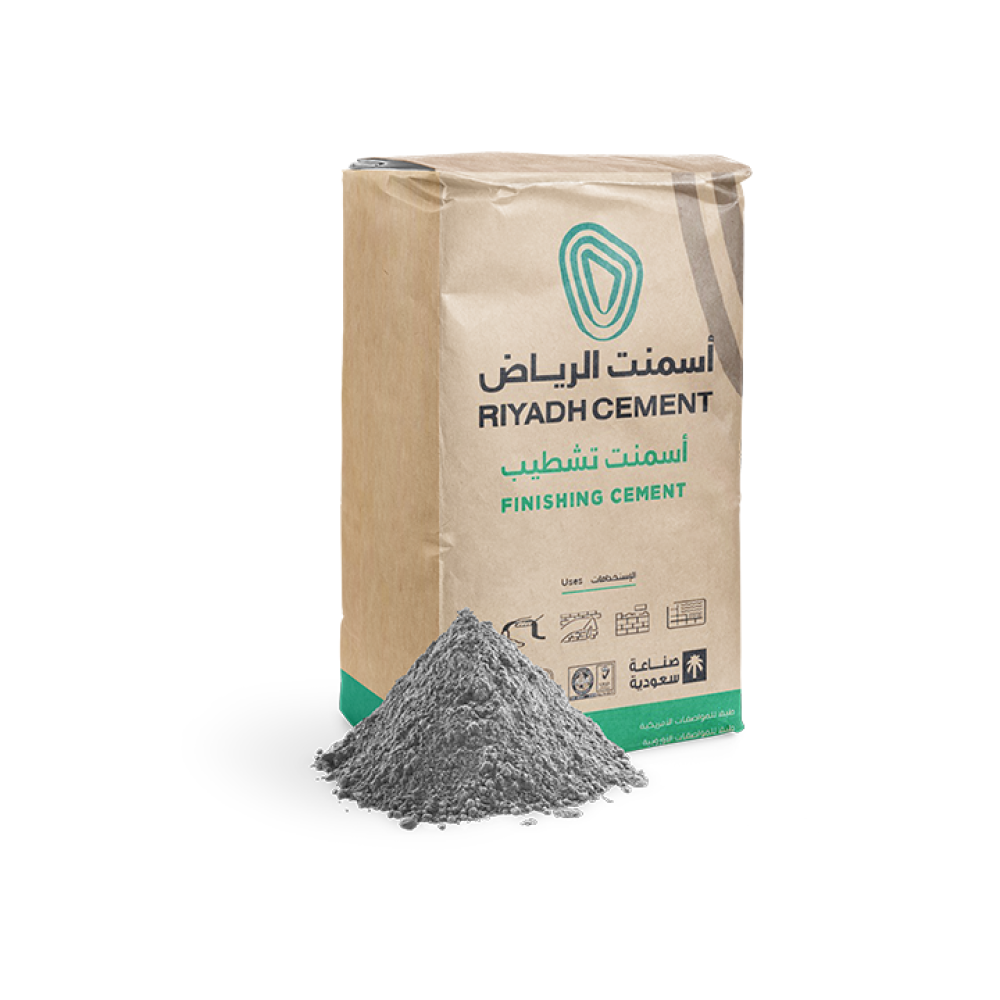
Choose Riyadh Cement — Finishing from Almabsat to get smooth, polished surfaces in your finishing work. This cement is the ideal choice for precise leveling before tiling — ensuring strong cohesion and longer surface life. It's also effective in preparing cement mortar that delivers durable, strong building layers, making it indispensable for projects requiring precision and high quality.
To buy different types of cement:
[[almabsat.com]]
General Disclaimer:
The information provided in this article is intended for general awareness purposes, aimed at helping readers better understand construction materials, procurement processes, and make more informed decisions. While Almabsat takes care in preparing and reviewing this content, every project is unique, and technical specifications, quantities, prices, execution methods, regulations, and manufacturer instructions may vary.
Therefore, this content should not be considered a substitute for engineering, technical, or professional consultation. It is recommended to consult engineers, consultants, and relevant authorities, and to review technical specifications and manufacturer instructions before making any design, execution, or purchasing decisions.
If this article includes any prices or price indicators, they are for guidance purposes only and may vary depending on the city, quantity, brand, purchase date, and market conditions.
If you need assistance with quantity estimation, BOQ review, or obtaining a quotation, the Almabsat team will be happy to assist you.