 Almabsat
 العربية
 English
 中文
中文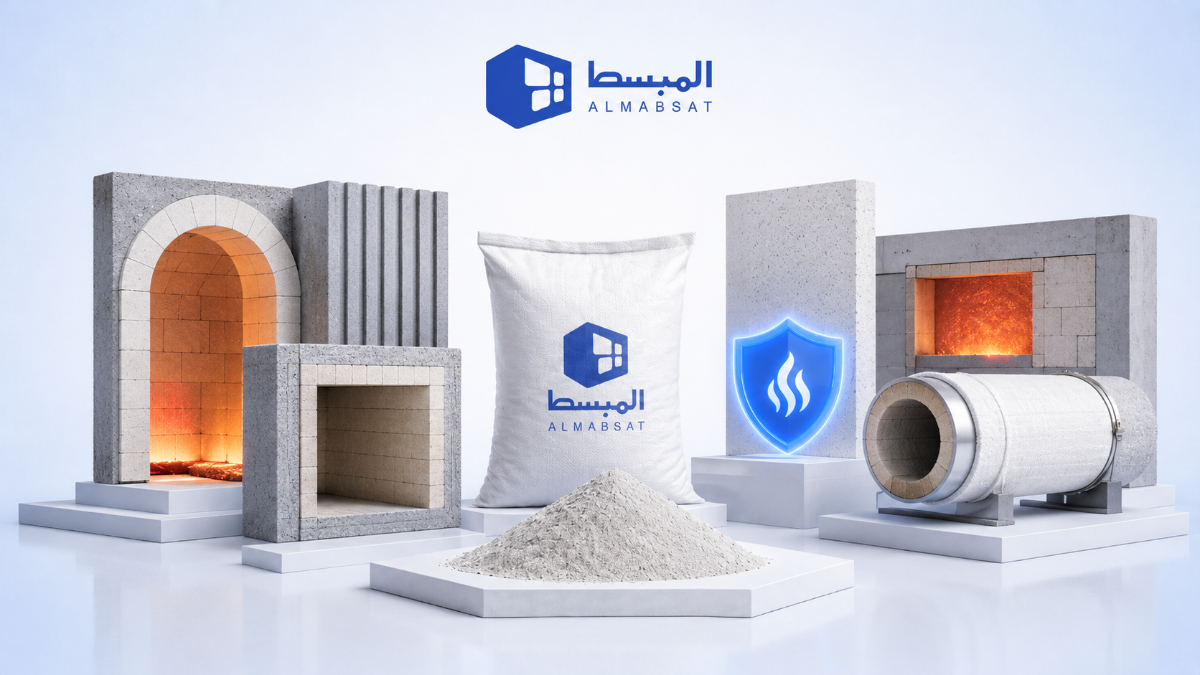
Have you ever wondered what protects industrial structures from extreme heat? Refractory cement is an advanced material with an exceptional ability to withstand very high temperatures without losing its strength — the go-to solution for harsh, high-heat environments. It is widely used in heavy industry, most notably in building furnaces and chimneys, where it adds both safety and efficiency. Let's take a closer look at the material that underpins heat-resistant construction.
What is refractory cement?
Refractory cement is a special type of cement engineered to endure elevated temperatures without losing its strength or physical properties. Its unique composition resists severe thermal stress, which makes it the ideal choice for applications exposed to high heat, such as furnaces and chimneys.
Put simply, it is a specialised building material designed to keep structures stable in environments subjected to intense heat — indispensable across many critical industries.
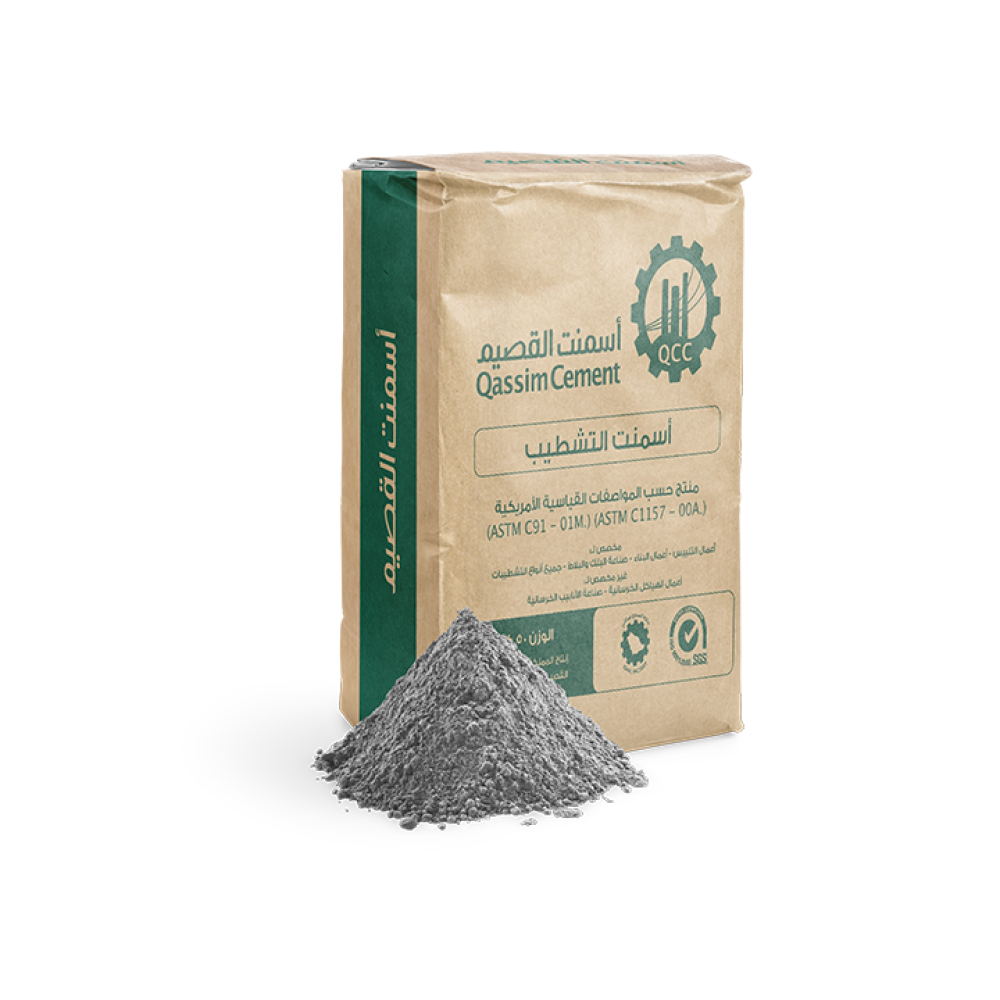
Qassim cement from Almabsat is a proven choice for general construction, delivering strength and durability across every project — from foundations to beams, columns and heavy structural pours.
 Browse Building Materials
1. What refractory cement is made of
- Heat-resistant minerals: a high content of minerals such as aluminium oxide and silicon oxide reinforces its resistance to heat.
- Low iron oxide content: iron oxide reacts under heat and undermines stability, so it must be kept to a minimum.
- Additives: materials such as sand and carbonates are often added to improve resistance to thermal expansion and contraction.
2. How refractory cement is manufactured
- Grinding: the raw materials are finely ground into powder.
- Firing: the mix is processed in special kilns at temperatures up to 1,500°C to form clinker.
- Final grinding: the clinker is ground finely with gypsum added to control setting time, making the cement ready for use.
3. Properties of refractory cement
- High temperature tolerance: withstands up to about 1,600°C, suiting furnaces and heat-intensive industries.
- Resistance to expansion and contraction: its composition keeps it dimensionally stable through temperature swings.
- Chemical resistance: it withstands the chemical effects that accompany very high temperatures.
4. Uses of refractory cement
- Furnace construction: industrial furnaces operating at high temperatures — steel furnaces, cement kilns and bakery ovens.
- Chimneys and fireplaces: structures exposed to intense heat from fuel combustion.
- Heat-resistant piping: concrete pipes exposed to high temperatures, such as factory heating lines.
- Heat-resistant concrete: concrete for structures in hot environments such as power plants and metal-processing facilities.
5. Advantages
- Safety: protects structures from the damaging effects of extreme heat.
- Longevity: long-term protection for industrial facilities, reducing repeat maintenance.
- Economy: in many cases its long service life in harsh environments makes it more economical than the alternatives.
6. Challenges to consider
- Higher price: the specialised components make it costlier than ordinary cement.
- Storage: it must be stored in dry conditions, as its components are moisture-sensitive.
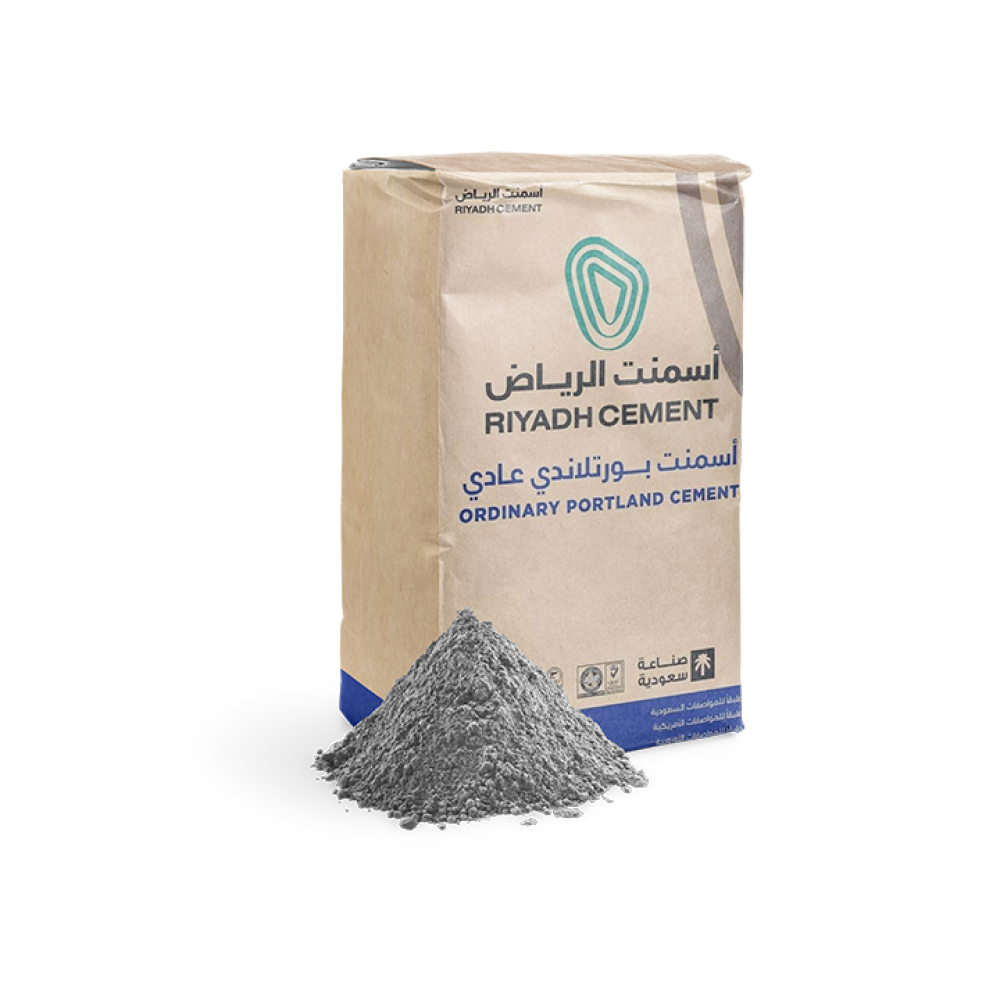
If you are after dependable strength for general construction, ordinary Riyadh cement from Almabsat is an excellent choice — high quality and consistent results for confident building.
 Browse Building Materials
So, what is refractory cement? An advanced building material purpose-designed for industries exposed to high heat. Thanks to its exceptional temperature tolerance and thermal stability, it is the material of choice for many industrial applications — from furnace construction to concrete structures in industrial plants.
In short, refractory cement is not just another building material: it is a powerful innovation that protects structures from the damaging effects of extreme heat. For projects that demand heat resistance — furnaces, fireplaces and chimneys — choosing it means long-term durability and safety.
General Disclaimer:
The information provided in this article is intended for general awareness purposes, aimed at helping readers better understand construction materials, procurement processes, and make more informed decisions. While Almabsat takes care in preparing and reviewing this content, every project is unique, and technical specifications, quantities, prices, execution methods, regulations, and manufacturer instructions may vary.
Therefore, this content should not be considered a substitute for engineering, technical, or professional consultation. It is recommended to consult engineers, consultants, and relevant authorities, and to review technical specifications and manufacturer instructions before making any design, execution, or purchasing decisions.
If this article includes any prices or price indicators, they are for guidance purposes only and may vary depending on the city, quantity, brand, purchase date, and market conditions.
If you need assistance with quantity estimation, BOQ review, or obtaining a quotation, the Almabsat team will be happy to assist you.