 Almabsat
 العربية
 English
 中文
中文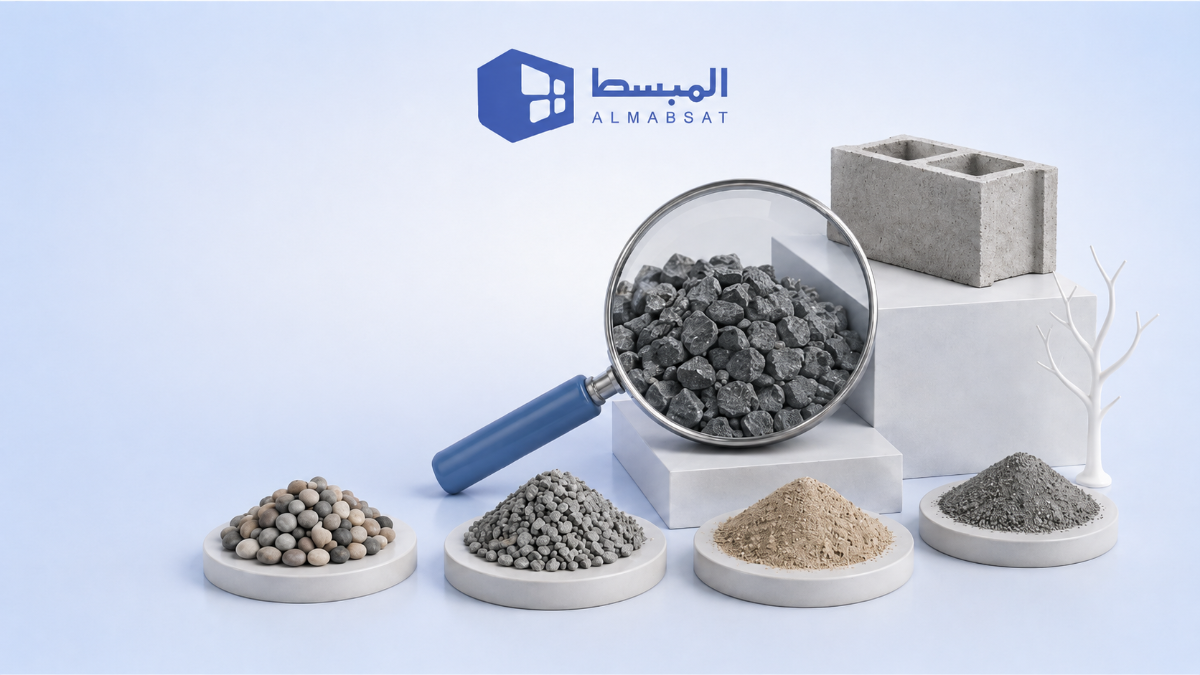
Have you ever wondered what gravel is and what it's used for? Gravel is one of those essential materials known for its hardness and durability. It's made up of small pieces of rock used across many fields — in construction, where it goes into concrete mixes, and in roads, where it adds toughness and strength. It's a basic part of our daily lives that we rarely notice. Let's explore the properties of gravel together, and where and how it's used practically across different industries.
What is gravel, what is it used for, and why does it matter in construction?
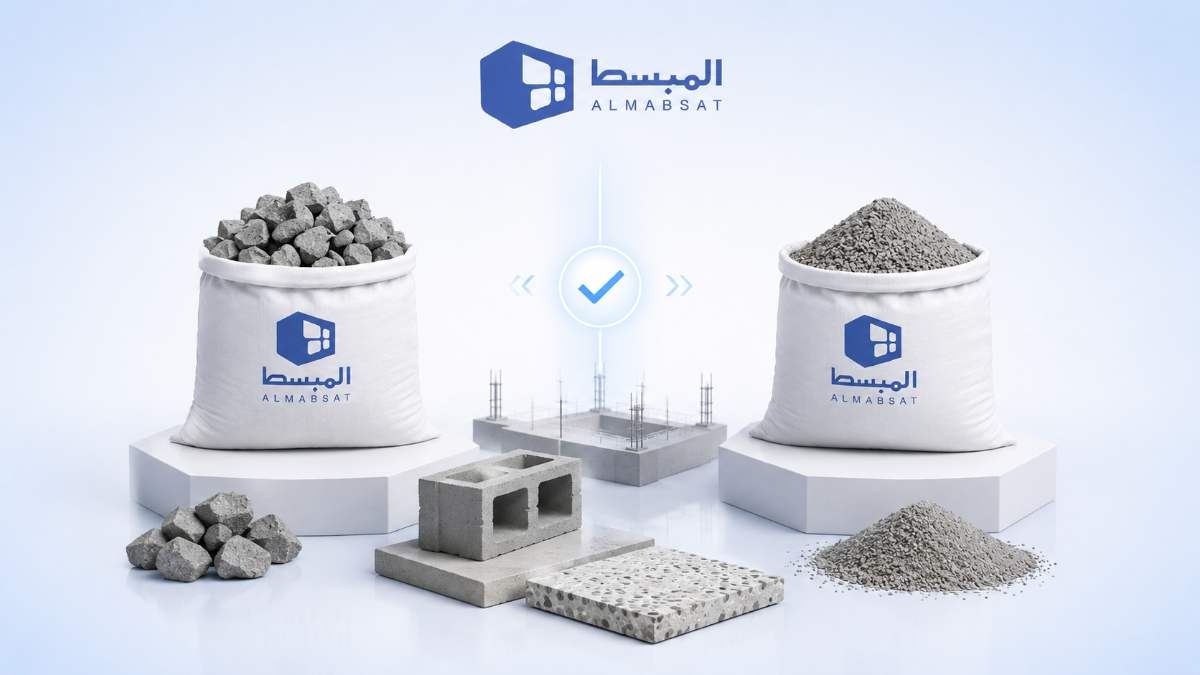
Gravel is small pieces of rock extracted from quarries. Known for its hardness and strength, it's an ideal material for many industrial and construction applications. Gravel forms from different types of rock, such as limestone and granite, and comes in a range of sizes — from fine particles to larger pieces. It's extracted using special machinery at quarries, where the rock is crushed down to smaller sizes, then stored and prepared to meet industry needs.
You can learn more about gravel by getting the ideal Zero Gravel from Almabsat — the best choice for precise concrete! With its unique composition, it boosts cohesion, reduces voids, and gives you professional finishes with lasting durability. Don't compromise on quality — make the foundation of your projects stronger with Zero Gravel from Almabsat.
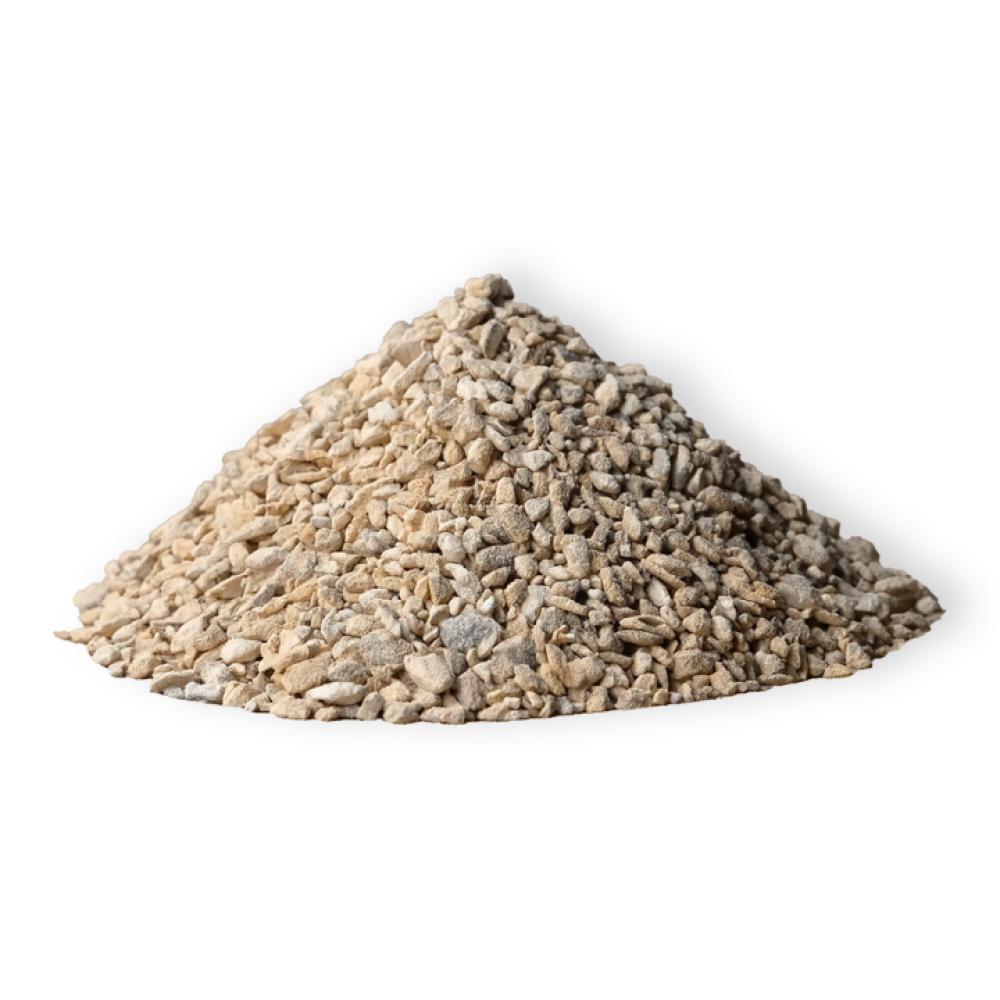
Uses of gravel in everyday life
Gravel — also known as crushed stone or aggregate — is one of the essential materials that plays a vital role in our daily lives, even though we may not always notice it. This small rocky material, which looks simple at first glance, forms the backbone of many structures and services we rely on every day. From the roads we walk on to the buildings we live and work in, gravel is all around us. Below, we'll review the uses of gravel in everyday life and how it helps shape our modern world.
1. Making concrete
- Main use: Gravel is one of the main components in making concrete, accounting for roughly 60% to 75% of the concrete's volume.
- Everyday applications: All the buildings we live and work in — from houses to skyscrapers — rely on concrete that contains gravel. Even sidewalks and concrete floors on streets and walkways are made using gravel.
- Why gravel? Gravel gives concrete its strength and durability, making it able to bear heavy loads and weather conditions.
2. Building roads and bridges
- The base layer: Gravel is used in the base layer of roads, where it acts as a supporting layer that provides stability and strength to the road.
- Asphalt: Gravel is mixed with asphalt to create the final road surface. This mix makes roads resistant to wear and able to handle heavy traffic.
- Bridges: Concrete containing gravel is used in building bridges, making them strong enough to bear the weight of vehicles and harsh weather conditions.
3. Infrastructure works
- Sewerage: Gravel is used in sewerage systems, where it acts as a filtration layer that helps drain water effectively.
- Building foundations: Gravel is used in the foundation layers of buildings, where it distributes loads evenly and provides stability to the structure.
- Railways: Gravel is used as a supporting layer for railway tracks, providing stability and preventing the rails from shifting.
4. Landscaping and gardens
- Garden decoration: Gravel is used to decorate gardens and walkways, giving an aesthetic, natural look.
- Pathways: Gravel is used to create paths in gardens and parks, providing a solid, easy-to-walk surface.
- Fountains and ponds: Gravel is used in building fountains and water ponds, giving a natural look and helping with water drainage.
5. Thermal and acoustic insulation
- Lightweight concrete: Lightweight gravel is used in making lightweight concrete, which is used for thermal and acoustic insulation in buildings.
- Walls and ceilings: Lightweight concrete is used in building walls and ceilings, helping reduce energy consumption and improve building efficiency.
6. Filtration works
- Water filtration: Gravel is used in water filtration systems, where it acts as a filtration layer to remove impurities and suspended matter.
- Wastewater treatment: Gravel is used in wastewater treatment plants, where it helps filter water before it's released into the environment.
7. Leveling and stabilization works
- Leveling floors: Gravel is used to level floors before pouring concrete, providing a level, strong surface.
- Soil stabilization: Gravel is used to stabilize soil in sloped or unstable areas, preventing slides and collapses.
8. Exterior decoration
- Stone facades: Gravel is used to decorate the exterior facades of buildings, giving a natural, attractive look.
- Entrances and walkways: Gravel is used to decorate building entrances and walkways, providing a surface that is both slip-resistant and beautiful.
9. Maintenance and repair works
- Road repair: Gravel is used to repair damaged roads, filling potholes and re-leveling the surface.
- Building restoration: Gravel is used in building restoration works, reinforcing damaged structures and returning them to their original condition.
10. Agriculture
- Improving soil: Gravel is used to improve soil quality, increasing aeration and water drainage.
- Decorating planters: Gravel is used to decorate planters, giving an aesthetic look and helping retain soil moisture.
11. Recreation
- Golf courses: Gravel is used in building golf courses, providing a solid, level surface.
- Sports tracks: Gravel is used to create sports tracks in parks and gardens, providing a safe, easy-to-walk surface.
12. Safety works
- Slip resistance: Gravel is used to create slip-resistant surfaces, such as walkways and outdoor stairs.
- Protective barriers: Gravel is used in building protective barriers along roads, providing extra protection for drivers.
Now that we know what gravel is and what it's used for, it's clear it's a versatile material that plays a vital role in our daily lives. From the buildings we live in to the roads we walk on, from the gardens we enjoy to the sewerage systems that keep our environment clean, gravel is all around us. It's not just a building material — it's an integral part of the infrastructure that makes our lives more comfortable and safer.
Explore 3/4 Gravel from Almabsat — strength and durability for your construction projects! With its ideal composition, it reinforces foundations and bridges and raises load capacity, ensuring a solid, sustainable build to stand the test of time. Choose the quality that makes a difference, and start your project with confidence with Almabsat!
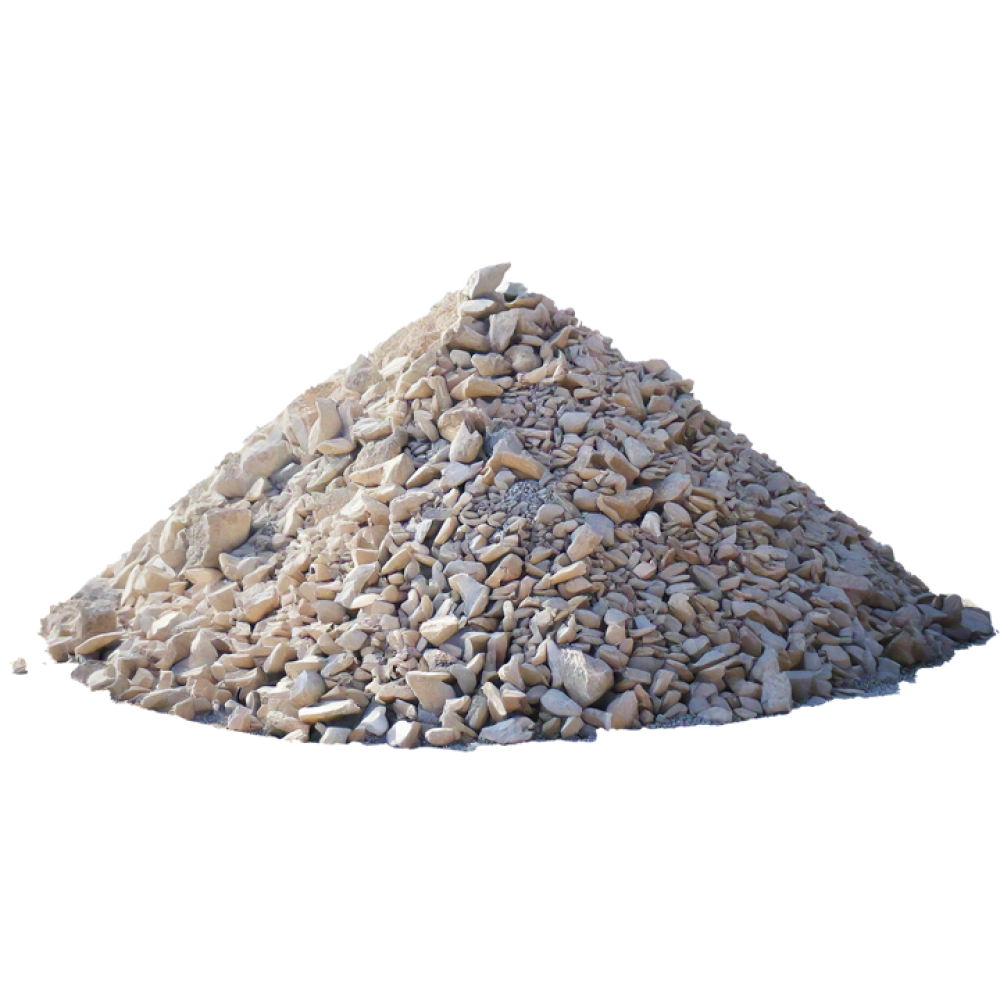
After reviewing the importance of gravel and its many uses in construction, roads, agriculture, and even design and decoration, it becomes clear that this small element plays a vital role in our daily lives. So when the question comes up — what is gravel and what is it used for? — the answer is that it's not just pebbles, but a solid foundation that supports infrastructure, strengthens concrete, and improves quality of life in ways that exceed expectations.
To buy high-quality gravel:
[[almabsat.com]]
General Disclaimer:
The information provided in this article is intended for general awareness purposes, aimed at helping readers better understand construction materials, procurement processes, and make more informed decisions. While Almabsat takes care in preparing and reviewing this content, every project is unique, and technical specifications, quantities, prices, execution methods, regulations, and manufacturer instructions may vary.
Therefore, this content should not be considered a substitute for engineering, technical, or professional consultation. It is recommended to consult engineers, consultants, and relevant authorities, and to review technical specifications and manufacturer instructions before making any design, execution, or purchasing decisions.
If this article includes any prices or price indicators, they are for guidance purposes only and may vary depending on the city, quantity, brand, purchase date, and market conditions.
If you need assistance with quantity estimation, BOQ review, or obtaining a quotation, the Almabsat team will be happy to assist you.