 Almabsat
 العربية
 English
 中文
中文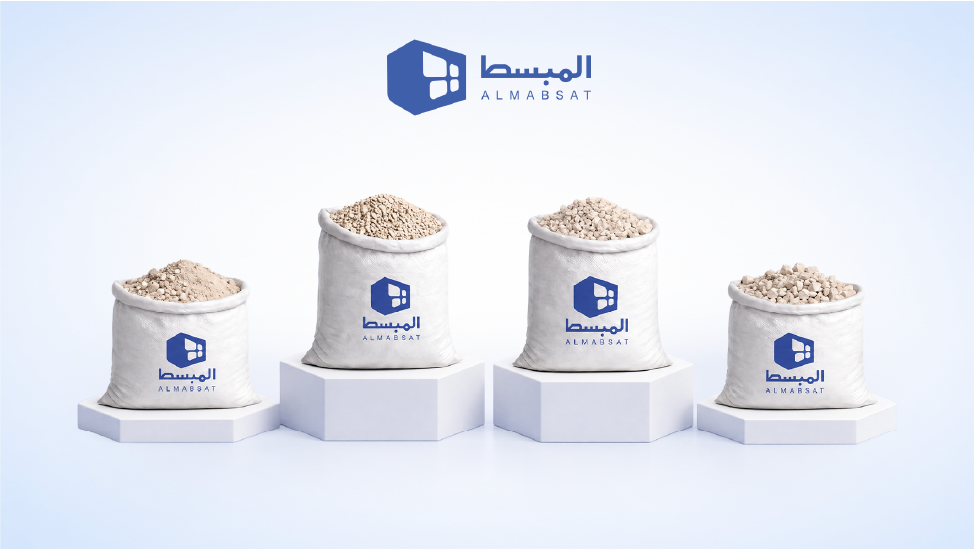
Gravel is one of the essential materials used in many construction works, and its prices vary based on type, size, source, and how it's used on the project. That's why understanding the price differences between various types of construction aggregates helps contractors and project owners choose the right type based on construction needs and available budget, while striking a balance between quality and cost.
Price Differences Between Various Types of Construction Aggregates
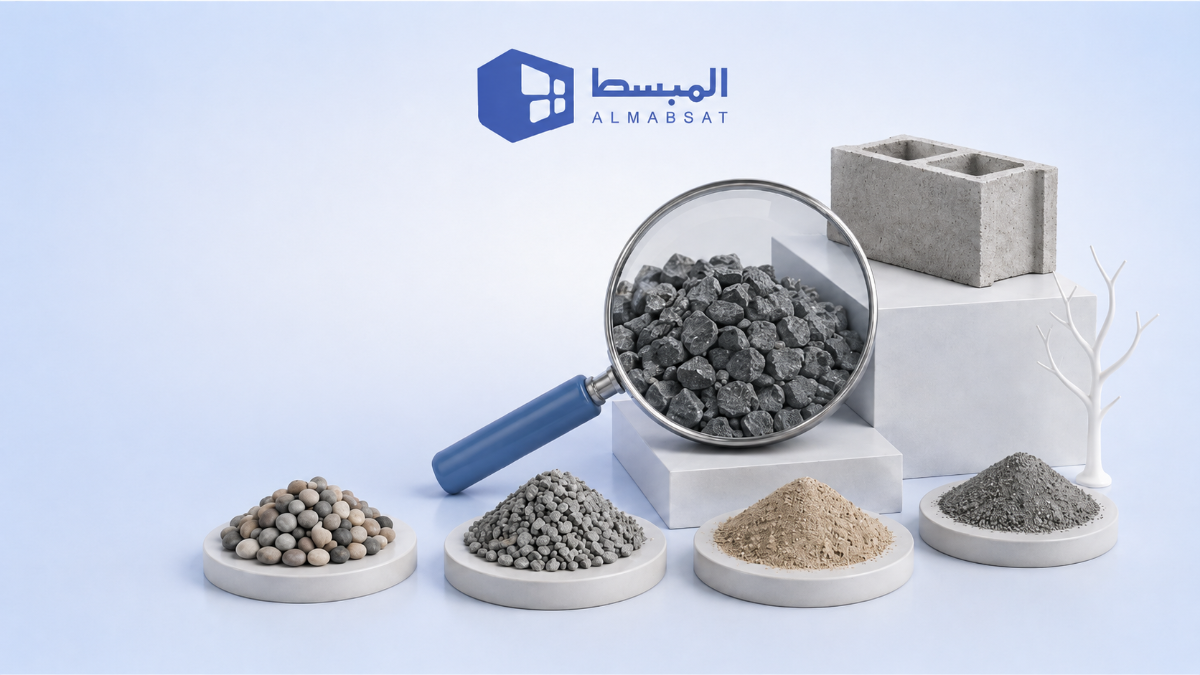
Gravel prices vary depending on the size and how it's used on the project, since each type is engineered for specific construction applications, which is reflected in demand levels along with production and supply costs. That's why it's important to understand the differences between common types before buying, to guarantee you choose the right type in terms of performance and cost. Here are the price differences between various gravel types:
- Zero gravel: usually one of the relatively higher-priced types due to its small grain size and its use in certain concrete mixes and work requiring greater precision.
- 3/8 gravel: typically falls in the mid-price range, and is used in many concrete works and various construction applications.
- 3/4 gravel: one of the most widely used types in construction projects, with prices often close to 3/8 gravel, with slight differences depending on the supplier and raw material quality.
Why Do Prices Differ Between Various Gravel Types?
The price difference between gravel types isn't just about the type itself — it's tied to several factors that directly affect production and supply costs. That's why you may notice price differences between zero gravel, 3/8 gravel, and 3/4 gravel even when buying from the same supplier.
- Grain size: the cost of producing and sorting gravel varies by size, since some sizes require additional sorting and processing.
- Demand level for the type: types more widely used in concrete mixes and construction work see greater demand, which can affect their prices.
- Raw material quality and source: prices vary depending on the quality of rock extracted from quarries and how well it meets the specifications required for projects.
- Transport and supply costs: the distance between the quarry or supplier and the project site affects the final price, especially when ordering large quantities.
- Required quantities: prices can vary when buying large quantities compared to small orders, depending on the supplier's policy and supply method.
- Availability of the type in the market: some sizes may be less available than others in certain areas, causing their prices to vary from time to time.
How to Choose the Right Gravel Type for Your Project's Needs
Choosing the right gravel type is an important step to get the best performance in construction work, since gravel types vary by grain size and the intended use within the project. That's why you should determine the nature of the work and the project's specifications before purchasing, to guarantee you choose the type that achieves the required quality at a suitable cost.
- Determine how the gravel will be used on the project: the choice varies depending on the intended use — some types suit concrete work, while other types are used in site preparation or work requiring specific sizes.
- Choose the right size: gravel size should be chosen based on work requirements, such as zero gravel, 3/8 gravel, or 3/4 gravel, since grain size affects mix quality and the final use.
- Account for the project's specifications: some projects need gravel with certain specifications in terms of hardness, cleanliness, and meeting required standards to guarantee execution quality.
- Confirm supplier quality: working with a reliable supplier helps secure gravel of suitable quality and the required sizes, while guaranteeing the necessary quantities for the project are available.
- Balance quality with cost: choosing gravel shouldn't be based on price alone — you should choose the type that suits the project's needs and achieves the best value for the cost.
- Determine required quantities in advance: planning quantities helps you choose the right type and avoid buying unnecessary amounts or facing delays due to material shortages.
Ways to Reduce Gravel Purchase Costs for Construction Projects
Gravel cost is one of the important line items within a construction project's budget, which is why good planning of purchasing and supply helps reduce expenses without affecting the quality of materials used. By choosing the right supplier, determining needs precisely, and organizing supply processes, you can achieve better savings in project costs.
- Determine required quantities precisely: inventorying the project's needs in advance helps avoid buying excess quantities or incurring extra costs due to poor estimation.
- Buy quantities suited to the project: ordering large quantities can help secure better prices from suppliers, especially on projects that need continuous supply.
- Choose the right supplier: working with a reliable supplier that offers competitive prices and suitable supply options helps reduce the overall cost of gravel.
- Plan supply processes ahead of time: organizing gravel order timing according to the project's execution stages reduces storage costs and limits delays or emergency orders.
- Compare prices before buying: getting more than one price quote helps choose the best option in terms of price, quality, and transport and supply services.
- Reduce waste during use: good storage and organization on the project site helps reduce losses and make better use of supplied quantities.
- Choose the right gravel type for the use: buying the right type based on the nature of the work prevents extra costs from using materials unsuited to the project.
Common Mistakes When Buying Gravel for Projects
Choosing the right gravel directly affects the quality of construction work and the project's cost, which is why falling into certain mistakes during purchasing can lead to increased expenses or getting raw materials unsuited to execution requirements. Recognizing and avoiding these mistakes helps guarantee you choose the right gravel and get the most out of the budget.
- Choosing gravel based on price alone: relying on the lowest price without confirming the gravel's quality and specifications can affect execution results, so you should strike a balance between cost and raw material quality.
- Not determining the right gravel type for the project: the uses of gravel types like zero, 3/8, and 3/4 differ, so the type should be chosen based on the nature of the required work, not randomly.
- Buying quantities unsuited to project needs: not estimating quantities precisely leads to increased waste or shortages that affect workflow and execution schedules.
- Neglecting gravel quality and source: buying gravel from unreliable sources can lead to getting raw materials that don't meet the project's requirements or required specifications.
- Not paying attention to transport and supply costs: the gravel's price may be suitable, but high transport costs to the project site raise the final cost, so all costs should be calculated before buying.
- Not planning orders ahead of time: delaying gravel purchases until the actual need arises can lead to limited choices or higher costs due to urgent orders.
- Not comparing supplier offers: getting more than one offer helps you choose the supplier that provides the best combination of quality, price, and supply services.
Best Gravel Types from Almabsat
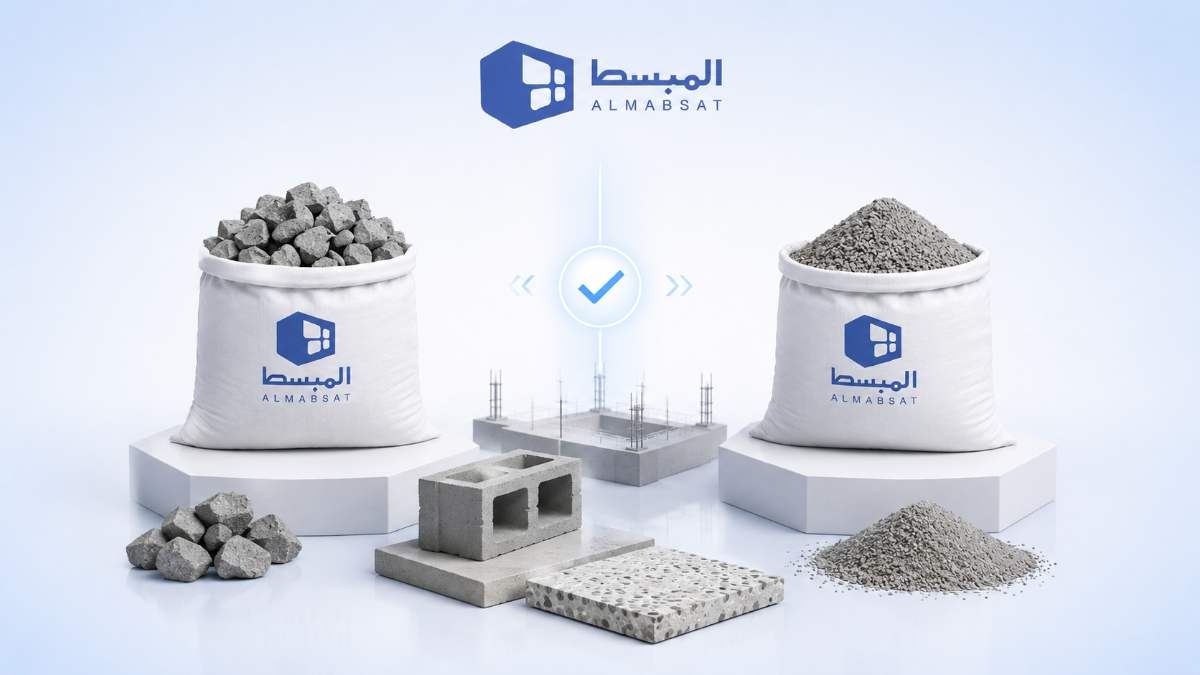
Almabsat offers a wide range of building materials, including gravel types in different grades and sizes to meet the needs of various construction projects. Products include zero gravel, suited to work requiring fine grains, 3/8 gravel used in many concrete works, along with 3/4 gravel, which suits foundations and concrete work requiring higher strength and load-bearing capacity.
Almabsat also offers complete supply solutions for essential building materials, including sand, cement, and block, with multiple options suited to different project needs and fair prices that include shipping and tax. Almabsat's online platform helps simplify the ordering process and track products, along with providing fast customer service to answer inquiries and offer the necessary support to clients.
Frequently Asked Questions about Price Differences Between Gravel Types
Why does zero gravel differ in price from larger types?
The price difference is tied to grain size and the intended use, since some sizes need different sorting and processing to suit construction project requirements.
Does gravel size affect its price?
Yes, gravel size is one of the factors affecting price, since the cost of producing and supplying different sizes such as zero gravel, 3/8 gravel, and 3/4 gravel varies based on market needs and required uses.
Does buying large quantities of gravel reduce cost?
In many cases, ordering large quantities helps secure better prices, especially for projects that need continuous supply, depending on the supplier's policy and the nature of the agreement.
In closing, we've answered what the price differences between various gravel types are, covering the key factors that affect price variation between zero gravel, 3/8 gravel, and 3/4 gravel, such as grain size, raw material quality, and the intended use of each type, along with the impact of transport and supply costs on the final price. Choosing the right type based on the project's needs is an important step to achieve the best balance between quality and cost.
You may also like:
- Gravel vs Pebbles and Their Main Uses in Construction
- Large vs. Small Gravel: How to Choose the Right Size for Your Project
General Disclaimer:
The information provided in this article is intended for general awareness purposes, aimed at helping readers better understand construction materials, procurement processes, and make more informed decisions. While Almabsat takes care in preparing and reviewing this content, every project is unique, and technical specifications, quantities, prices, execution methods, regulations, and manufacturer instructions may vary.
Therefore, this content should not be considered a substitute for engineering, technical, or professional consultation. It is recommended to consult engineers, consultants, and relevant authorities, and to review technical specifications and manufacturer instructions before making any design, execution, or purchasing decisions.
If this article includes any prices or price indicators, they are for guidance purposes only and may vary depending on the city, quantity, brand, purchase date, and market conditions.
If you need assistance with quantity estimation, BOQ review, or obtaining a quotation, the Almabsat team will be happy to assist you.