 Almabsat
 العربية
 English
 中文
中文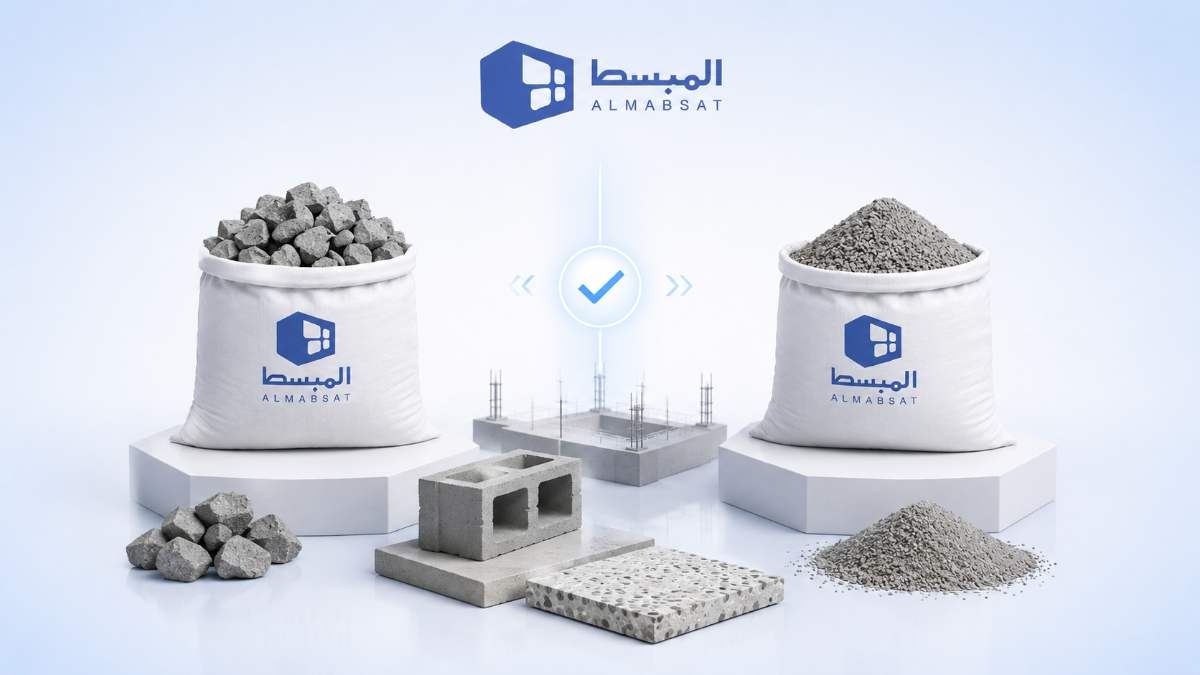
When executing construction projects, choosing the right materials is the key to guaranteeing durability and quality. Among the essential elements in concrete mixes, gravel plays a decisive role in strengthening concrete and improving its stability. But the question many people still ask remains: which is better, large gravel or small gravel?
Each type has its own uses and unique advantages that affect the strength of the final structure. Let's find out together which one suits your project best, and why.
Is Large or Small Gravel Better? Your Guide to Choosing the Right Size for Construction
When it comes to building materials, especially concrete, the question many engineers and contractors ask is: is large gravel or small gravel better? In this context, there's no absolute answer, since each gravel type has certain properties that make it suited to different construction uses.
First: What Is Gravel and What Role Does It Play in Concrete?
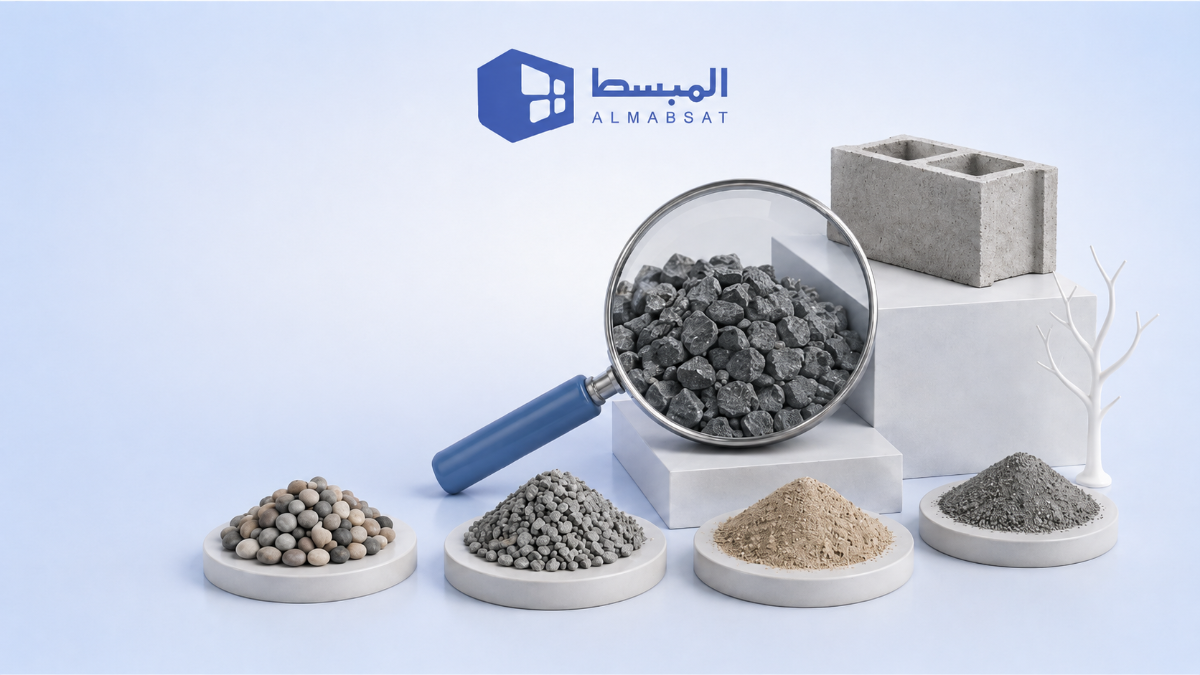
Gravel is crushed rock pieces used in concrete mixes. It's a core component of the concrete mix, contributing to strengthening the concrete and increasing its durability. Gravel is classified into two main types based on grain size: large gravel and small gravel.
Gravel in general is used to achieve several key goals in concrete, such as:
- Improving load-bearing strength.
- Reducing shrinkage.
- Improving cohesion between the concrete's different components.
- Increasing the efficiency of using other materials such as cement and water.
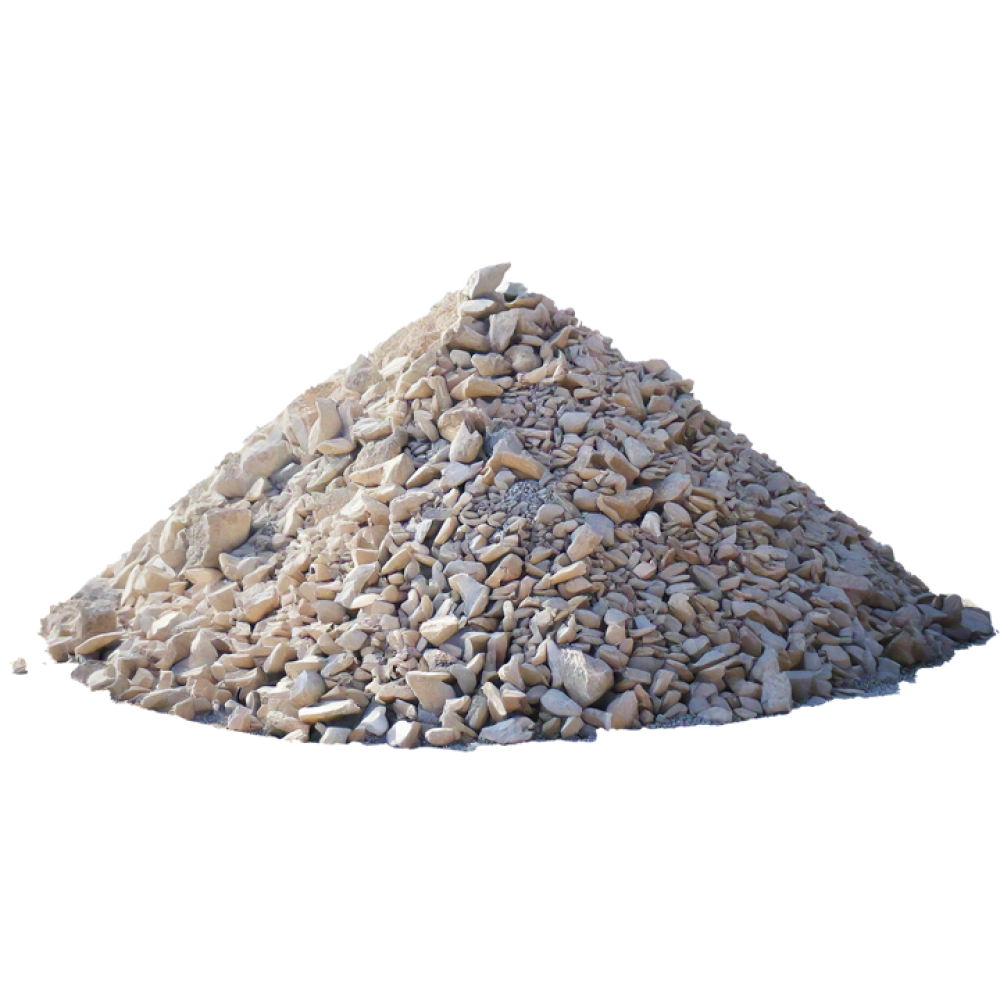
If you're looking for the ideal material to reinforce foundations and bridges, 3/4 gravel from Almabsat is the perfect choice for you. 3/4 gravel stands out for its exceptional ability to boost load-bearing strength and hardness, making it the most suitable choice for building strong, durable projects. Whether you're laying the foundation for a massive building or designing a bridge that faces natural challenges, this gravel type will guarantee you a solid foundation that lasts for years. Choosing it from Almabsat means choosing quality and reliability in every detail of your construction.
 Browse Building Materials
Second: What Is Large Gravel and What Are Its Properties?
Large gravel is aggregate that has a bigger size compared to small gravel. The grain size in large gravel usually ranges between 10 and 40 mm. Large gravel is used in construction projects that need high load-bearing strength, such as foundations and reinforced concrete for bridges and high-rise buildings.
Properties of large gravel:
- Strength and durability: large gravel helps improve concrete's resistance to heavy loads, making it ideal for projects that need a strong structure.
- Resistance to cracking: due to the large grain size, large gravel reduces the cracking that can occur in concrete due to shrinkage.
- Structural improvement: large gravel improves structural stability for major projects exposed to static and dynamic loads.
Drawbacks of large gravel:
- It needs a larger amount of cement and water when mixing concrete.
- It can make the mixing and pouring process more difficult, especially if mixing is done manually or at sites not equipped with advanced mixing tools.
- In some cases, it can lead to gaps or voids inside the concrete if the mixing process isn't done correctly.
Third: What Is Small Gravel and What Are Its Properties?
Small gravel usually ranges in size between 5 and 10 mm, and has a smoother, more rounded texture than large gravel. This type of gravel is mainly used in concrete mixes that need smooth surfaces, or in plastering and finishing applications.
Properties of small gravel:
- Smoothness and uniformity: small gravel helps achieve smooth, cohesive surfaces when used in concrete mixes for plastering or brickwork.
- Ease of mixing: thanks to its small size, small gravel is easier to mix with other components such as cement and water, producing a uniform concrete mix.
- Reduced shrinkage: small gravel reduces volume changes in concrete, lowering the likelihood of cracking during the hardening process.
Drawbacks of small gravel:
- It doesn't provide the same load-bearing strength as large gravel, so it may not be the best fit for projects that need high load-bearing capacity.
- It may need larger amounts of water to achieve the required cohesion, which can negatively affect concrete strength if not controlled precisely.
Fourth: How to Choose the Right Gravel for Your Project?
Choosing between large and small gravel depends largely on the project type and its engineering requirements. Here are some factors to consider when deciding which one to choose, large or small gravel:
Project type:
- If you're working on major projects such as bridges, tall buildings, or deep foundations, large gravel will be the better choice since it offers greater load-bearing strength.
- If you're working on small projects or need precise finishing such as plastering or floor tiling, small gravel will be more suitable.
Required concrete properties:
- If you need strong concrete that can withstand pressure, large gravel will be the ideal choice.
- If you need smooth, easy-to-blend concrete, especially for work requiring precise finishing, small gravel is the better option.
Budget and availability:
- Sometimes large gravel can be priced higher than small gravel, so you should factor the budget into your decision.
- The availability of materials in the local market can also affect your choice, since you may find one type is more available than the other.
Environment and site conditions:
- If you're working in an area exposed to moisture or water, large gravel may be more suitable since it helps improve concrete's resistance to shrinkage and cracking.
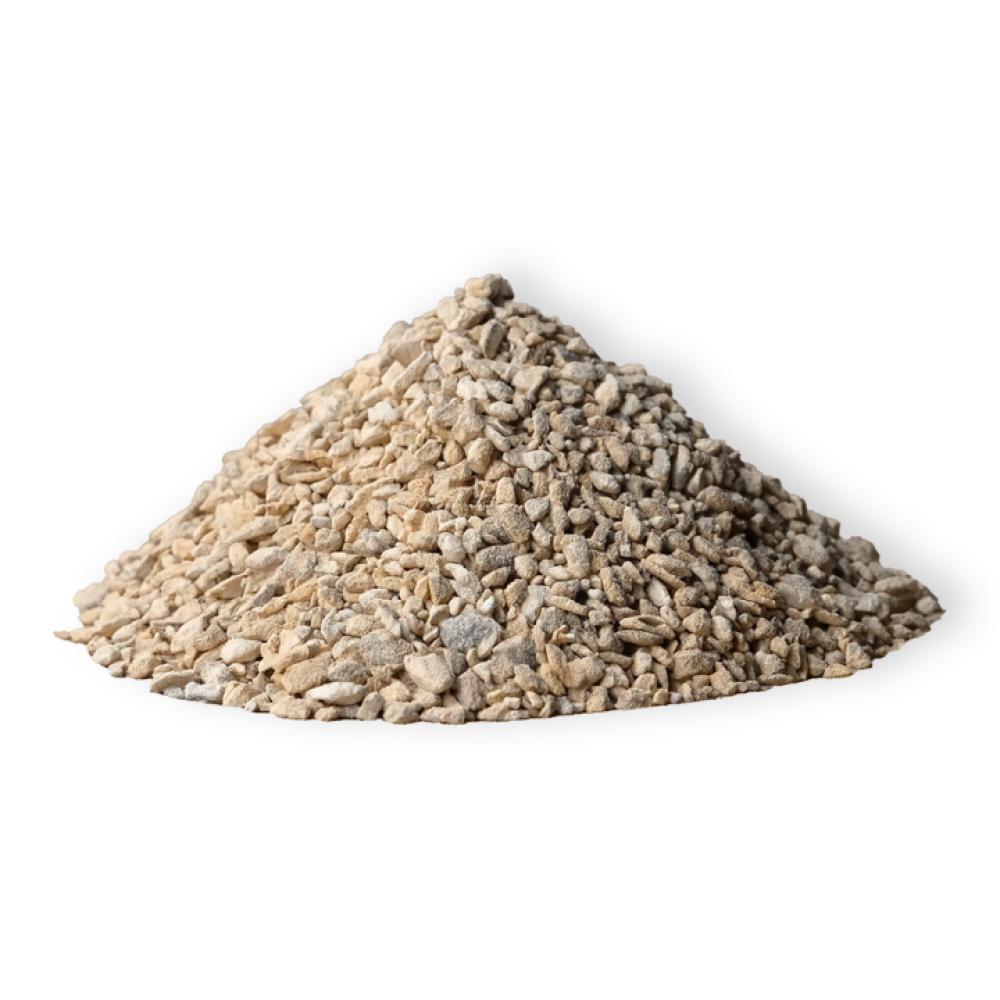
Zero gravel from Almabsat is the ideal choice for fine concrete work that requires the highest quality standards. Thanks to its unique properties, it improves cohesion between components and reduces voids, guaranteeing exceptional results on every project. Whether you're working on finishing or reinforced concrete, zero gravel lets you achieve professional, durable finishes that last for years. Choosing it from Almabsat means every millimeter of your project is built on the most precise, reliable foundation.
 Browse Building Materials
So, is large or small gravel better? The answer isn't fixed — it depends on the type of project you're working on and its precise needs. Large gravel is best suited to projects that need high load-bearing strength and exposure to heavy loads, while small gravel is better for applications that need smoothness and precision, such as finishing and plastering. On many projects, a mix of large and small gravel may be used to strike a balance between strength and smoothness in the concrete.
General Disclaimer:
The information provided in this article is intended for general awareness purposes, aimed at helping readers better understand construction materials, procurement processes, and make more informed decisions. While Almabsat takes care in preparing and reviewing this content, every project is unique, and technical specifications, quantities, prices, execution methods, regulations, and manufacturer instructions may vary.
Therefore, this content should not be considered a substitute for engineering, technical, or professional consultation. It is recommended to consult engineers, consultants, and relevant authorities, and to review technical specifications and manufacturer instructions before making any design, execution, or purchasing decisions.
If this article includes any prices or price indicators, they are for guidance purposes only and may vary depending on the city, quantity, brand, purchase date, and market conditions.
If you need assistance with quantity estimation, BOQ review, or obtaining a quotation, the Almabsat team will be happy to assist you.