 Almabsat
 العربية
 English
 中文
中文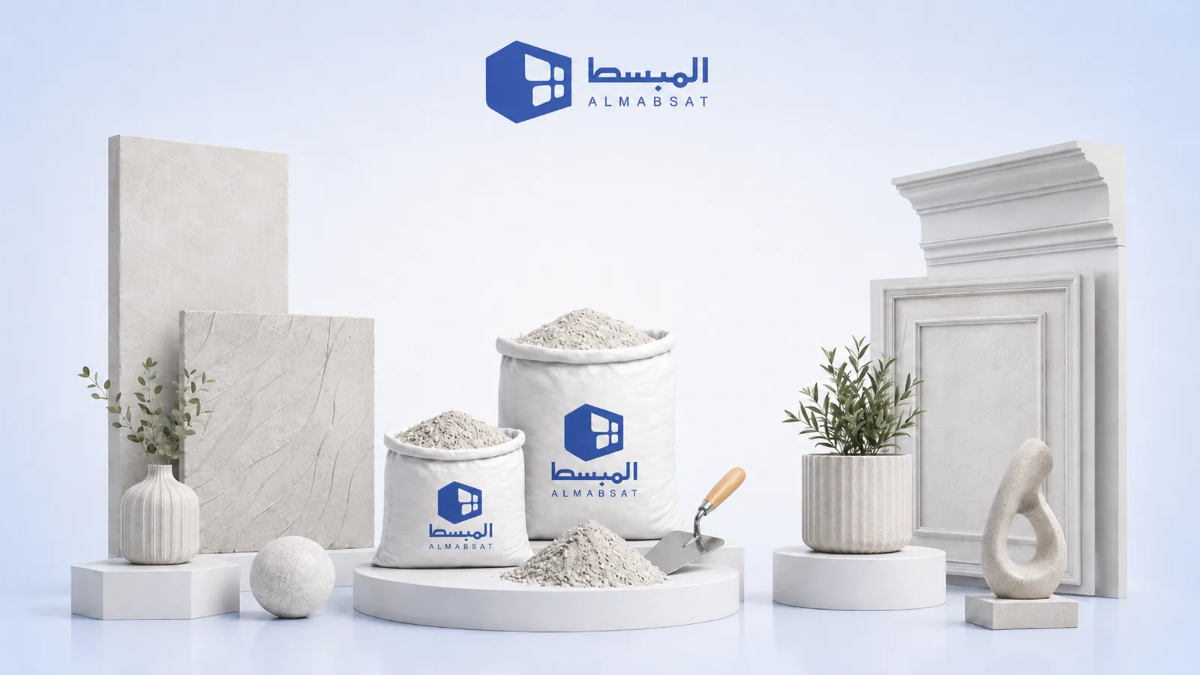
In construction and design, beauty lives in the details — and when it comes to those final touches, finishing cement becomes the key to perfection. This type of cement isn't just about strength and durability; it lets you turn walls and surfaces into artistic canvases that reflect your creativity. Whether you want elegantly smooth finishes or a tough surface that withstands time, finishing cement is the ideal choice that combines beauty and practicality.
Uses of Finishing Cement
Finishing cement plays a central role in the construction industry. Its job isn't only to add strength and durability — it also improves the look of interior and exterior spaces. Its specialized composition makes it perfect for producing smooth, uniform, and resistant surfaces, which is why architects and contractors reach for it first. Here's a closer look at its main uses:
1. Improving the look of walls and ceilings
Finishing cement is mainly used to prepare surfaces for paint or any kind of decoration. Thanks to its smoothness and workability, it can deliver:
- Perfectly smooth surfaces: a flawless layer with no cracks or waves, ensuring high-quality final finishes.
- 3D decorative work: it can be shaped into attractive decorative designs that bring a creative touch to your space.
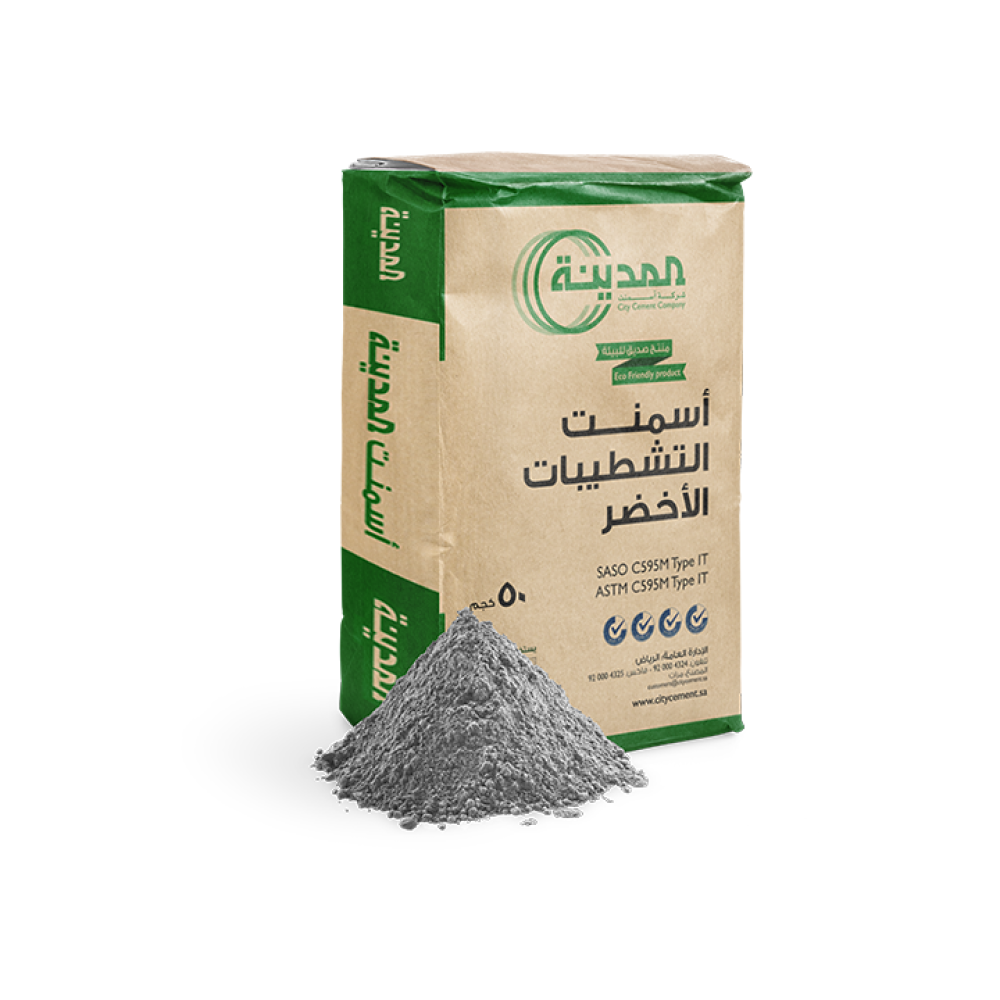
Discover Madinah Finishing Cement from Almabsat — your perfect partner for results that exceed expectations. With outstanding strength and durability, it handles harsh conditions and resists sulfates, making it ideal for projects that demand quality. It dries quickly with lower heat, ensuring efficient work without compromising performance, and its high workability makes it easy to use across a wide range of construction applications.
2. Hiding wall imperfections
Walls and ceilings often come with flaws — cracks or gaps left from construction. This is where finishing cement steps in: it covers those imperfections and makes surfaces look flawless.
- Sealing cracks: used to treat small cracks and prepare walls so they're free of defects.
- Correcting unevenness: ensures wall surfaces are level even when the underlying construction wasn't precise.
3. Interior and exterior decoration
Finishing cement is widely used to create decorative designs that fit different architectural styles.
- For interiors: applied to give walls a silky texture, with the option to add colors or different effects after painting.
- For exterior facades: protects against weather like rain and heat while keeping the facade's visual appeal.
4. Strengthening surface durability
Beyond improving appearance, finishing cement also boosts surface strength and protects against erosion or damage.
- Moisture resistance: helps protect walls from moisture, making it ideal for bathrooms and kitchens.
- Crack protection: reduces the chance of cracks appearing over time thanks to its flexible composition.
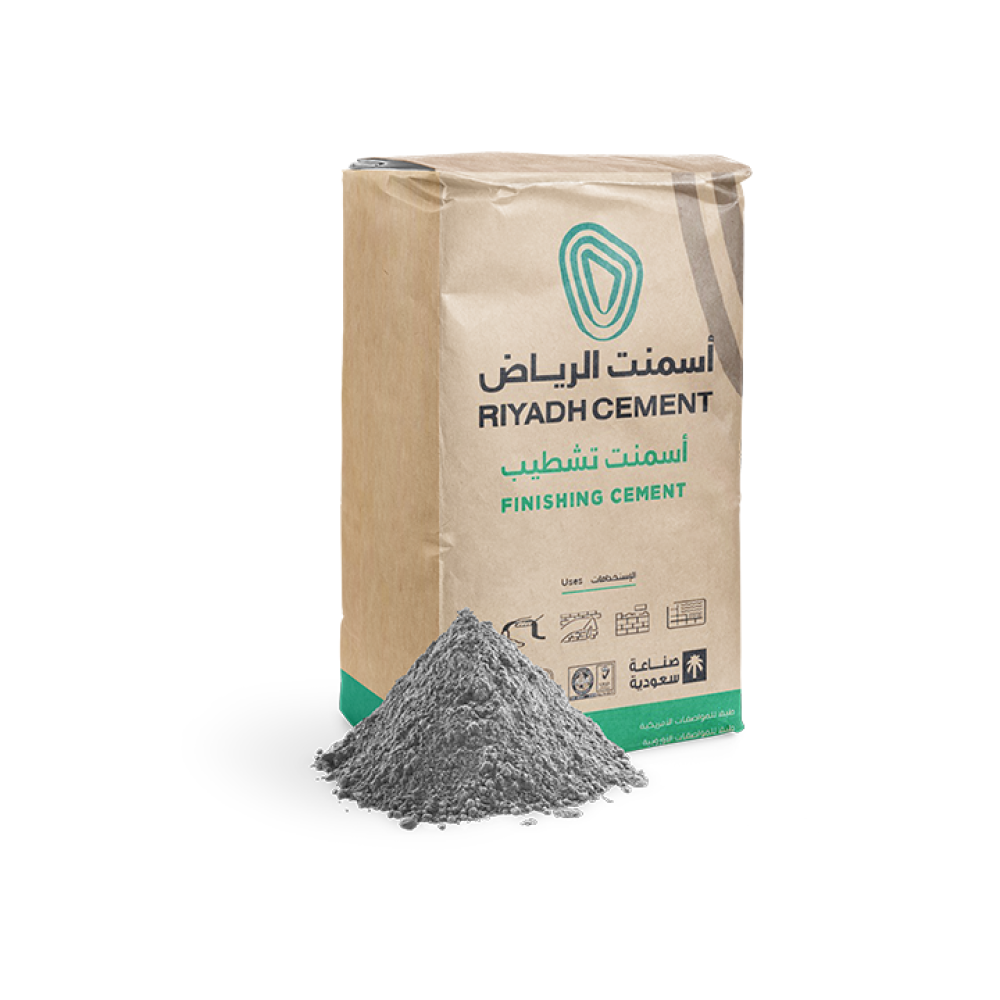
Riyadh Finishing Cement from Almabsat is your go-to partner for perfect, finely crafted results. It's used in plastering and finishing work to deliver smooth surfaces that add a touch of creativity and quality. With exceptional strength, it ensures a perfectly level base before tiling for lasting adhesion, and it's effective in preparing cement mortar to form strong, uniform layers.
5. Use on complex surfaces
Finishing cement isn't only for flat walls — it can also be used on surfaces with complex shapes:
- Arches and domes: provides smooth, seamless coverage for these surfaces.
- Columns and corners: ensures easy shaping for a polished, refined final design.
6. Preparing floors for paint or tile
When floors need precise finishing before tile installation or paint, finishing cement is the best choice. It provides a solid, even surface that simplifies the final installation step.
7. Extending the building's lifespan
Thanks to its resistance to erosion and moisture, finishing cement protects the building's main structure — extending its useful life and reducing the need for constant maintenance.
Benefits of finishing cement
- Easy to apply and quick to dry.
- Suitable for different surface types (concrete, brick, even gypsum).
- High resistance to weather and erosion.
- Can be used to create innovative decorative designs.
The uses of finishing cement range from improving aesthetics to protecting surfaces and extending the building's lifespan. With its unique properties, it has become an essential element in any construction project, large or small. If you're looking for perfection in your home or project finishes, finishing cement is the solution that combines performance and beauty with professionalism.
In the end, finishing cement remains the ideal choice for anyone seeking the perfect balance between beauty and durability. It's the key that turns design dreams into tangible reality, giving every corner and touch in a build the polish your vision deserves.
To buy finishing cement:
[[almabsat.com]]
General Disclaimer:
The information provided in this article is intended for general awareness purposes, aimed at helping readers better understand construction materials, procurement processes, and make more informed decisions. While Almabsat takes care in preparing and reviewing this content, every project is unique, and technical specifications, quantities, prices, execution methods, regulations, and manufacturer instructions may vary.
Therefore, this content should not be considered a substitute for engineering, technical, or professional consultation. It is recommended to consult engineers, consultants, and relevant authorities, and to review technical specifications and manufacturer instructions before making any design, execution, or purchasing decisions.
If this article includes any prices or price indicators, they are for guidance purposes only and may vary depending on the city, quantity, brand, purchase date, and market conditions.
If you need assistance with quantity estimation, BOQ review, or obtaining a quotation, the Almabsat team will be happy to assist you.