 Almabsat
 العربية
 English
 中文
中文
When we talk about the strength and durability of concrete structures, one of the key factors that plays a central role is the type of concrete gravel used in structural mixes. Concrete is not just a blend of cement and water — it depends heavily on the quality of the aggregate used, known as gravel or pebbles.
Types of gravel differ in size, hardness, and source, which affects the properties of concrete in terms of strength, resistance, and durability. In this article, we'll explore the types of concrete gravel and their importance in enhancing the quality of construction projects and ensuring their sustainability for decades to come.
Types of concrete gravel and their ideal uses
Concrete gravel (coarse aggregate) is an essential component of concrete mixes, significantly affecting the durability and structural strength of concrete. It is classified based on three main factors: source, size, and chemical composition — each of which plays an important role in determining the gravel's performance across different construction applications.
1. Types of concrete gravel by source
The type of gravel differs depending on where it is extracted, as the nature of its origin affects its hardness, resistance, and ability to bond with the other materials in the concrete mix.
a. Natural gravel
Obtained directly from nature, without industrial crushing processes. It includes:
- River gravel: extracted from riverbeds after the pebbles settle due to water currents. It has a smooth surface and rounded shape, which reduces its cohesion with concrete but improves workability.
- Quarry gravel: extracted from large rocks, then crushed and washed, making it rougher with sharp angles, which enhances its bond with the concrete mix.
- Marine gravel: extracted from the seabed, but it requires intensive cleaning to remove salts and organic materials that could affect the durability of the concrete.
b. Crushed (manufactured) gravel
Produced by breaking down large rocks using crushers, resulting in grains with sharp, rough angles that provide better bonding with the cement paste. It is often used in concrete structures that require high load-bearing capacity.
c. Recycled gravel
Obtained by crushing and recycling old concrete. It is an eco-friendly option used in infrastructure and road projects. However, it requires careful inspection to ensure it is free of impurities and harmful materials.
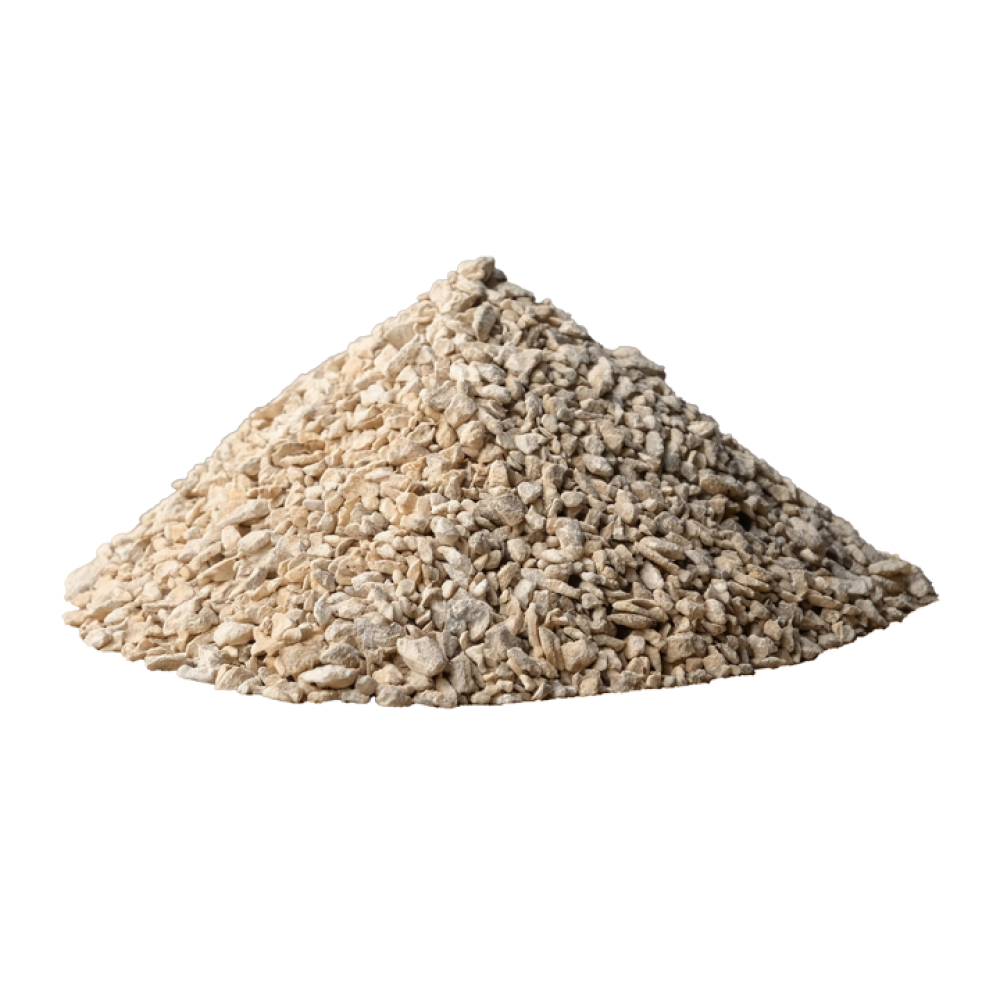
High-quality 3/8 Gravel from Almabsat, with an ideal size that enhances concrete cohesion and ensures a strong, durable structure that lasts. Ideal for concrete mixes and precise structural work.
2. Types of concrete gravel by size
Concrete gravel is classified according to grain size, as this factor affects the density of the concrete, its workability, and its strength after hardening.
a. Fine gravel (4.75 – 10 mm)
- Used in concrete with small thicknesses, such as floor slabs and surfaces.
- Enhances the smoothness of the concrete and reduces voids between its components.
- Suitable for light structural work and finishes.
b. Medium gravel (10 – 20 mm)
- The most commonly used type of gravel in reinforced concrete and ready-mix concrete.
- Provides a balance between strength and ease of workability.
- Reduces the proportion of voids, increasing the density and durability of the concrete.
c. Coarse gravel (20 – 40 mm and above)
- Used in deep foundations, dams, and massive bridges.
- Enhances the concrete's ability to bear heavy loads.
- Requires a high proportion of cement to ensure good cohesion.
3. Types of concrete gravel by chemical composition
The chemical composition of the rocks from which the gravel is extracted affects its physical and chemical properties, which is reflected in the concrete's resistance to various environmental and chemical factors.
a. Siliceous gravel
- Contains a high proportion of silica (SiO₂), and is one of the most widely used types of gravel in concrete.
- Distinguished by its high resistance to corrosion and abrasion, making it suitable for buildings exposed to high mechanical stress.
- Often sourced from granite or sandstone rocks.
b. Limestone gravel
- Composed mainly of calcium carbonate (CaCO₃), and is less hard than siliceous gravel.
- Easy to shape and cut, making it common in traditional construction work.
- Absorbs more water than siliceous gravel, which may affect the water ratio in the concrete mix.
c. Basaltic gravel
- Rich in iron and magnesium minerals, making it one of the hardest types of gravel.
- Resistant to heat and harsh weather conditions, making it ideal for roads and structures exposed to high temperatures.
- Its dark color sets it apart from other types.
High-quality 3/4 Gravel from Almabsat is the ideal choice for reinforcing foundations and bridges. It gives you high load capacity and stability that lasts for decades. Its durable composition enhances concrete cohesion, ensuring a strong, sustainable build that withstands the harshest conditions. Make your foundation stronger with trusted Almabsat gravel.
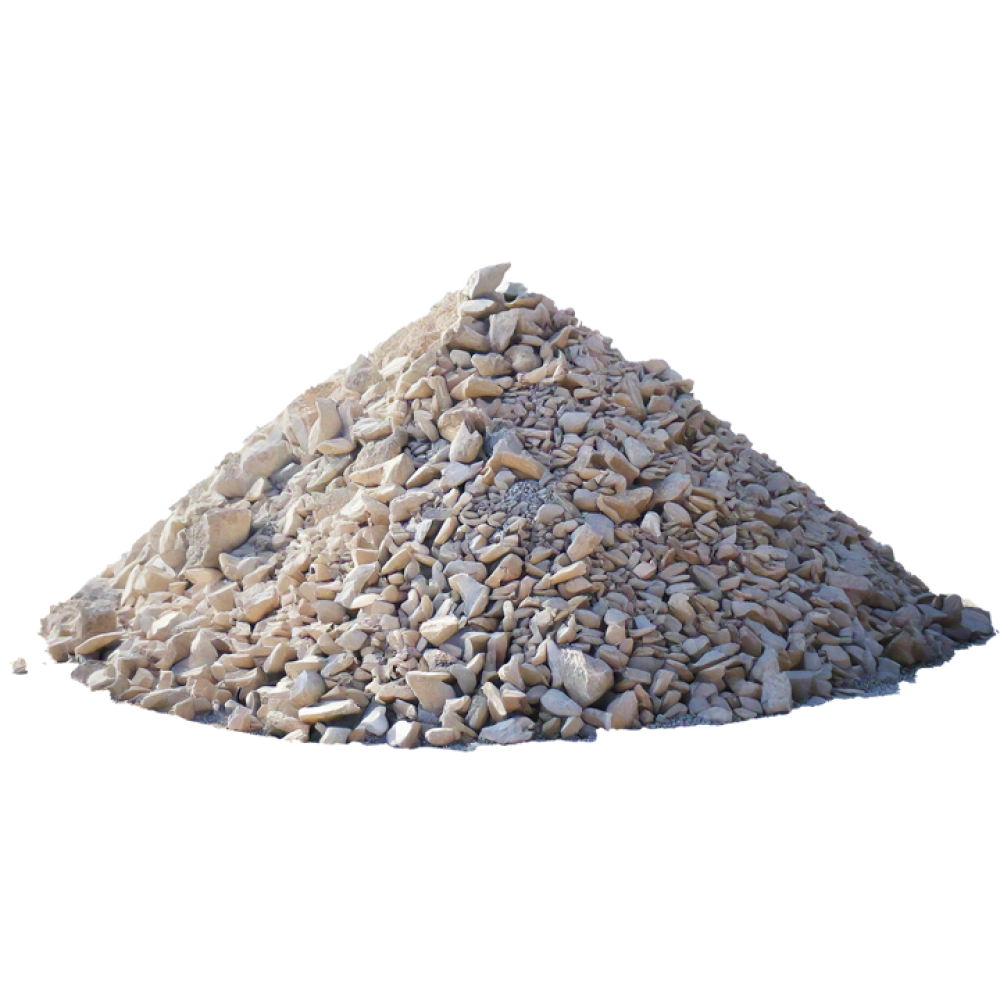
After reviewing the types of concrete gravel and their properties, it becomes clear how important it is to choose the right type for each construction project to ensure the required strength and durability. Each type of gravel gives concrete different properties in terms of hardness, resistance to environmental factors, and long-term load-bearing capacity. From here, the careful selection of gravel becomes an essential element in the success of any concrete structure — whether in residential buildings, bridges, or massive structures. So, knowing the types of concrete gravel and their advantages is an essential step toward building strong structures that last for decades.
To buy types of concrete gravel:
[[almabsat.com]]
General Disclaimer:
The information provided in this article is intended for general awareness purposes, aimed at helping readers better understand construction materials, procurement processes, and make more informed decisions. While Almabsat takes care in preparing and reviewing this content, every project is unique, and technical specifications, quantities, prices, execution methods, regulations, and manufacturer instructions may vary.
Therefore, this content should not be considered a substitute for engineering, technical, or professional consultation. It is recommended to consult engineers, consultants, and relevant authorities, and to review technical specifications and manufacturer instructions before making any design, execution, or purchasing decisions.
If this article includes any prices or price indicators, they are for guidance purposes only and may vary depending on the city, quantity, brand, purchase date, and market conditions.
If you need assistance with quantity estimation, BOQ review, or obtaining a quotation, the Almabsat team will be happy to assist you.