 Almabsat
 العربية
 English
 中文
中文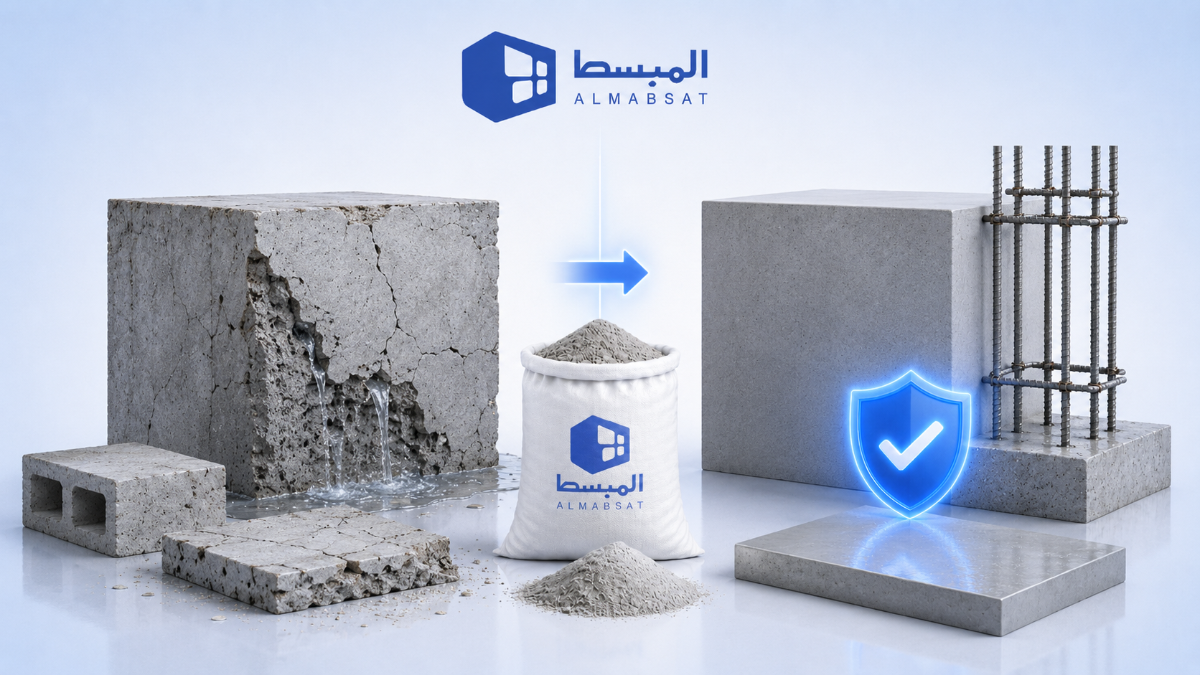
Concrete is the backbone of any construction project, combining strength and durability to form the foundation of a build. But like any material, it can face challenges along the way. That's where understanding concrete problems and their solutions becomes essential — analyzing the root causes of issues and applying the right solutions can turn a build from just a project into a complete, lasting structure. Whether it's cracks, deterioration, or drying and cracking problems, dealing intelligently with these challenges gives concrete the long life and optimal performance every engineer and contractor is after.
Concrete Problems and Their Solutions: a complete guide to a strong, lasting build
Concrete is one of the essential materials used in construction, but it is not free of problems that can affect its performance and lifespan. It's important to understand concrete problems and their solutions precisely, to keep concrete structures from being compromised and to achieve exceptional durability for projects. Below, we'll discuss some of the most important problems that can appear in concrete, along with the suggested solutions for each.
1. Efflorescence in concrete (salting)
The problem:
Efflorescence, or salting, is the appearance of a white layer on the surface of concrete. It results from soluble salts rising from inside the concrete to its surface due to the presence of moisture. This happens mainly when the concrete contains a large amount of soluble salts such as sulfates or chlorides. These salts appear on the surface when the water inside the concrete evaporates, leaving behind a layer of salts that distorts the overall appearance and leads to the deterioration of the concrete over time.
The solutions:
- Improving the concrete components: efflorescence can be reduced by using high-quality, low-salt raw materials. In addition, a special cement with lower salt content can be used.
- Limiting moisture: it's essential to make sure the concrete isn't exposed to many continuous sources of moisture, such as water seeping from walls or floors. Using good insulation layers can help limit moisture transfer.
- Using additives: special concrete additives can be used, such as moisture-blocking materials or efflorescence-resistant additives, to reduce the salt problem.
- Removing efflorescence: if efflorescence occurs, the concrete can be cleaned using a coarse brush or a mild acid solution (such as an acetic acid solution) to remove the salts from the surface.
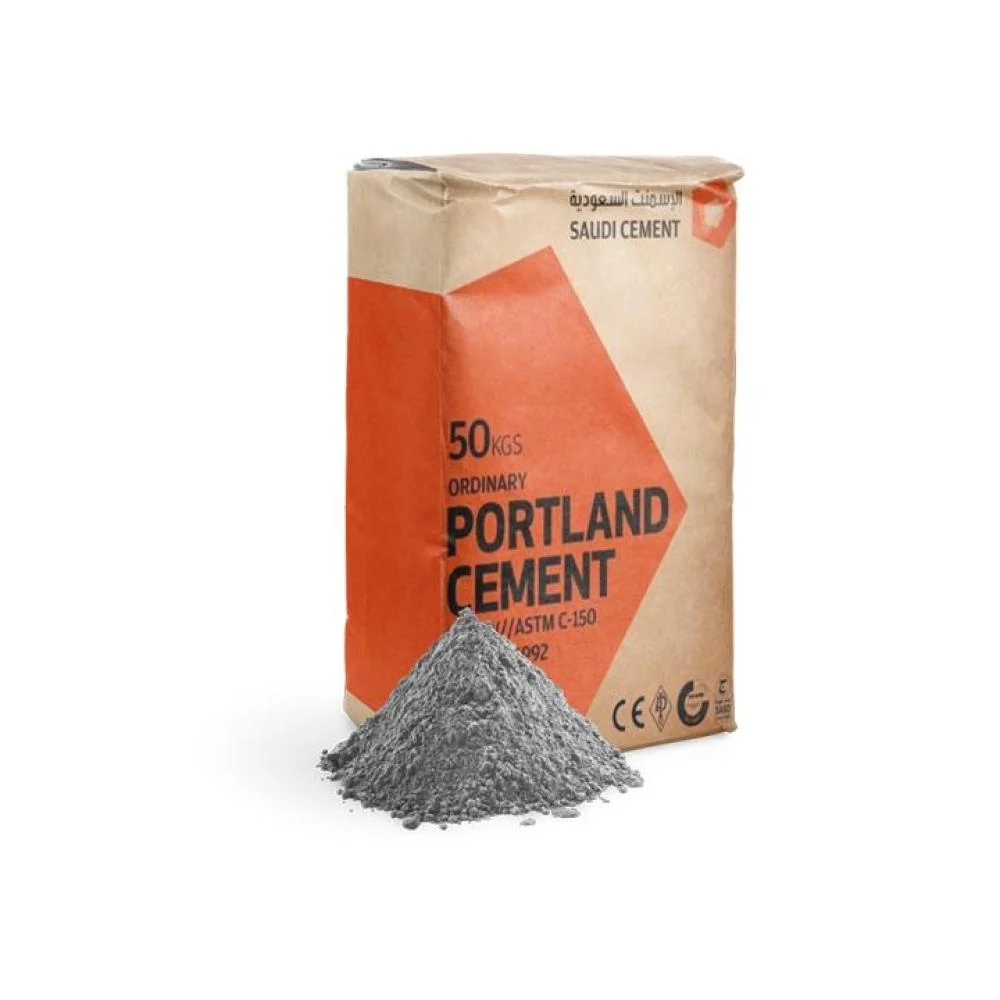
Bahraini Cement from Almabsat is the ideal choice for a wide range of construction projects thanks to its excellent properties, which make it suitable for ready-mix concrete, foundations, footings, walls, concrete structures, and roads. With its high strength, Bahraini Cement ensures the execution of durable, reliable residential, commercial, and infrastructure projects, making it the perfect solution for achieving quality and solidity in every detail of construction work. Get Bahraini Cement now from Almabsat.
2. Concrete cracking (fractures)
The problem:
Cracks in concrete are among the most common problems engineers and contractors face. They can occur for several reasons, such as shrinkage caused by drying, overloading, thermal expansion and contraction, chemical reactions, or even movement of the ground beneath the structure. Cracks may be superficial or deep, but in all cases they affect the durability of the concrete and its ability to bear loads.
The solutions:
- Controlling the water-to-cement ratio: to ensure durability and reduce shrinkage caused by drying, the amount of water added to the mix must be controlled precisely.
- Using shrinkage-resistant additives: adding plastic materials or fibers to the concrete mix can help reduce cracks caused by shrinkage.
- Controlling the pouring environment: it's essential to pour concrete in an environment controlled for temperature and humidity. If conditions are harsh, covers can be used to cover the concrete and maintain its appropriate temperature.
- Using insulating surfaces: cracks can also be reduced by using materials that resist thermal expansion and contraction, such as surfaces covered with insulating membranes.
- Repairing fractures: for large fractures, they can be repaired using concrete adhesives or special mortar, or in more extreme cases the fractures are injected with epoxy to fill the gaps.
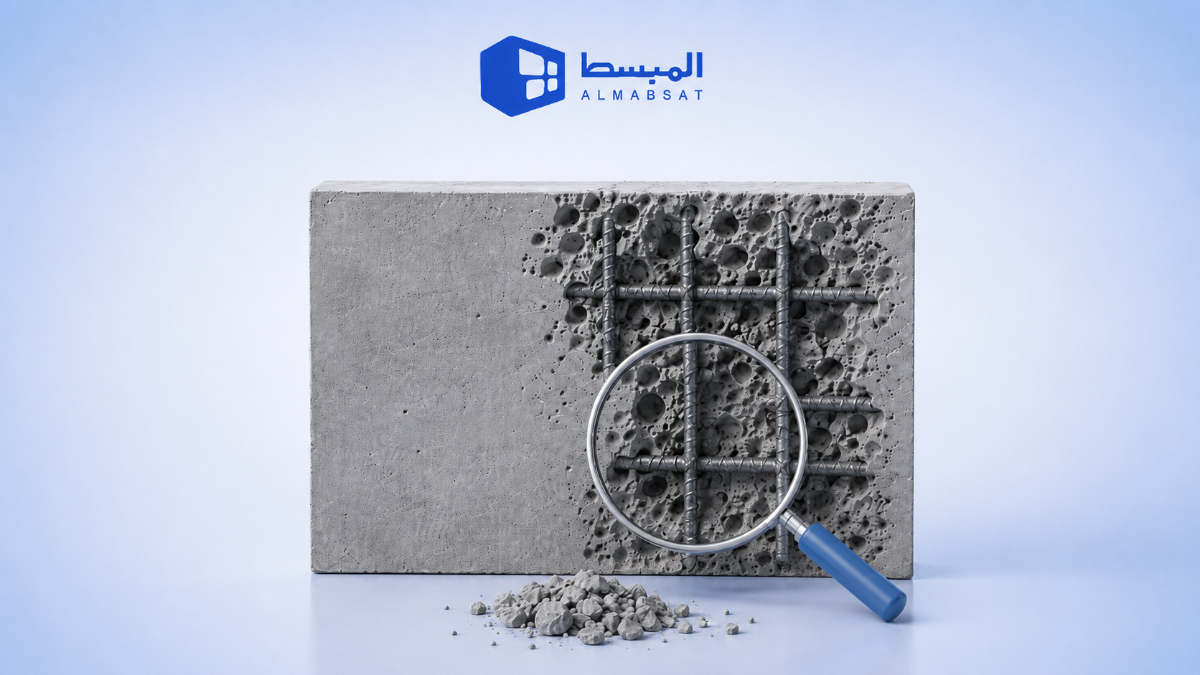
3. Voids and honeycombing in concrete
The problem:
Voids and honeycombing in concrete refer to the presence of gaps or non-compacted areas in the concrete after the pouring process. This problem can occur due to poor mixing, lack of attention to distributing the concrete evenly in the molds, or failure to use suitable equipment such as vibrators to vibrate the concrete. Honeycombing leads to weakened concrete and a deterioration of its strength and ability to bear loads.
The solutions:
- Good mixing: it's essential to make sure the concrete mix is mixed homogeneously, including the cement, aggregate, and water, to achieve an even distribution of the components.
- Using vibrators: using vibrating devices during pouring helps integrate the concrete better and remove voids or honeycombing. Make sure the concrete has been vibrated sufficiently in the molds to avoid forming voids.
- Ensuring air drainage: pay attention that the pouring process is done slowly and gradually, and that air is properly drained from inside the concrete to avoid forming voids.
- Repairing honeycombing: if honeycombing appears in the concrete, the gaps can be filled with special cement mortar or similar materials to restore the integrity of the structure.
- Monitoring depth and spacing: make sure the concrete has been poured into the molds at an appropriate depth and that the spacing between molds doesn't cause concrete to accumulate unevenly.
Concrete problems and their solutions are an essential part of the construction process, as understanding these problems and how to address them ensures the execution of strong, lasting projects. Whether it's cracks, efflorescence, or honeycombing, applying the right solutions contributes to improving the structural performance of the concrete and reduces the need for future repairs. Through good pouring practices, using the right additives, and paying attention to the surrounding environment during construction, high-quality results and exceptional durability can be ensured for all construction projects.
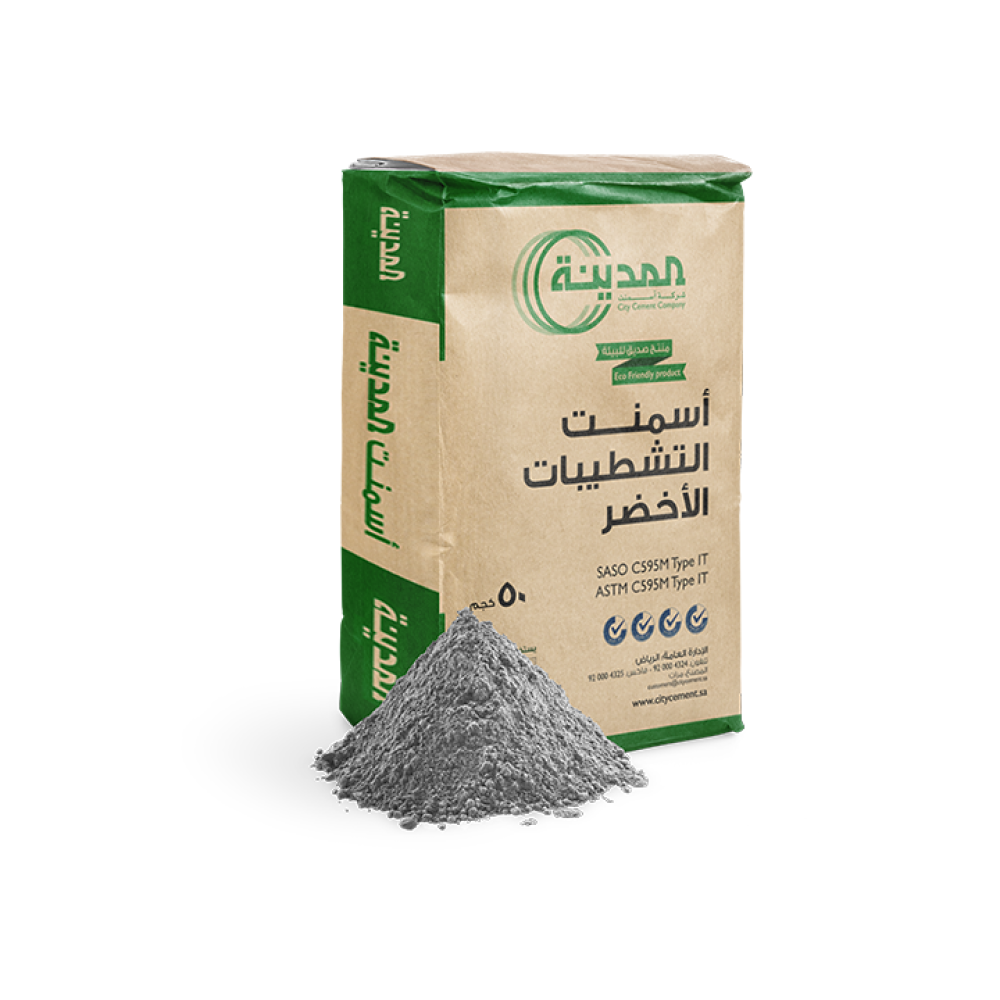
Madina Cement from Almabsat is the ideal choice for ensuring outstanding finishing work and high quality in your construction projects. This cement has exceptional durability that makes it resistant to harsh conditions and sulfates, in addition to its ability to dry quickly with less heat, which helps speed up the execution of work and ensure accuracy and quality. Thanks to its high workability, it can be applied easily in various construction projects, achieving exceptional strength and long-lasting performance, making it the first choice for those seeking the success and sustainability of their projects.
In the end, concrete remains the foundation on which every architectural ambition is built, but confronting concrete problems and their solutions with wisdom and professionalism is what sets successful projects apart from the rest. With the continuous advancement in construction techniques and the innovation of advanced solutions, any challenge can be turned into an opportunity to enhance quality and durability. So, with the right knowledge and proper application, concrete becomes not just a building material, but a foundation that ensures the solidity and stability of the future.
To buy building materials:
[[almabsat.com]]
General Disclaimer:
The information provided in this article is intended for general awareness purposes, aimed at helping readers better understand construction materials, procurement processes, and make more informed decisions. While Almabsat takes care in preparing and reviewing this content, every project is unique, and technical specifications, quantities, prices, execution methods, regulations, and manufacturer instructions may vary.
Therefore, this content should not be considered a substitute for engineering, technical, or professional consultation. It is recommended to consult engineers, consultants, and relevant authorities, and to review technical specifications and manufacturer instructions before making any design, execution, or purchasing decisions.
If this article includes any prices or price indicators, they are for guidance purposes only and may vary depending on the city, quantity, brand, purchase date, and market conditions.
If you need assistance with quantity estimation, BOQ review, or obtaining a quotation, the Almabsat team will be happy to assist you.