 Almabsat
 العربية
 English
 中文
中文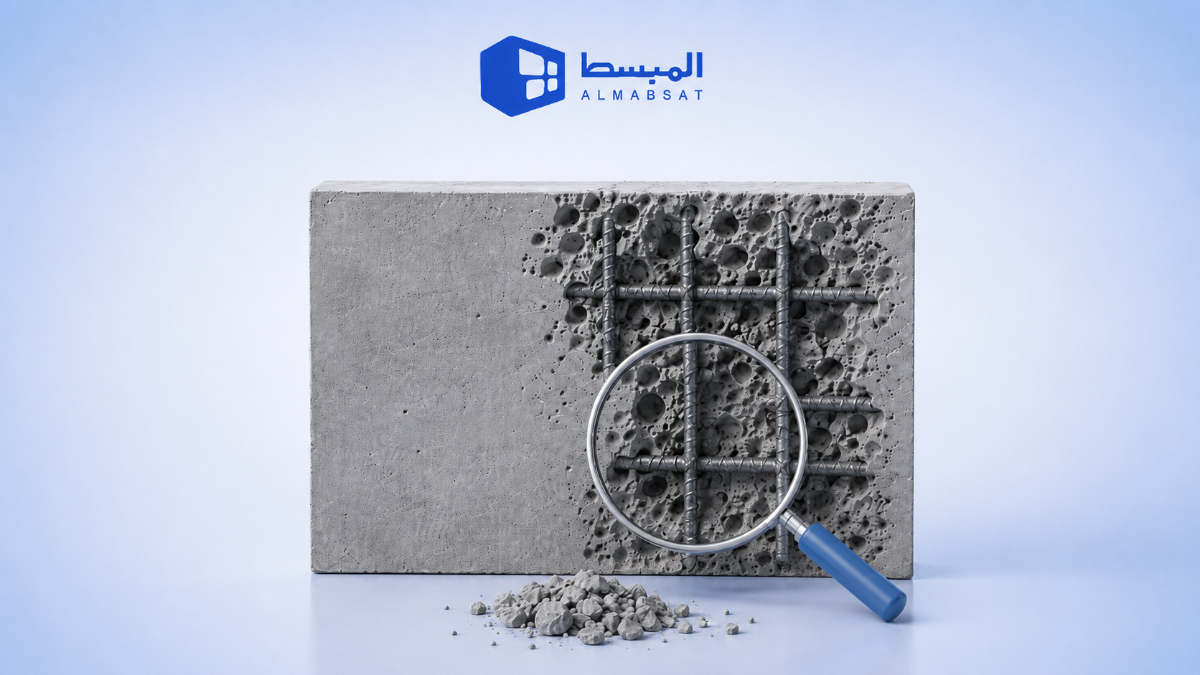
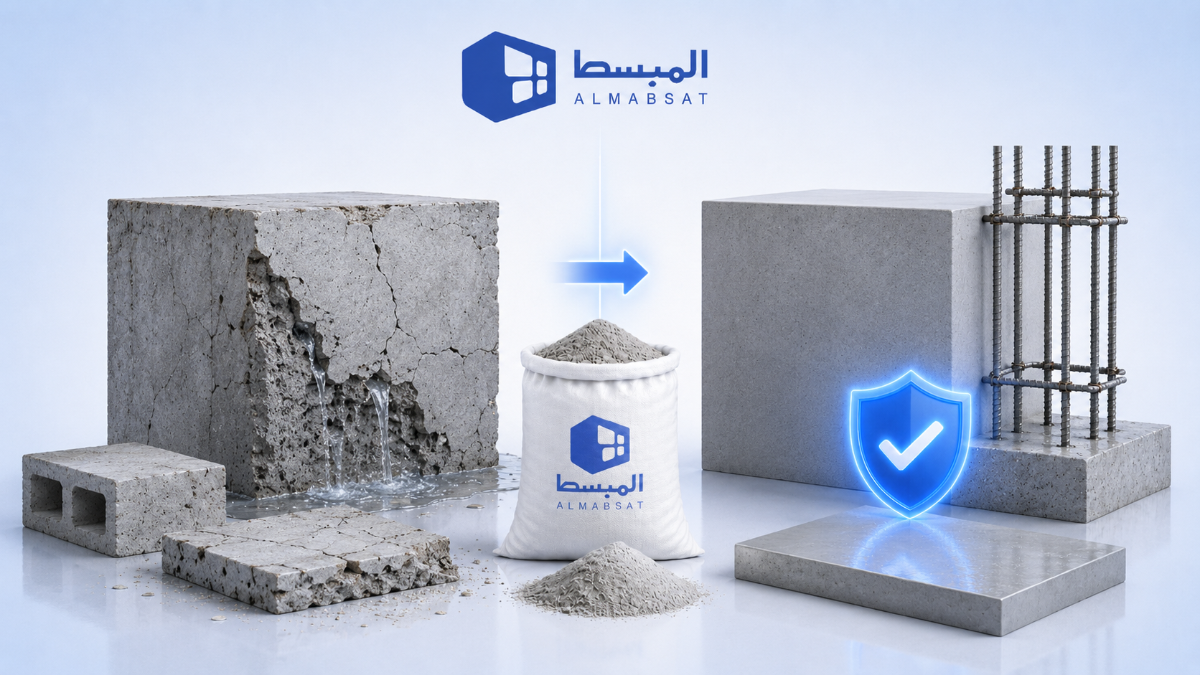
Honeycombing in concrete means the presence of voids or gaps inside the concrete after it's poured, so some areas appear as if they aren't properly filled or aren't as cohesive as required.
Honeycombing problems in concrete are among the most prominent challenges engineers and contractors may face during construction, leading to weakness in the quality of the structural frame and potentially affecting its safety and durability significantly. Honeycombing occurs when the components aren't evenly distributed within the concrete mix, causing voids in the concrete that affect its strength and its ability to withstand pressure. In this article, we'll cover the causes of this problem, its negative effects on buildings, and the methods of prevention and treatment to ensure safe, sustainable construction projects.
Understanding honeycombing problems in concrete: causes and how to avoid them
Honeycombing in concrete is one of the common problems that can significantly affect the quality of structural frames, potentially exposing the building or facility to long-term structural risks. Honeycombing occurs when the concrete components aren't evenly distributed during the pouring process, leading to voids or air pockets inside the concrete. These gaps can result in weakness in the concrete's strength and load-bearing capacity.
1. Defining honeycombing in concrete
Honeycombing is the appearance of air pockets or voids inside the concrete after it's poured. It's the result of components — such as cement, water, sand, and gravel — not being distributed uniformly. Honeycombing can occur in any part of the concrete: on the surface, between the reinforcing steel, or in hidden areas. This honeycombing exposes the structure to numerous structural and technical problems.
2. Causes of honeycombing in concrete
There are several causes that may lead to honeycombing in concrete, the most notable of which are:
- Insufficient vibration: when concrete is poured into the forms without using adequate vibration, the components aren't distributed correctly, leading to voids and air inside the concrete. Vibration is important to ensure the concrete is well consolidated around the reinforcing steel and other components.
- Non-uniform mixing: poor or non-uniform mixing of the concrete can lead to an uneven distribution of components, causing voids to appear. For example, if there's an excess of water or a shortage of fine materials such as cement or sand, this can lead to the formation of air bubbles.
- Small gravel grain size: if the gravel is too small or unsuitable for the concrete mix, this can lead to gaps between the grains, making it easier for voids or air pockets to form.
- Poor flow of concrete: when the flow of concrete during pouring is insufficient or not done correctly, the concrete may not reach all the corners and places that need coverage, leading to honeycombing in some areas.
- Use of dense or unsuitable reinforcing steel: sometimes, the use of dense reinforcing steel or steel placed too close together prevents the concrete from flowing well around it, causing honeycombing.
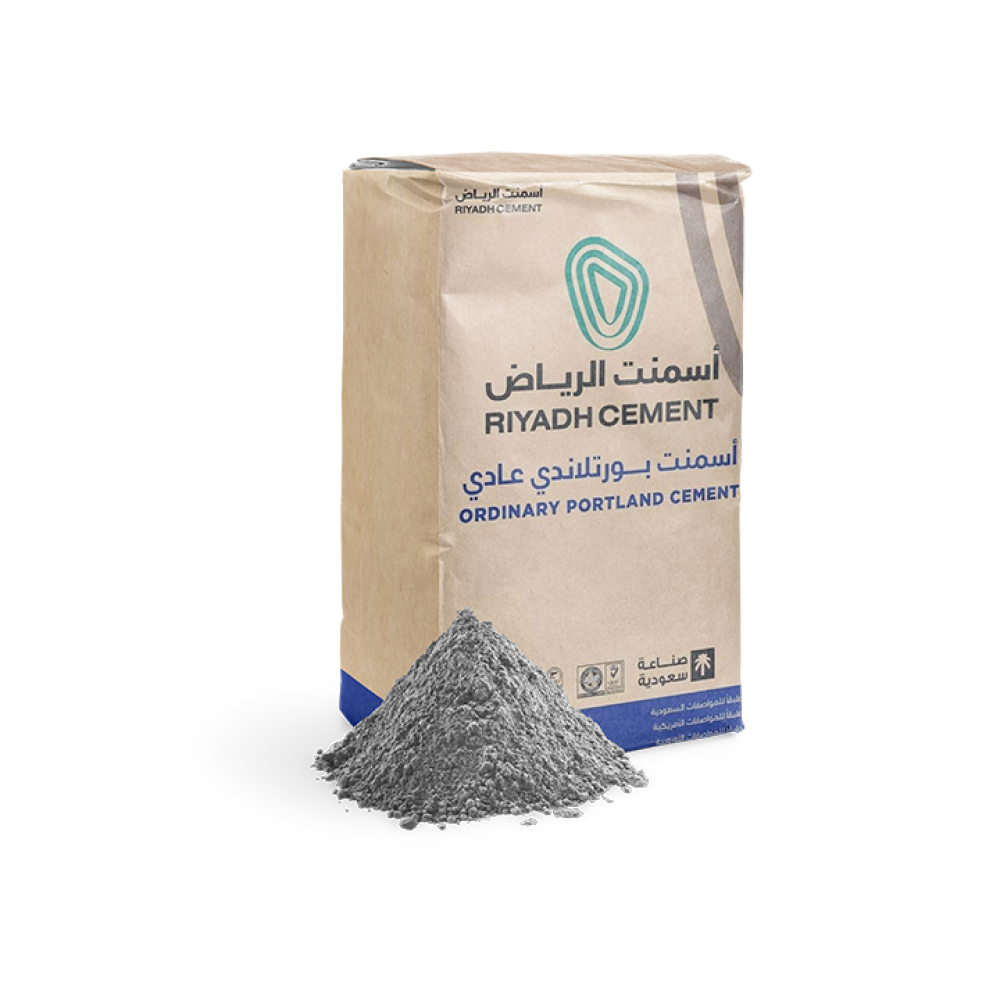
If you're looking for ordinary cement of the highest quality and ideal performance across a range of uses, don't hesitate to visit Almabsat! Riyadh Cement - Ordinary stands out as the ideal choice for ready-mix concrete, bases and foundations, manufacturing concrete pipes, and precast structures. It's also a solid foundation for making bricks and tiles. With Riyadh Cement, you can guarantee high durability and quality for your construction projects. Get it now from Almabsat.
3. Effects of honeycombing in concrete
Honeycombing has direct negative effects on the structural framework of buildings:
- Weak load-bearing strength: concrete that contains honeycombing is less able to withstand loads and pressures. The voids or gaps inside the concrete reduce its ability to resist pressure, which can lead to the collapse of the structure or to cracks over time.
- A threat to structural safety: in large structures such as bridges or multi-story buildings, honeycombing can pose a real threat to public safety if it isn't addressed — especially in places that contain dense reinforcing steel, such as columns.
- Reducing the building's lifespan: with honeycombing present, the concrete is exposed to damage due to water reacting with the improperly consolidated materials, which can lead to corrosion of the reinforcing steel over time.
- Impact on aesthetic appearance: honeycombing doesn't only affect structural strength; it can also affect the appearance of the concrete, requiring additional repairs that impact the overall aesthetics of the building.
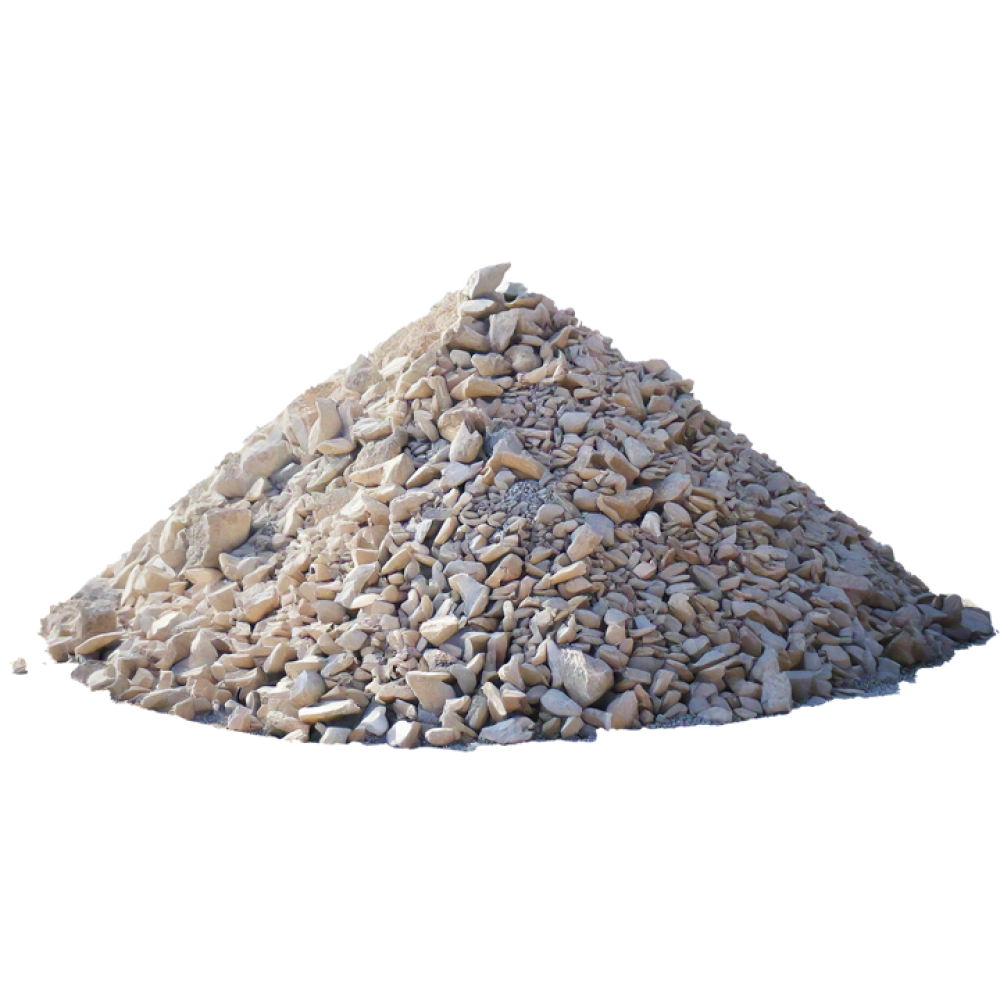
3/4 Gravel from Almabsat is the ideal choice for reinforcing foundations and bridges, as it boosts load capacity and ensures a strong, sustainable build that meets the highest quality standards. Get it now to guarantee the stability of your projects with the highest level of efficiency and durability.
4. Methods of preventing honeycombing
There are many effective methods that can reduce honeycombing problems in concrete during the pouring process:
- Using vibration correctly: good, continuous vibration during concrete pouring helps distribute the components well around the reinforcing steel and reduces the formation of air bubbles. Vibration should be used adequately, but without being excessive.
- Improving the mixing process: make sure the concrete is mixed uniformly using suitable equipment and high-quality materials. You should also ensure the components are measured accurately to avoid any excess of materials such as water or a shortage of fine materials.
- Controlling the flow of concrete: make sure the concrete flows well through the forms and reaches all the corners and important places in the structure. This can be achieved by using concrete with a suitable consistency.
- Using high-quality concrete materials: using high-quality cement and suitable gravel will help improve the overall concrete mix and reduce the likelihood of honeycombing.
- Ensuring spacing between reinforcing steel: ensuring the spacing between reinforcing steel bars and that they aren't placed too close together can help improve the flow of concrete and distribute it more evenly.
5. Methods of repairing honeycombing in concrete
If honeycombing problems in concrete are discovered after pouring, quick steps must be taken to repair it:
- Strengthening with composite materials: concrete affected by honeycombing can be strengthened using composite materials such as resins or reinforced cement.
- Re-pouring the concrete: in more serious cases, the matter may require re-pouring the concrete in the area affected by honeycombing.
- Filling: special filling materials can be used to fill the voids resulting from honeycombing, which helps restore some of the structural strength.
Honeycombing problems in concrete are among the engineering issues that must be taken into account when designing and executing construction projects. By understanding the potential causes of this problem and following appropriate prevention methods, you can reduce its negative effects and ensure the construction of strong, safe structures. Engineers and contractors must be fully aware of how to deal with this problem to ensure the project's success and its long-term sustainability.
In conclusion, honeycombing problems in concrete are an important issue that must be kept under the watch of engineers and contractors during construction, because they can directly affect the strength and safety of structures. By paying attention to how materials are distributed evenly and following best practices in mixing and pouring, these problems can be reduced significantly and the execution of constructive, durable projects can be ensured. Therefore, it's essential to adopt effective preventive solutions and follow advanced engineering methods, because avoiding honeycombing in concrete contributes to achieving a strong, safe infrastructure for the future.
To buy the various components of the concrete mix:
[[almabsat.com]]
General Disclaimer:
The information provided in this article is intended for general awareness purposes, aimed at helping readers better understand construction materials, procurement processes, and make more informed decisions. While Almabsat takes care in preparing and reviewing this content, every project is unique, and technical specifications, quantities, prices, execution methods, regulations, and manufacturer instructions may vary.
Therefore, this content should not be considered a substitute for engineering, technical, or professional consultation. It is recommended to consult engineers, consultants, and relevant authorities, and to review technical specifications and manufacturer instructions before making any design, execution, or purchasing decisions.
If this article includes any prices or price indicators, they are for guidance purposes only and may vary depending on the city, quantity, brand, purchase date, and market conditions.
If you need assistance with quantity estimation, BOQ review, or obtaining a quotation, the Almabsat team will be happy to assist you.