 Almabsat
 العربية
 English
 中文
中文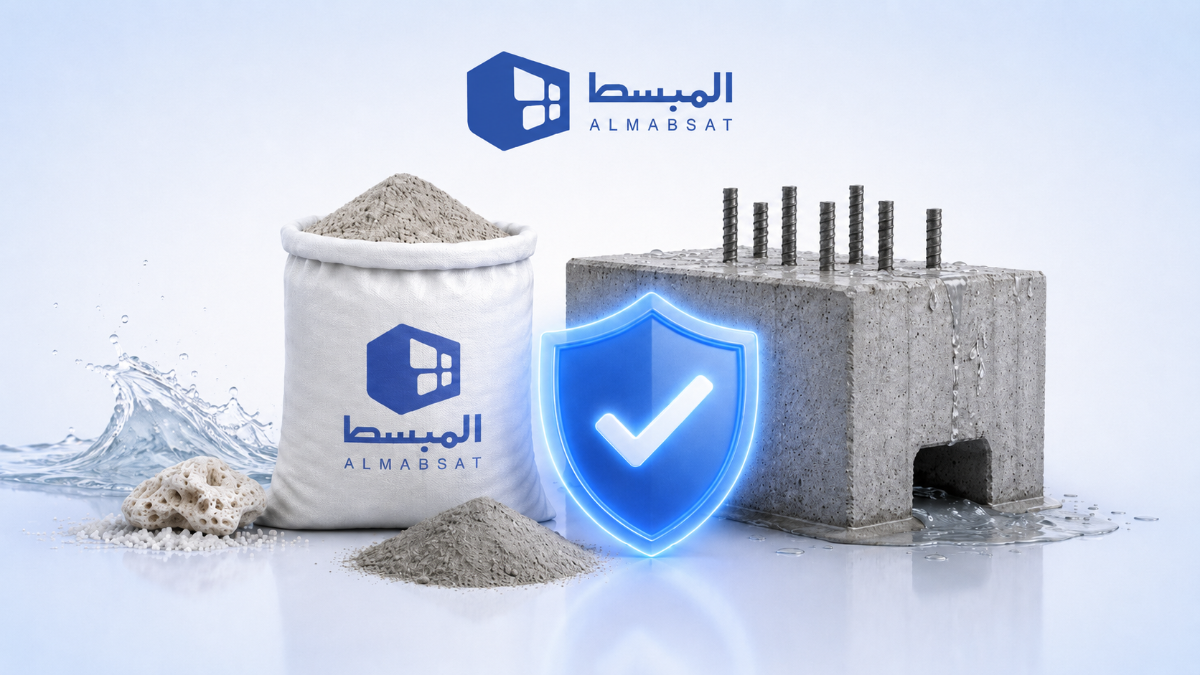
When we talk about the structural materials that guarantee the strength and durability of buildings, cement stands out as one of the most essential elements in the world of construction. But have you ever wondered about the specifications of sulphate-resistant cement and its role in boosting the solidity of structures and protecting them from corrosion?
This type of cement is the ideal choice in harsh environments exposed to high levels of sulphates, such as saline soils or coastal areas. Thanks to its unique chemical composition, it reduces the reaction of sulphates with concrete, extending its service life and preventing premature cracking and corrosion. So how does it achieve this? And what are its advantages compared to ordinary cement?
Sulphate-Resistant Cement Specifications: the secret to durable buildings in harsh environments
Sulphate-Resistant Cement (SRC) is a special type of Portland cement designed to be less affected by sulphate reactions, which can cause rapid deterioration of the concrete structure, especially in environments with soil and groundwater rich in sulphates. This type of cement is used in projects that require high resistance to chemical attack, such as marine structures, tunnels, deep foundations, and water treatment plants.
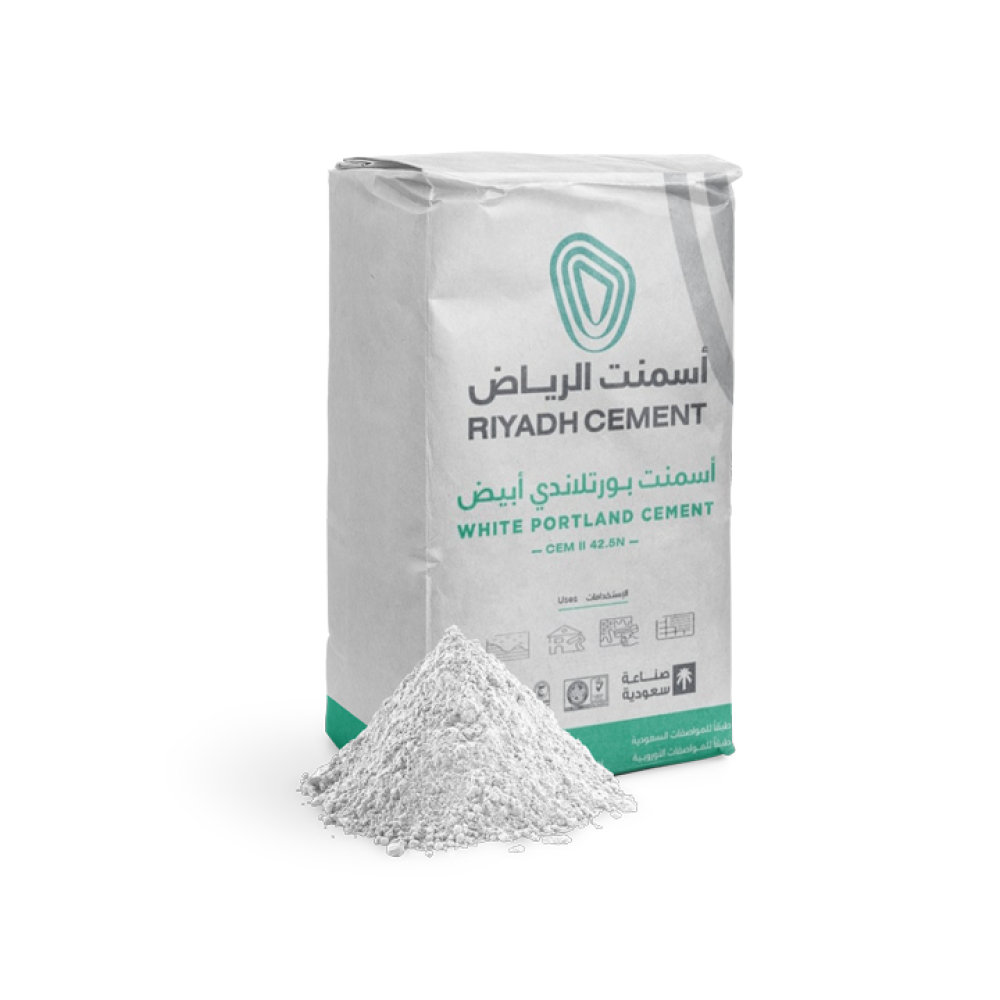
Riyadh Cement - White from Almabsat combines strength, durability, and aesthetics all at once! Ideal for use in ready-mix concrete for exceptional strength and solidity, in bases and foundations to ensure the stability of buildings, in manufacturing concrete pipes to withstand high pressures, in precast structures with high efficiency and quality, and also in bricks and tiles to add lasting high quality. Choose Riyadh Cement - White for quality that exceeds expectations and buildings that last longer.
1. Sulphate-resistant cement specifications
Sulphate-resistant cement is manufactured according to international standards such as ASTM C150 Type V or EN 197-1 CEM I-SR, ensuring it achieves high levels of resistance against the harmful effects of sulphates. Below are the most important specifications that distinguish it:
a. Chemical composition
- Low tricalcium aluminate content (C₃A): the C₃A proportion must be less than 5%, since this compound is the most reactive with sulphates.
- Increased silicate content (C₂S and C₃S): these compounds provide higher resistance to sulphates and help improve long-term strength.
- Iron oxide and magnesium oxide content: these are controlled to avoid any side reactions that could weaken the concrete's resistance to sulphates.
b. Physical properties
- Compressive strength: the compressive strength after 28 days should be in the range of 42.5 to 52.5 MPa, according to the EN 197-1 standard.
- Setting time: initial setting: no less than 60 minutes; final setting: no more than 600 minutes.
- Fineness: the fineness rate ranges between 280 and 400 m²/kg according to the Blaine Test.
- Volume stability: kept within the permissible limits to avoid cracks caused by expansion or shrinkage of the concrete.
c. Sulphate resistance
- The cement must have a low water absorption rate, which reduces the impact of sulphates.
- It resists the chemical effects of soil and water containing sulphates at concentrations of up to 5,000 - 10,000 parts per million (ppm).
2. Ideal uses of sulphate-resistant cement
This type of cement is used in many applications, most notably:
- Marine structures: such as docks, bridges, and structures close to salt water.
- Deep foundations: especially in areas where the soil contains high levels of sulphates.
- Tunnels and sewage channels: where structures are exposed to groundwater rich in sulphates.
- Water treatment plants: which contain water with high acidity or alkalinity.
- Dams and reservoirs: which are exposed to water containing soluble sulphates.
- Electricity poles and buried pipelines: which need extra protection against chemical effects.
3. Benefits and advantages
a. High chemical resistance
Thanks to the low C₃A content, the chances of harmful chemical reactions are reduced, protecting the concrete from corrosion caused by sulphates.
b. Long-term load-bearing strength
This cement provides high mechanical strength over the long term, making it ideal for permanent structures that need a long service life.
c. Reduced cracking
Since sulphate-resistant cement reduces water absorption, it also reduces the risk of cracks caused by the expansion of sulphates inside the concrete.
d. Compatible with concrete additives
Its performance can be improved by using additives such as microsilica and pozzolan, increasing the concrete's resistance to chemical and mechanical factors.
4. Factors that affect the performance of sulphate-resistant cement
There are several factors that must be taken into account to ensure the best performance of this type of cement, including:
- Water-to-cement ratio (W/C ratio): it is preferable to keep it low (less than 0.45) to limit the permeability of the concrete.
- Type of additives: additives such as silica fume and fly ash can be used to increase durability.
- Curing conditions: the concrete must be cured properly to ensure reduced porosity and increased density.
- Temperature and humidity: environmental conditions during concrete pouring must be taken into account, as high or low temperatures affect the setting process.
5. Disadvantages of sulphate-resistant cement
Despite its many benefits, it may face some challenges, such as:
- Delayed setting time compared to ordinary cement, which may affect execution speed in some projects.
- Higher production cost due to the special treatment of the raw materials used in its manufacture.
- Lower initial compressive strength compared to ordinary Portland cement, but it gains higher strength over the long term.
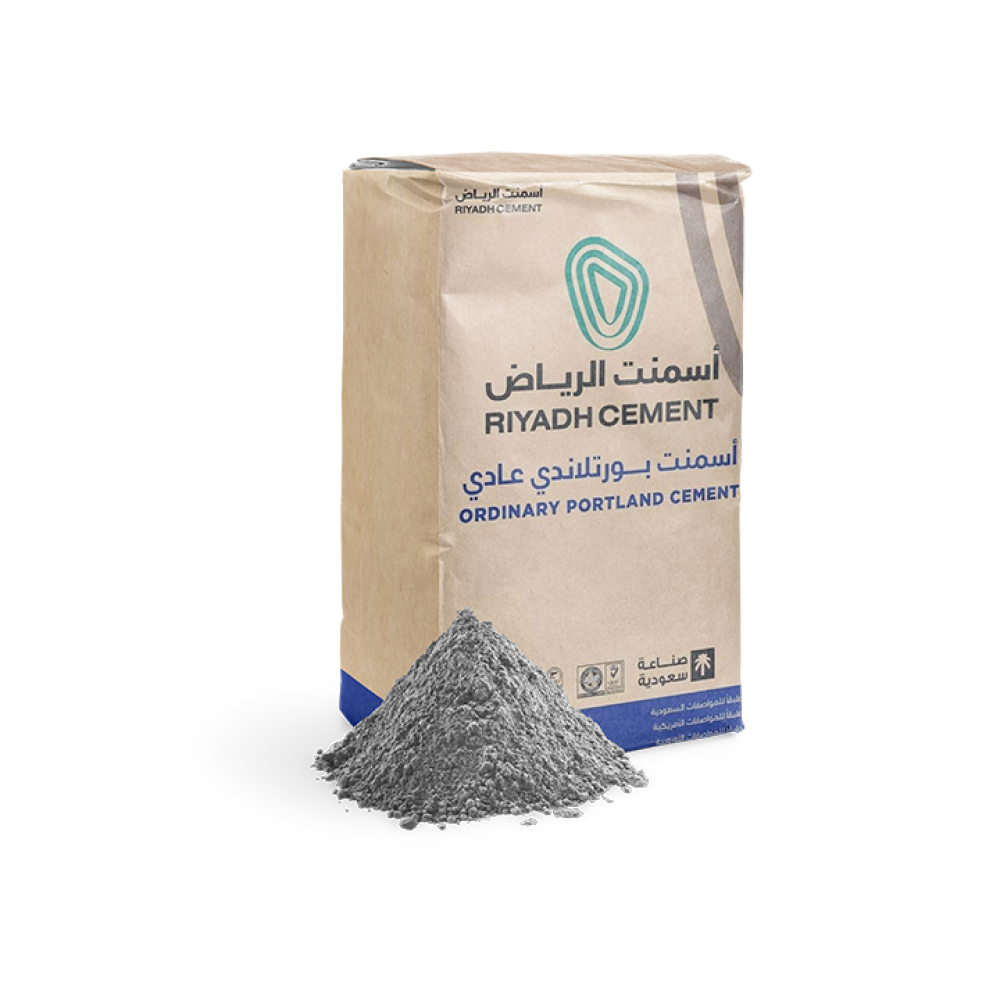
Build your projects with confidence with Riyadh Cement - Regular from Almabsat. With its high quality and durable composition, it is the optimal choice for ready-mix concrete, bases and foundations, manufacturing concrete pipes, and precast structures, in addition to its ideal use in making bricks and tiles. Get lasting strength and quality that makes a difference, because the foundation of your durability begins with Riyadh Cement - Regular.
6. Testing standards and quality control
To guarantee the quality of sulphate-resistant cement specifications, several laboratory tests are carried out, including:
- Compressive strength test according to the ASTM C109 standard.
- Sulphate reaction test using the ASTM C1012 method.
- Setting time test according to the ASTM C191 standard.
- Expansion and contraction test according to the ASTM C151 standard.
Sulphate-resistant cement is the ideal solution for projects that require high resistance to chemical factors, especially in environments rich in sulphates. Thanks to its unique chemical composition and superior physical properties, this type of cement helps extend the life of concrete structures and protect them from premature deterioration. However, it must be used according to approved engineering standards, taking into account environmental factors and pouring conditions to ensure the best possible performance.
In the end, there is no doubt that choosing the right structural materials plays a fundamental role in ensuring the durability and quality of construction, especially in harsh environments. With the specifications of sulphate-resistant cement, you can be sure of protecting concrete from corrosion and cracks caused by continuous exposure to sulphates, ensuring a longer life and more efficient performance for structures. Whether you're planning to build strong foundations or projects that span decades, this type of cement remains the optimal choice for achieving quality and sustainability.
To buy the different types of cement:
[[almabsat.com]]
General Disclaimer:
The information provided in this article is intended for general awareness purposes, aimed at helping readers better understand construction materials, procurement processes, and make more informed decisions. While Almabsat takes care in preparing and reviewing this content, every project is unique, and technical specifications, quantities, prices, execution methods, regulations, and manufacturer instructions may vary.
Therefore, this content should not be considered a substitute for engineering, technical, or professional consultation. It is recommended to consult engineers, consultants, and relevant authorities, and to review technical specifications and manufacturer instructions before making any design, execution, or purchasing decisions.
If this article includes any prices or price indicators, they are for guidance purposes only and may vary depending on the city, quantity, brand, purchase date, and market conditions.
If you need assistance with quantity estimation, BOQ review, or obtaining a quotation, the Almabsat team will be happy to assist you.