 Almabsat
 العربية
 English
 中文
中文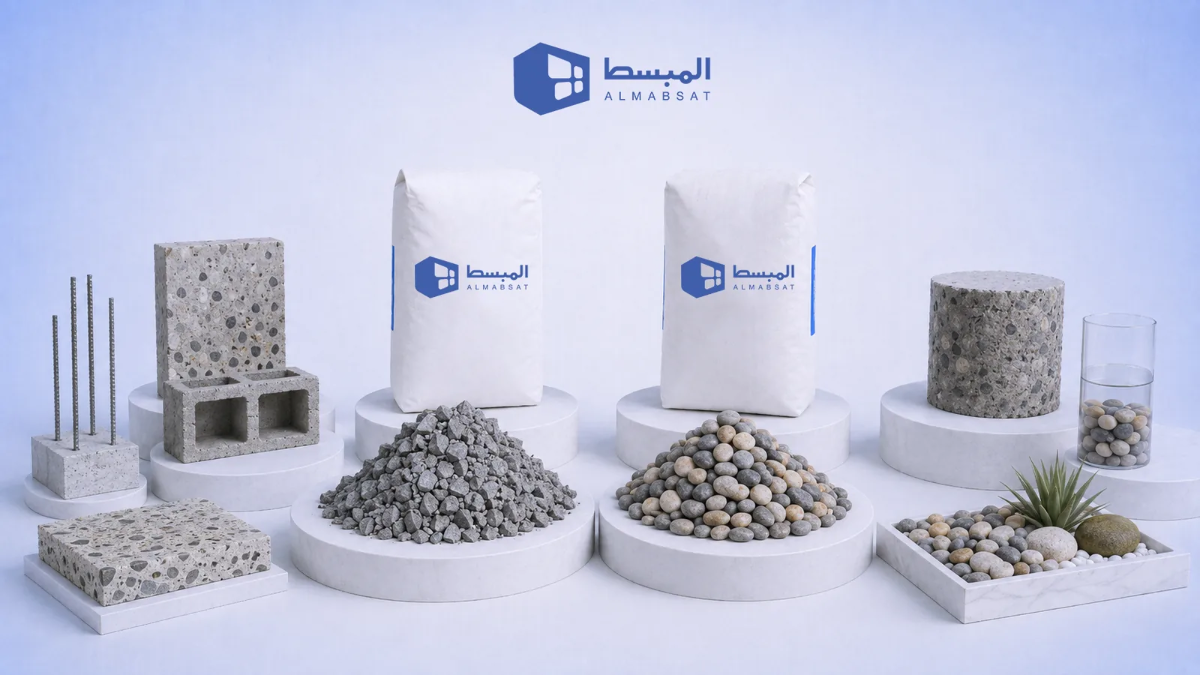
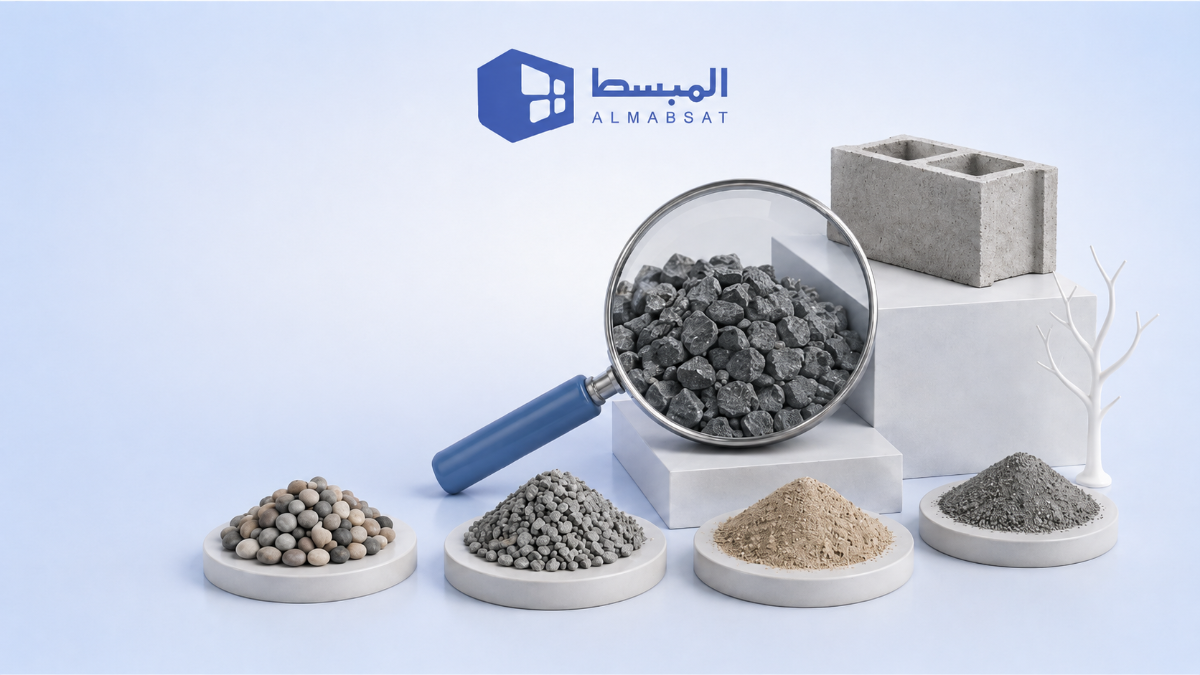
Have you ever wondered about the difference between gravel and pebbles? They may look similar at first glance, but there are real differences that make each one suitable for specific uses in construction. Gravel has a coarser size and tougher texture, making it ideal for mixing concrete and giving it the stability you need. Pebbles, on the other hand, have smaller, smoother grains — making them the ideal choice for floors or smooth surfaces that need fine, even finishes. Learn the difference and discover how to choose the right one for your building needs.
Gravel vs Pebbles: everything you need to know for a strong, reliable build
The difference between gravel and pebbles comes down to the physical properties and practical applications of each in construction. Both are used in concrete mixes, but they have different properties and uses.
1. Physical properties
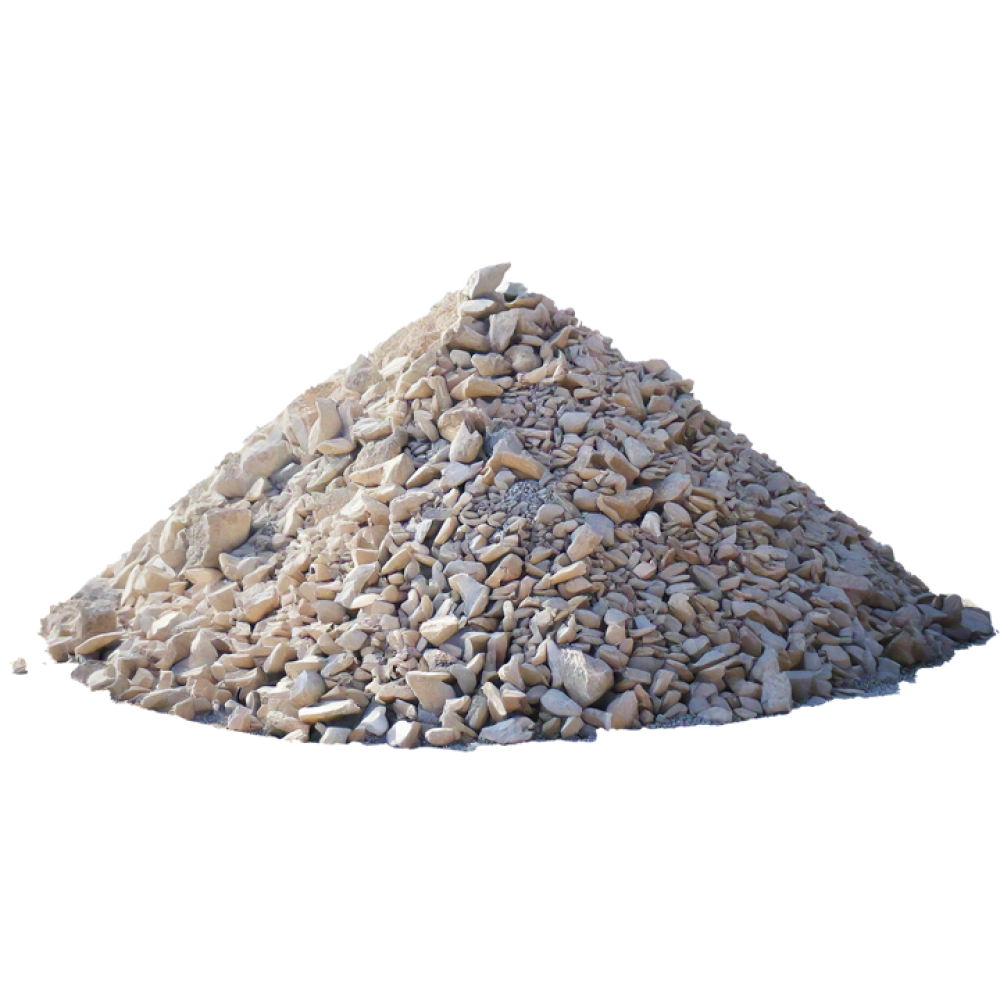
- Gravel: a building material made of rock or stone pieces in coarse to medium sizes. It has a rough texture that boosts concrete cohesion. Grain sizes typically range from 4 to 16 mm. It's mainly used in reinforced concrete and large structural elements that need stability and strength.
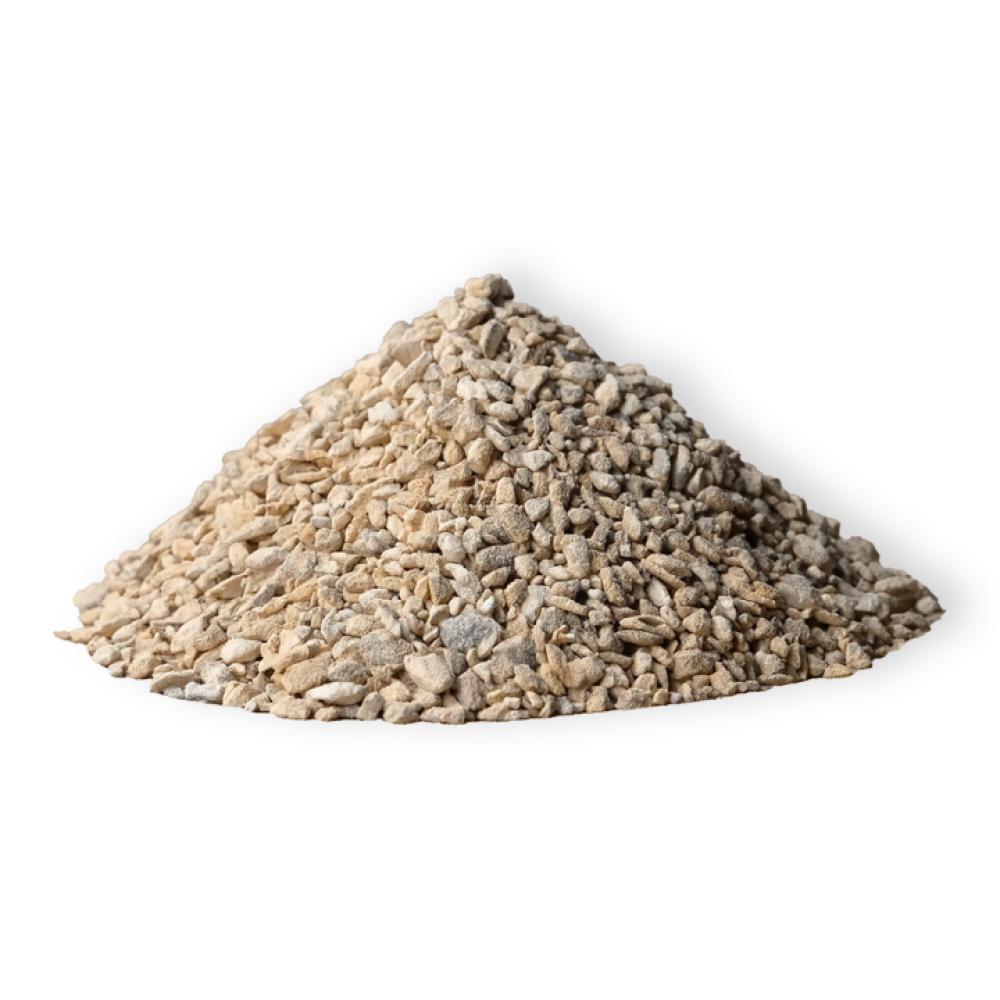
- Pebbles: rock pieces smaller and smoother than gravel — usually 2 to 4 mm. They're smoother and used in concrete types that need a polished look, or in applications that need a smooth surface layer.
Your ideal choice for strong structural support starts with 3/4 Gravel from Almabsat — specifically designed to reinforce foundations and bridges, boosting load capacity and ensuring strong, sustainable builds. With its exceptional quality and ideal size, 3/4 Gravel is your best bet for long-term stability in your construction projects.
2. Practical uses
- Gravel: used in construction applications that require strength and toughness — like foundations, reinforced concrete, and large properties. Its coarse properties make it well-suited for handling pressure and absorbing heavy loads.
- Pebbles: mainly used in concrete that needs a smooth surface, like floors or decorative surfaces. They're also sometimes used to surface yards or roads that need finer leveling.
3. Impact on concrete
- Gravel: strengthens concrete by improving cohesion between mix components and boosting long-term durability.
- Pebbles: improve the surface look of concrete and make it smoother, and can also reduce voids within the mix.
4. Cost and availability
- In many markets, gravel is more expensive due to its larger size and the crushing processes needed to produce it. Pebbles are sometimes cheaper, especially when they're abundant locally.
5. Choosing between gravel and pebbles
- Choosing between gravel and pebbles depends on the project type and its requirements. In projects that need strength and hardness — like building foundations or reinforced concrete — gravel is preferred. In cases needing a smoother look or special applications like decorative surfaces or roads, pebbles are the ideal choice.
Despite the similarities, the difference between gravel and pebbles lies in properties that significantly affect the final performance of the project.
If you're looking for the secret to precise, durable concrete, Zero Gravel from Almabsat is the ideal choice. Designed to improve cohesion and reduce voids, Zero Gravel ensures professional finishes that last. Whether you're working on precise projects or need to improve concrete quality, Zero Gravel gives you the perfect solution with exceptional results — guaranteeing strength and professionalism in every part of your work.
In the end, the difference between gravel and pebbles isn't just about size or shape — it lies in the impact each has on the durability and quality of the build. Choosing the right one between them depends on the nature of the project and its needs, making understanding these differences essential for the work's success. So before you start your next project, remember that every small detail — like the difference between gravel and pebbles — can make a big difference in the final result.
[[almabsat.com]]
General Disclaimer:
The information provided in this article is intended for general awareness purposes, aimed at helping readers better understand construction materials, procurement processes, and make more informed decisions. While Almabsat takes care in preparing and reviewing this content, every project is unique, and technical specifications, quantities, prices, execution methods, regulations, and manufacturer instructions may vary.
Therefore, this content should not be considered a substitute for engineering, technical, or professional consultation. It is recommended to consult engineers, consultants, and relevant authorities, and to review technical specifications and manufacturer instructions before making any design, execution, or purchasing decisions.
If this article includes any prices or price indicators, they are for guidance purposes only and may vary depending on the city, quantity, brand, purchase date, and market conditions.
If you need assistance with quantity estimation, BOQ review, or obtaining a quotation, the Almabsat team will be happy to assist you.