 Almabsat
 العربية
 English
 中文
中文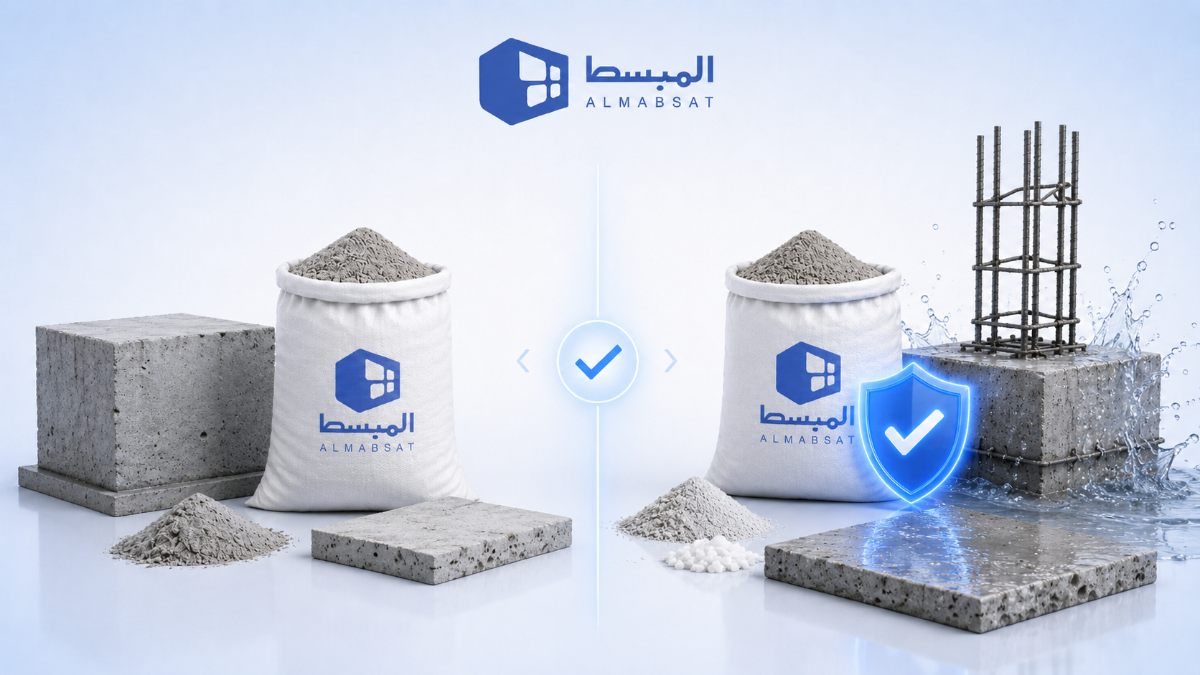
When it comes to building strong, durable structures, you have to think carefully about the quality of the materials you use — and one of the most important of these is cement. But what is the difference between sulphate-resisting cement and ordinary cement? The answer may seem obvious at first glance, but the truth is that each type has unique properties that make it best suited to certain situations. We'll take you on a journey to explore the fundamental differences between these two types of cement, and how choosing the right type can affect the quality and strength of a build over the long term.
What is the difference between sulphate-resisting cement and ordinary cement?
Knowing the difference between sulphate-resisting cement and ordinary cement comes down to the properties and uses of each type, as well as the materials added to the mix during manufacturing — which makes each type suitable for particular purposes in construction. Here's a detailed explanation of the difference between them:
1. Chemical composition
- Ordinary cement (Ordinary Portland Cement - OPC): made mainly of a mixture of limestone and clay, with a low content of materials that resist harsh environmental conditions.
- Sulphate-resisting cement (Sulphate Resisting Cement): certain materials such as alumina and magnesium are added to the composition of sulphate-resisting cement, making it more capable of resisting environmental factors that contain materials such as sulphates.
2. Resistance to environmental factors
- Ordinary cement: used in moderate, natural environments and does not stand up well to harsh environmental effects such as sulphates in groundwater or soil. For that reason, it is not preferred in areas with high proportions of sulphates or moisture.
- Sulphate-resisting cement: distinguished by its high ability to resist sulphates and other chemicals in soil or groundwater. This makes it the best option for building in areas with water or soil rich in corrosive chemicals, such as coastal land or areas near saline rivers.
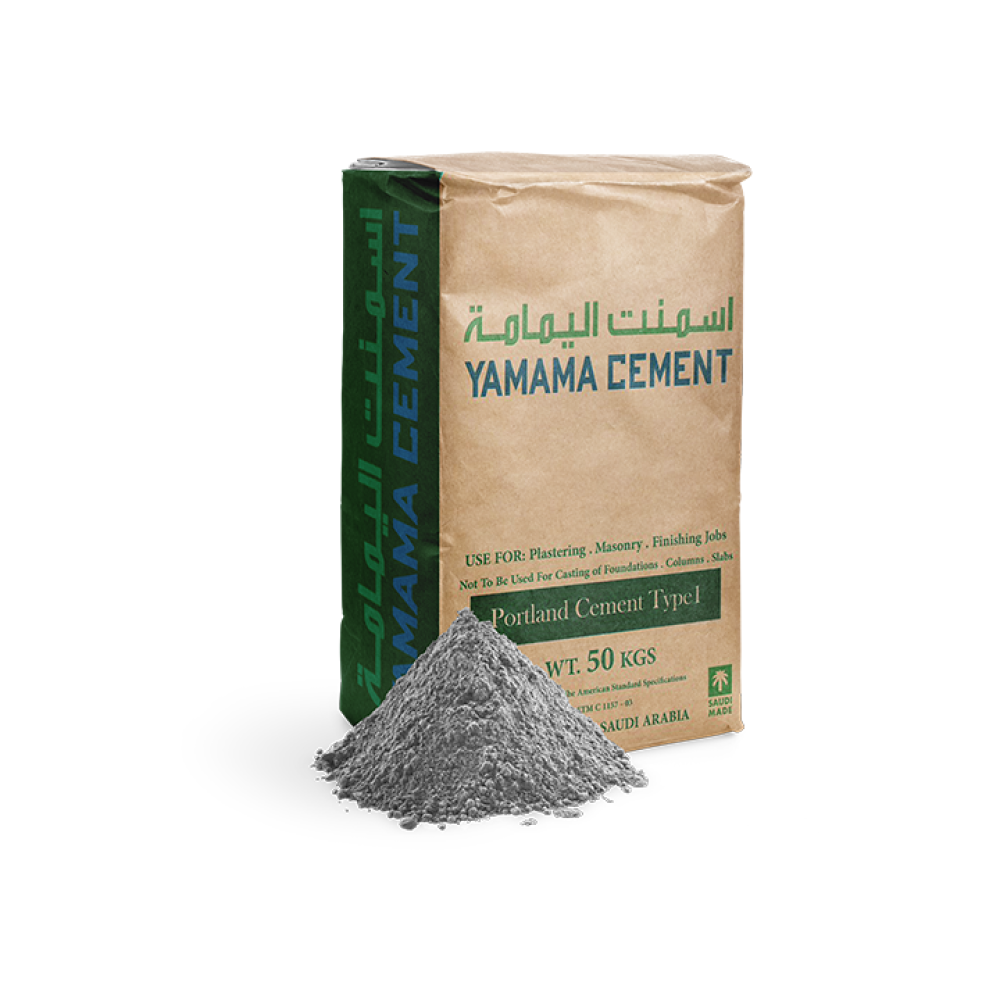
Yamama Cement - Ordinary from Almabsat is the ideal choice for building projects that combine strength and beauty. Thanks to its superior composition — containing finely ground clinker along with limestone and clay materials carrying silica, alumina, and iron oxides — it delivers ideal performance across all construction work. From solid foundations to fine finishes, Yamama Ordinary Cement gives you exceptional, long-lasting results, making it the perfect choice for building strong projects.
3. Durability and endurance
- Ordinary cement: although it is strong and reliable for use in general construction projects, its durability is not enough to resist difficult environmental conditions, such as acidic water or salts.
- Sulphate-resisting cement: sulphate-resisting cement excels at resisting the corrosion and deterioration caused by environmental factors, and is distinguished by higher durability when exposed to chemicals that could affect conventional concrete.
4. Uses
- Ordinary cement: commonly used in building ordinary structures such as walls, roofs, and foundations that are not directly exposed to harmful chemicals or contaminated soil.
- Sulphate-resisting cement: used in building structures that will face environmental challenges, such as water treatment plants, marine docks, bridges in coastal areas, and areas with high levels of sulphates in the soil.
5. Cost
- Ordinary cement: more economical compared to sulphate-resisting cement because of its simple composition and less expensive materials.
- Sulphate-resisting cement: requires a higher cost due to the added materials and special processes used in its manufacture, which raises its price compared to ordinary cement.
6. Physical properties
- Ordinary cement: distinguished by a faster drying rate, making it ideal for many projects that do not require special resistance to chemicals.
- Sulphate-resisting cement: differs in its properties, as it has greater resistance to high heat and chemical corrosion, and sometimes needs a longer time to dry completely.
7. Specialized applications
- Ordinary cement: used in everyday construction applications such as building foundations, concrete walls, floors, and pavements.
- Sulphate-resisting cement: used in projects that require high resistance against alkaline and acidic materials, such as dams, tunnels, marine bridges, and water basins.
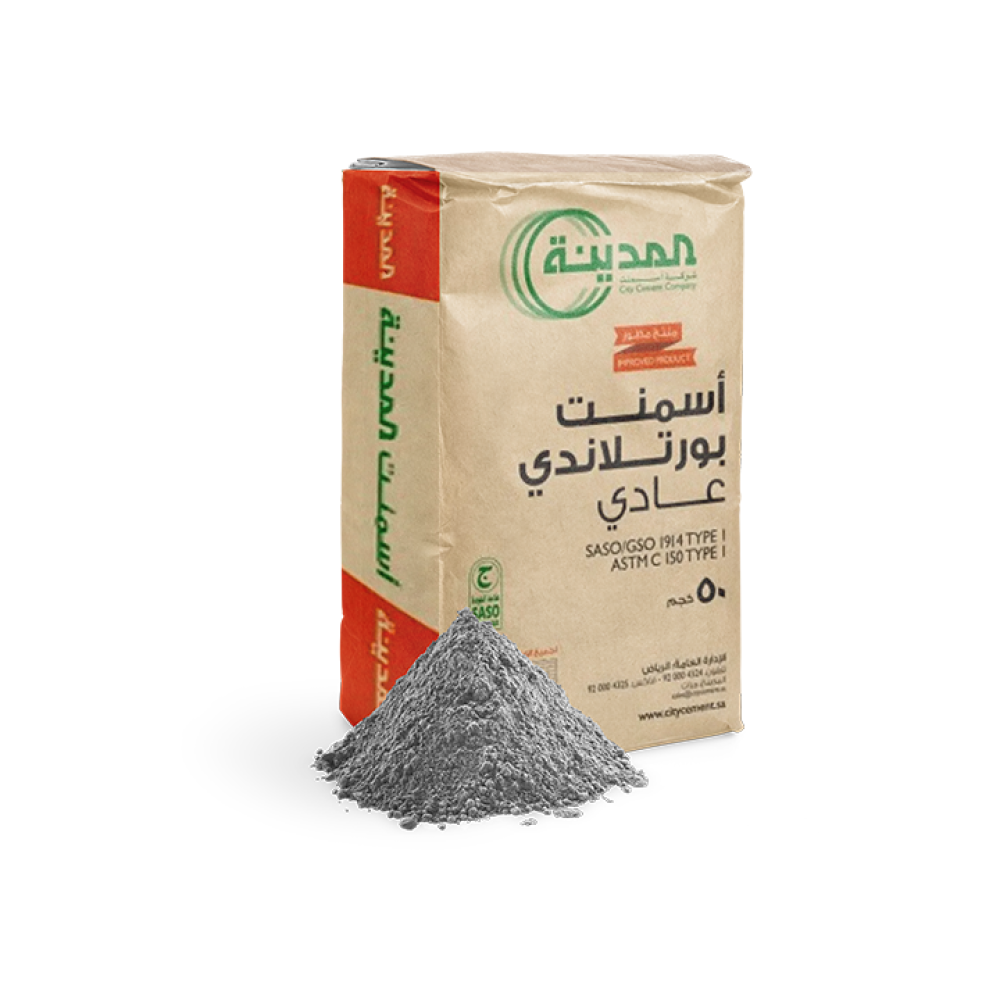
Madina Cement - Ordinary from Almabsat is distinguished by its high quality and outstanding ability to adapt to various construction work, such as concrete work, restoration, and projects large and small alike. Thanks to its components, Madina Ordinary Cement guarantees ideal, long-lasting results, enhancing the strength and durability of the structure with the highest levels of safety and reliability. Choosing it means building the future in trustworthy hands, with guaranteed sustainability and excellence in every project you carry out.
The key to knowing the difference between sulphate-resisting cement and ordinary cement lies in their ability to resist harsh environmental factors. While ordinary cement is used in most general construction applications, sulphate-resisting cement is preferred for environments that contain harsh chemicals such as sulphates. The choice between the two types depends mainly on the nature of the environment and the construction project.
To wrap up our discussion, we have reviewed the main differences between sulphate-resisting cement and ordinary cement, and how choosing the right type can significantly affect the durability and quality of structures. While ordinary cement offers good performance in simple applications, sulphate-resisting cement provides exceptional protection against harsh environmental factors, making it the better choice in many construction projects. So always remember that a deep understanding of the difference between sulphate-resisting cement and ordinary cement will ensure you make the best decision for your project, laying a strong foundation for a strong, safe building future.
To buy the components of ordinary and sulphate-resisting cement:
[[almabsat.com]]
General Disclaimer:
The information provided in this article is intended for general awareness purposes, aimed at helping readers better understand construction materials, procurement processes, and make more informed decisions. While Almabsat takes care in preparing and reviewing this content, every project is unique, and technical specifications, quantities, prices, execution methods, regulations, and manufacturer instructions may vary.
Therefore, this content should not be considered a substitute for engineering, technical, or professional consultation. It is recommended to consult engineers, consultants, and relevant authorities, and to review technical specifications and manufacturer instructions before making any design, execution, or purchasing decisions.
If this article includes any prices or price indicators, they are for guidance purposes only and may vary depending on the city, quantity, brand, purchase date, and market conditions.
If you need assistance with quantity estimation, BOQ review, or obtaining a quotation, the Almabsat team will be happy to assist you.