 Almabsat
 العربية
 English
 中文
中文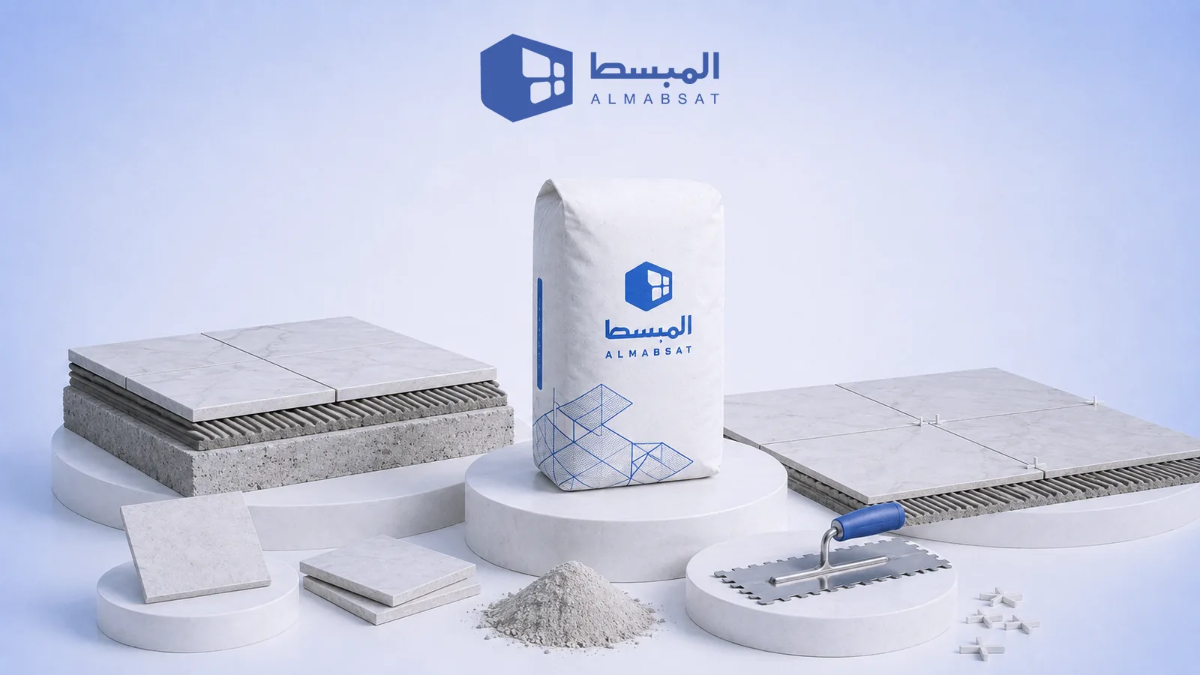
When planning a ceramic tile project — whether for floors or walls — choosing the right cement for ceramic tile installation is essential for the best results. Ceramic isn't just a decorative surface; it needs a strong, reliable base to keep it looking great and performing for years. So what's the ideal cement to bond ceramic tiles firmly in place? Read on to learn how to pick a cement that meets your needs and delivers outstanding results.
A perfect tile installation starts with the right cement
When installing ceramic tiles in homes or commercial spaces, the right cement is one of the key factors behind a successful project and lasting durability. Ceramic isn't just a decorative material — it's a material that needs a strong, solid base to stay firm and rigid over time.
Why the right cement matters
The cement used for tile installation directly affects how well the tiles bond to the surfaces underneath. The cement fills gaps between tiles and creates a strong layer that protects them from external influences like moisture or excessive movement.
If you're looking for a cement that delivers unmatched strength and stability in your projects, Riyadh Cement — Ordinary from Almabsat is the ideal choice. It's exceptional at handling high pressures, making it perfect for ready-mix concrete, bases, and foundations that need toughness and stability. It's also used in producing concrete pipes and precast structures, giving you a strong, reliable build. On top of that, it's an excellent base for producing bricks and tiles, ensuring precise, durable results. With Riyadh Cement — Ordinary, every project starts on a solid, lasting foundation.
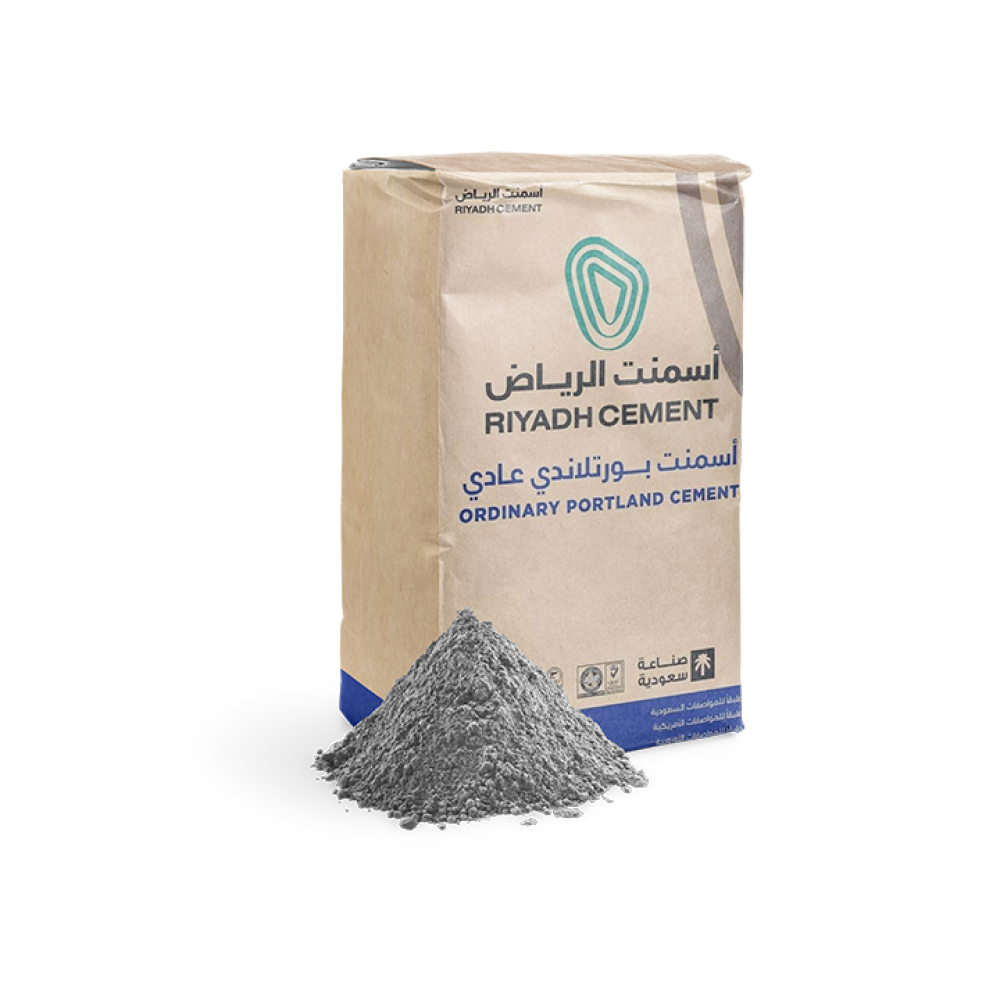
Types of suitable cement
- Ordinary cement: typically used for installing tiles on flat, dry surfaces. It provides good adhesion and properly fills gaps, but it may not be the best option in places exposed to harsh conditions like high moisture or fluctuating temperatures.
- Moisture-resistant cement: for wet areas like bathrooms and kitchens, you should use a moisture-resistant cement. This type improves the tile's ability to stay firmly bonded under high moisture, preventing water from seeping behind the tiles and damaging them.
- Cement with additives: some cement types include additives like polymers that give it extra strength and flexibility. These are ideal for installing tiles in areas needing more cohesion, like heavy-traffic floors or surfaces under heavy loads.
How to use cement correctly
It's important to keep the water-to-cement ratio balanced — too much water weakens the cement and makes it prone to cracking over time. The cement mix should also be prepared carefully: mix it thoroughly to get the ideal consistency that's easy to apply and produces the required cohesion.
The cement's impact on tile lifespan
Choosing the right cement directly affects how long the tiles last and how they look over time. When tile-specific cement is used correctly, it reduces the cracks and gaps that can appear over time, ensuring beautiful finishes that last longer.
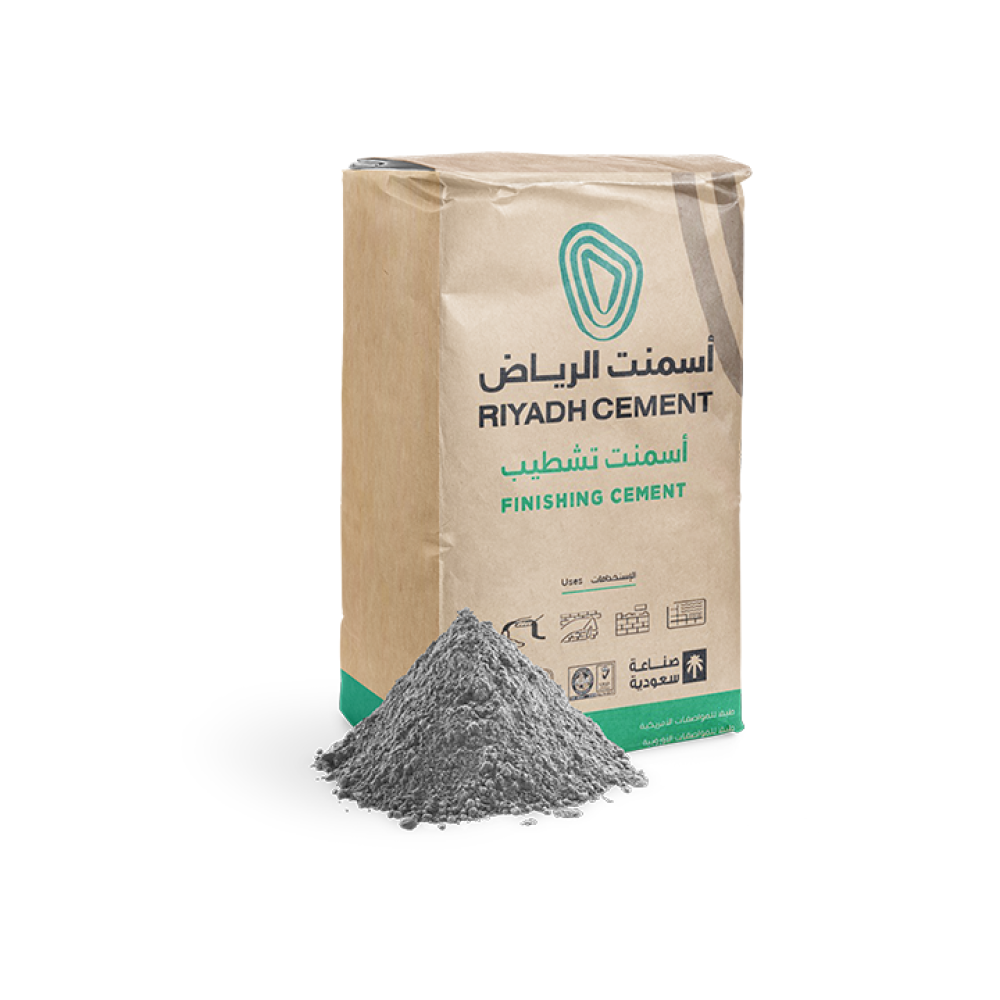
Looking for top-tier construction materials? Riyadh Cement — Finishing from Almabsat is the unmatched choice for getting the best results in every project. This cement is ideal for producing smooth, precise surfaces, ensuring professional, polished finishes that add a beautiful touch to every corner. It's also essential for leveling before tile installation, providing strong cohesion and stability. With its great performance in preparing cement mortar, you can build durable, sustainable layers — so every project rests on a solid, fresh foundation. Make your project stand out with Riyadh Cement — Finishing from Almabsat.
In the end, choosing the right cement for tile installation is a fundamental step for the success of any tiling project. Picking the correct type lets every other detail come together perfectly, ensuring stable, attractive surfaces for years to come. Always make sure to choose the right cement for exceptional results.
To buy the right cement for ceramic tiles:
[[almabsat.com]]
General Disclaimer:
The information provided in this article is intended for general awareness purposes, aimed at helping readers better understand construction materials, procurement processes, and make more informed decisions. While Almabsat takes care in preparing and reviewing this content, every project is unique, and technical specifications, quantities, prices, execution methods, regulations, and manufacturer instructions may vary.
Therefore, this content should not be considered a substitute for engineering, technical, or professional consultation. It is recommended to consult engineers, consultants, and relevant authorities, and to review technical specifications and manufacturer instructions before making any design, execution, or purchasing decisions.
If this article includes any prices or price indicators, they are for guidance purposes only and may vary depending on the city, quantity, brand, purchase date, and market conditions.
If you need assistance with quantity estimation, BOQ review, or obtaining a quotation, the Almabsat team will be happy to assist you.