 Almabsat
 العربية
 English
 中文
中文Dash Coat Mix
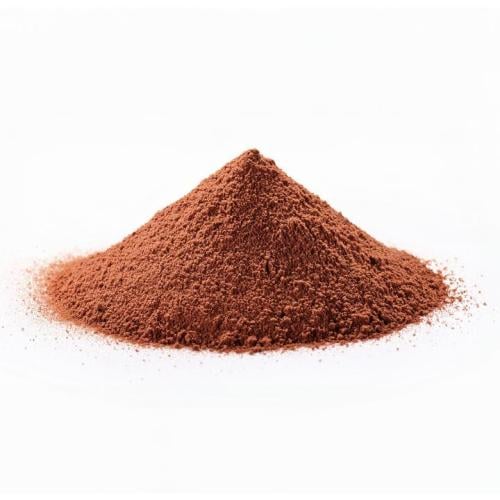
A mix sprayed on walls as a first layer before plastering to improve adhesion.
Usage
Dash coat is used as a base layer sprayed on block walls before plastering. It creates a rough surface that helps plaster adhere firmly to the wall. It is an essential step that cannot be skipped in finishing work.
Key Features
- Improves plaster adhesion to walls
- Ready mix, easy to use
- Essential for all plastering work
- Available by bag and load
Available Sizes & Packaging
Specifications & features
- Fine sand with an even grain size for uniform spraying
- Free of impurities that would mar the finish
- Produces a rough, well-bonded surface that lasts for years
- Resists weathering and extreme heat; economical vs other finishes
Main uses
- Finishing exterior facades of residential buildings
- Exterior walls of commercial and industrial facilities
- Re-finishing and restoring old facades
- Finishing boundary walls and fences
Frequently Asked Questions
Can plaster be applied without a dash coat?
This is never recommended. Dash coat is necessary to ensure plaster adhesion to the wall. Without it, plaster will crack and fall off over time, causing costly maintenance problems.
How long does dash coat need to dry before plastering?
Dash coat needs at least 24 hours to dry before starting plaster work. In Saudi Arabia's hot weather it may dry faster, but waiting a full day is recommended to ensure complete bonding.
What is dash coat and how is it used?
A mix of fine sand, cement and water sprayed onto exterior walls to give a rough, textured surface — a first layer that improves plaster adhesion.
Which sand suits dash coat work?
Clean, fine sand free of impurities, with an even grain size that ensures uniform spraying and coverage.