 Almabsat
 العربية
 English
 中文
中文White Masonry Sand
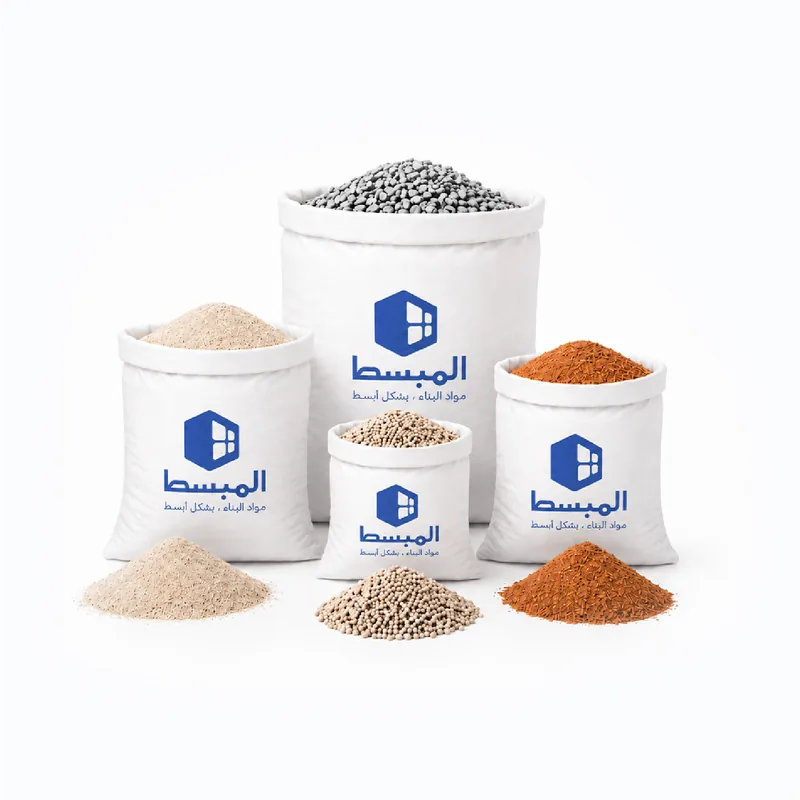
White masonry sand for general construction. Used in mortar mixes for wall construction and concrete work. Available in multiple delivery options from bags to trucks.
Usage
White masonry sand is used in mortar mixes for block and brick wall construction. It is also used in lightweight concrete mixes and utility installations. One of the most demanded sand types in Saudi construction projects.
Key Features
- Suitable for mortar mixes and general construction
- Clean and sieved with excellent quality
- Available by bag, load, or truck
- Delivery to all Riyadh areas
Available Sizes & Packaging
Specifications & features
- High purity with low levels of harmful salts and chlorides
- Clean, even grains suited to high-specification concrete
- Safe for reinforced concrete — does not corrode rebar
- Delivers strong, durable concrete in the Saudi climate
Main uses
- Reinforced concrete for foundations, columns and slabs
- Structural work requiring high-specification concrete
- Infrastructure, road and bridge projects
- Construction in coastal and humid environments
Frequently Asked Questions
What's the difference between white sand and plastering sand?
White sand is coarser and used in mortar mixes for wall construction and concrete work. Plastering sand is finer and washed, used in plastering and finishing for a smooth surface.
How much white sand do I need to build a villa?
The quantity depends on building area and wall height. As a rule of thumb, a medium-sized villa (300-500 sqm) needs about 3-5 truckloads of white sand. Share your project plans with us for an accurate calculation.
Are flexible delivery options available for sand?
Yes, we offer bag delivery for small quantities, load delivery for medium quantities, and full truck delivery for large projects. Delivery is available to all Riyadh neighborhoods and surrounding areas.
What is white sand used for?
Concrete mixing and precision structural work — preferred where high-specification concrete is required.
Why use white sand in reinforced concrete?
It is purer, with lower salt and chloride content than coloured sand, making it safer for rebar and stronger concrete.