 Almabsat
 العربية
 English
 中文
中文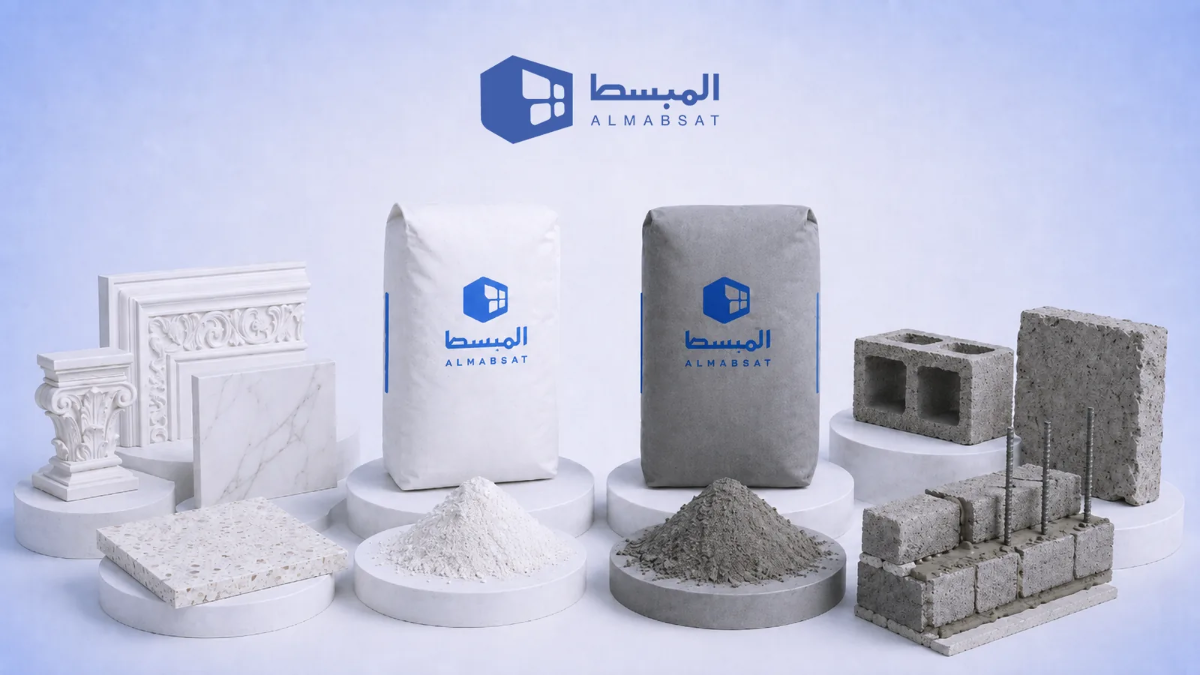
When we talk about construction materials, cement is the cornerstone of building all kinds of structures — it's the material that gives strength and durability to any structure. But with so many types of cement, an important question comes up: what's the difference between white and grey cement, and does the color difference reflect deeper differences in composition and use? In reality, the differences go beyond appearance, covering physical properties, raw materials, and manufacturing methods — meaning each type has specific uses where it shines. Let's uncover the secrets of white and grey cement so you can choose the right type for your project, whether you need raw strength or a refined aesthetic touch.
The difference between white and grey cement
Cement is one of the most important materials that shaped modern civilization. It's the main component of concrete, used in building homes, bridges, roads, and even skyscrapers. But did you know cement isn't a single type? There are many varieties, and the most famous are white cement and grey (often called "black") cement. The difference may seem simple at first glance, but it reflects significant differences in chemical composition, uses, and even cost. Let's dig deeper into the world of cement to understand the difference between white and grey cement.
1. Chemical composition: what makes the color different?
The main difference between white and grey cement lies in the chemical composition of the raw materials used in their manufacturing.
- Grey (ordinary) cement:
- Made from limestone and clay, with a high percentage of iron oxide (Fe2O3) and magnesium oxide (MgO) — the materials that give it its grey-to-dark color.
- These materials are heated in kilns at temperatures reaching around 1,450°C, then ground into a fine powder.
- White cement:
- Unlike grey cement, white cement is made from raw materials with very low iron oxide and magnesium oxide content — such as kaolin (white clay) and pure limestone.
- Gypsum is added to improve its brightness and whiteness, making it purer and more visually appealing.
2. Uses: where is each type used?
Differences in chemical composition lead to differences in use. Each type has properties that make it suitable for specific purposes.
- Grey cement:
- Mainly used in general construction work like building walls, columns, and foundations.
- It's the best choice for large projects requiring high durability and strength, like bridges and roads.
- Because of its dark color, it isn't typically used in aesthetic work like interior decoration or facades.
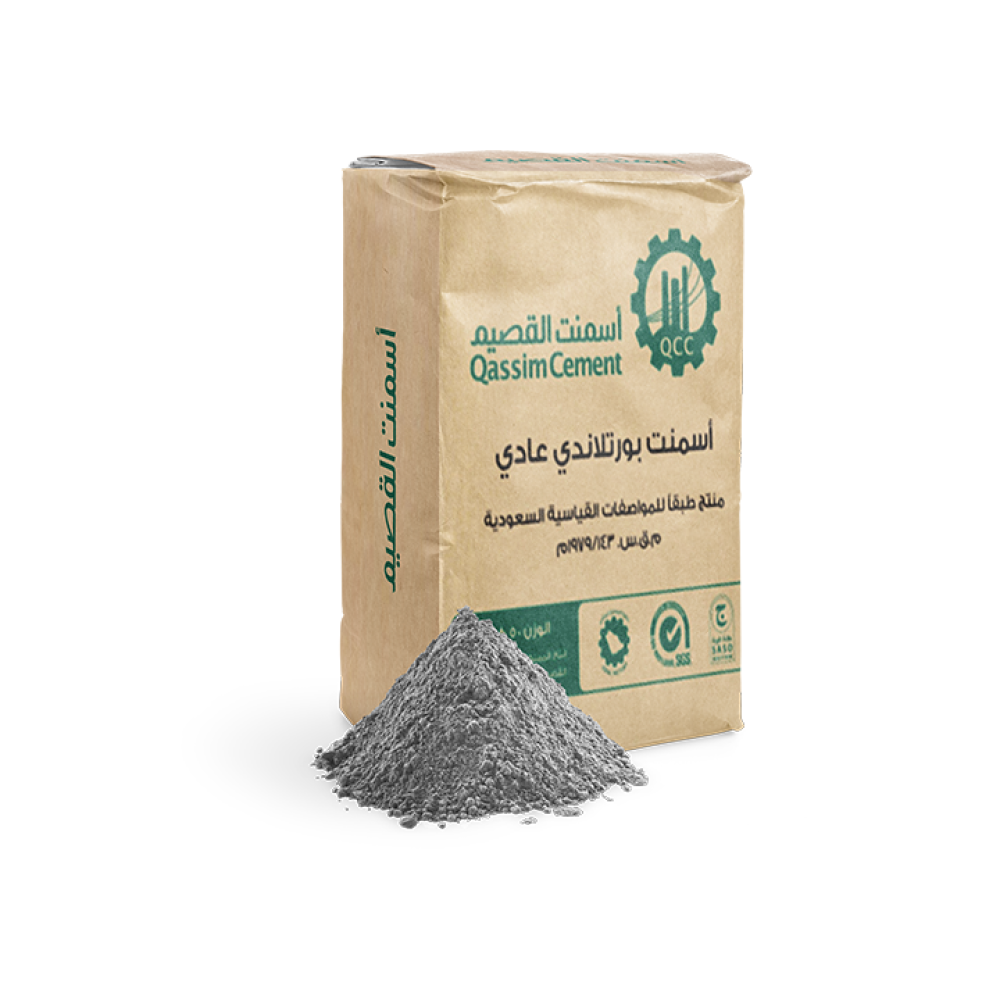
When you need strength and toughness, there's no substitute for Qassim Cement — Ordinary from Almabsat. Whether you're working with ready-mix concrete, structural frames, beams and columns, or foundations, it delivers unmatched stability. It's also ideal for concrete pours, tile installation, and brick production — making it the core foundation for every successful construction project.
Order it now from Almabsat and start building a stronger future.
White cement:
- Used in projects requiring high aesthetics, such as exterior facades, floors, and artistic work.
- Preferred for producing tiles and artificial marble, giving a bright white finish.
- Also used in restoration and interior decor work, especially in places needing strong lighting and good light reflection.
3. Durability and strength: which is stronger?
While white and grey cement are similar in basic strength, there are some minor differences:
- Grey cement:
- High load-bearing capacity, especially under harsh environmental conditions like heavy rain or high temperatures.
- Considered more suitable for projects needing long-term durability.
- White cement:
- Has roughly the same strength, but may be slightly less resistant to weather compared to grey cement.
- Preferred for indoor spaces or areas not exposed to harsh weather.
4. Cost: why is white cement more expensive?
If you're wondering why white cement is more expensive than grey cement, the answer comes down to several factors:
- Raw material purity: the materials used to make white cement are purer and less available, driving up cost.
- Manufacturing process: producing white cement requires more complex processes, like using special kiln fuel to avoid ash contamination.
- Aesthetic value: because of its decorative and artistic uses, white cement is considered relatively premium.
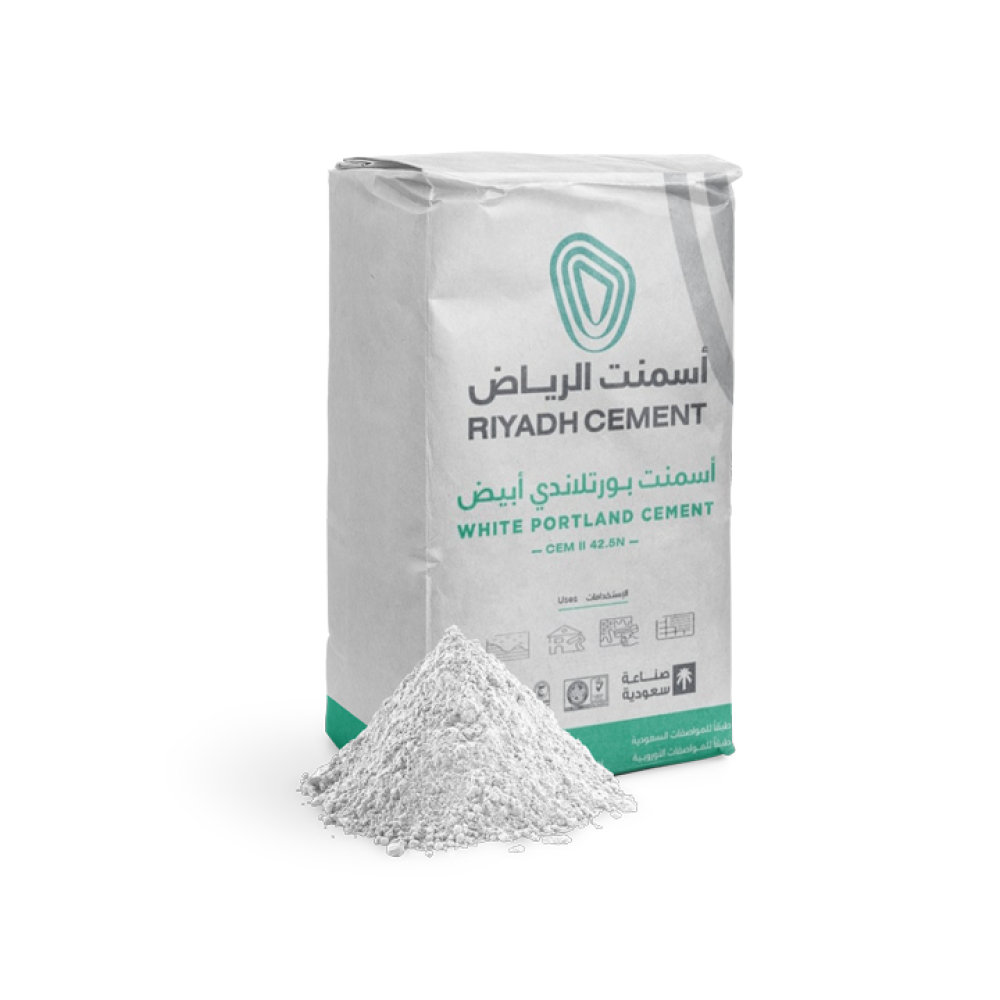
When you're after durability and beauty at the same time, Riyadh Cement — White from Almabsat is your ideal choice. It's used in ready-mix concrete, sturdy foundations, strong concrete pipes, high-quality precast structures, and the production of bricks and tiles — giving your projects a touch of strength and elegance in every detail. Order it now from Almabsat and enjoy a solid foundation that lasts.
5. Aesthetic differences: why does color matter?
Color isn't just an aesthetic question — it can affect lighting and the overall look of a space:
- Grey cement: gives a strong, robust feel, but can make a space look darker if used in interior decor.
- White cement: reflects light better, making it ideal for spaces needing strong natural or artificial lighting.
6. Sustainability and environment: which is more eco-friendly?
In recent years, sustainability has become an important factor in choosing building materials. Here we note that:
- Grey cement: requires high energy to produce due to the high kiln temperatures, increasing carbon emissions.
- White cement: although its production requires more complex processes, some studies suggest it may be less harmful to the environment thanks to the purity of the raw materials used.
The difference between white and grey cement isn't just color — it's a difference in chemical composition, uses, cost, and even environmental impact. While grey cement is the ideal choice for large construction projects needing durability and strength, white cement is the perfect choice for projects needing aesthetic flair and elegance. In the end, choosing the right type depends on your project's nature and budget.
To buy white or grey cement:
[[almabsat.com]]
General Disclaimer:
The information provided in this article is intended for general awareness purposes, aimed at helping readers better understand construction materials, procurement processes, and make more informed decisions. While Almabsat takes care in preparing and reviewing this content, every project is unique, and technical specifications, quantities, prices, execution methods, regulations, and manufacturer instructions may vary.
Therefore, this content should not be considered a substitute for engineering, technical, or professional consultation. It is recommended to consult engineers, consultants, and relevant authorities, and to review technical specifications and manufacturer instructions before making any design, execution, or purchasing decisions.
If this article includes any prices or price indicators, they are for guidance purposes only and may vary depending on the city, quantity, brand, purchase date, and market conditions.
If you need assistance with quantity estimation, BOQ review, or obtaining a quotation, the Almabsat team will be happy to assist you.