 Almabsat
 العربية
 English
 中文
中文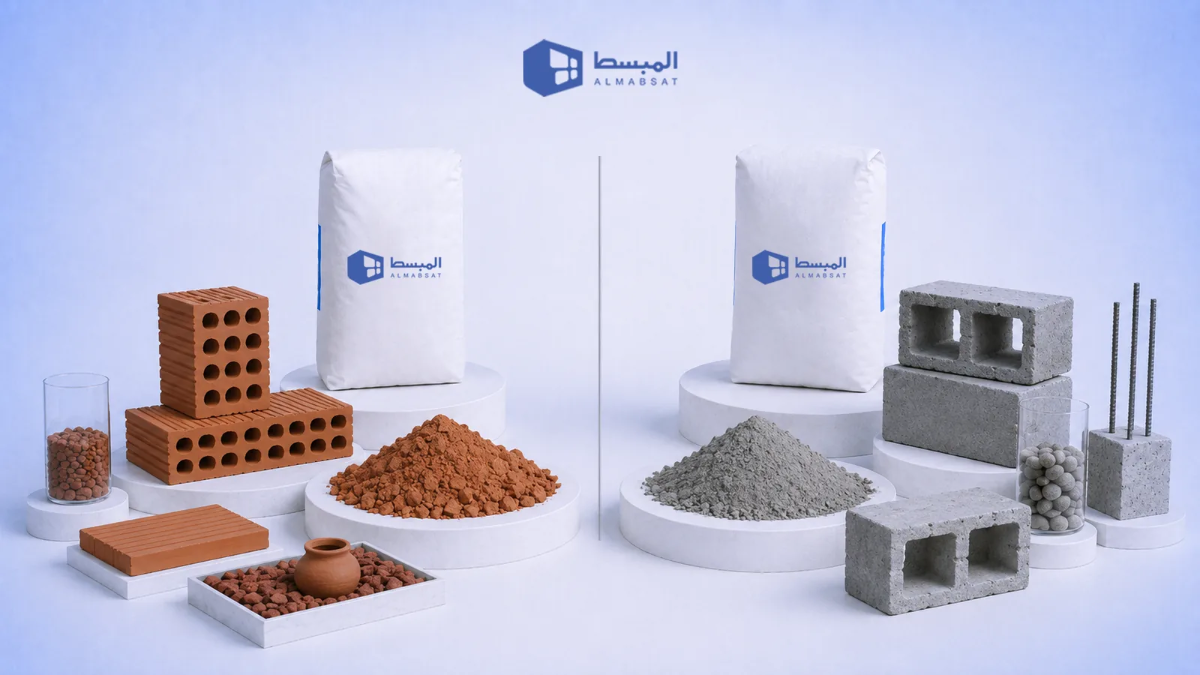
When it comes to construction, choosing the right materials is a critical step that significantly affects the quality and effectiveness of the project. Among the available options, one question stands out: what is the difference between red brick and cement block? In this guide, we'll dive into the details of these two types of block to find out which is best for your needs. Each type has features that make it distinctive — whether in terms of thermal insulation, durability, or cost. Let's explore together how the difference between red brick and cement block can change the course of your construction project.
The difference between red brick and cement block
When considering building a home or a commercial project, choosing construction materials is one of the most important decisions affecting efficiency, cost, and durability. Among the most common options in construction, we find red brick and cement block. But what is the difference between red brick and cement block? And how does this difference affect build quality?
1. Red brick: properties and uses
Red brick is a type of brick manufactured using fired clay, distinguished by its red color that adds beauty to buildings. Among its key advantages:
- Durability and strength: Red brick has high load-bearing strength, capable of withstanding heavy weights and giving the build stability.
- Thermal and sound insulation: Red brick excels at insulating heat well, making it ideal for areas with high temperatures. It also helps reduce noise.
- Good ventilation: Thanks to its porosity, red brick allows better ventilation inside the building, enhancing occupants' comfort.
Drawbacks:
- Cost: Red brick is more expensive than cement block, making it less of a choice in projects with limited budgets.
- Weight: Due to its durability, red brick is heavier compared to cement block, which can affect ease of transport and installation.
2. Cement block: properties and uses
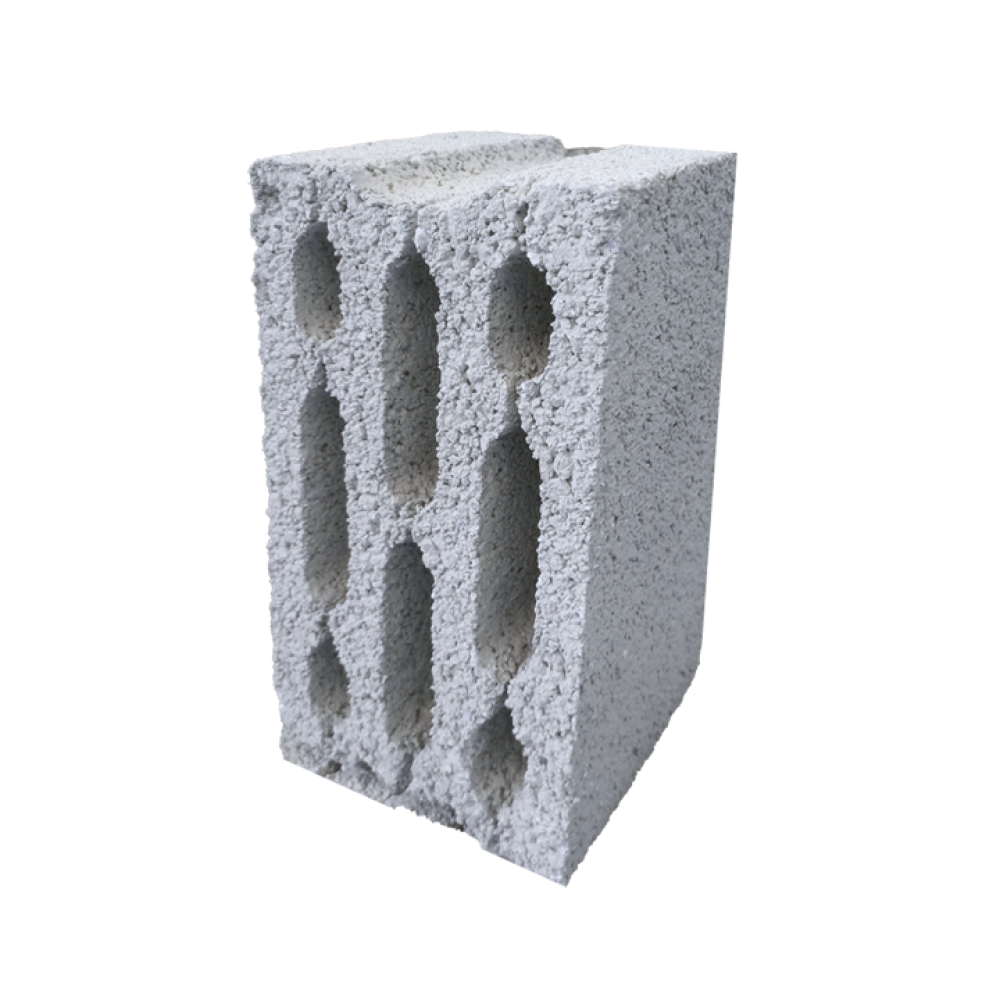
Cement block is manufactured using a mix of cement, sand, and water, and is usually lightweight and white or gray in color. Among its key advantages:
- Light weight: Cement block is lighter than red brick, making it easier to transport and install, which can help reduce labor and transport costs.
- Cost: Cement block is less expensive than red brick, making it an ideal choice for large projects or those with limited budgets.
- Thermal insulation: Although cement block offers less thermal insulation than red brick, it still provides good performance in this area.
Drawbacks:
- Sound insulation: Cement block is less efficient at sound insulation compared to red brick.
- Load-bearing strength: Cement block can be less durable in some cases, especially in buildings that require high tolerance for heavy weights.
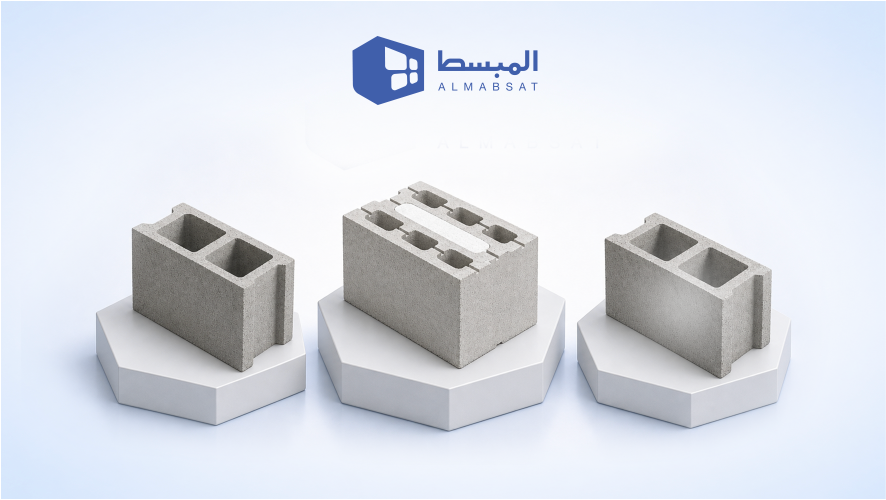
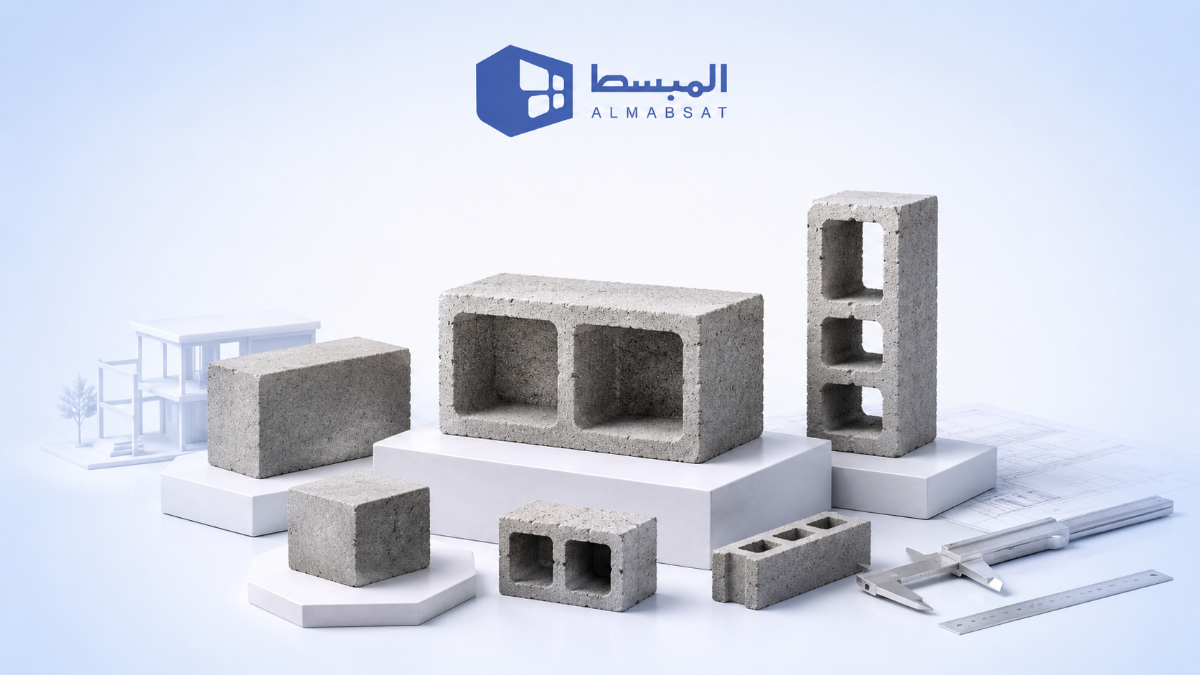
If you're looking for high-quality standard block to meet strong, sustainable building needs, Almabsat block is the perfect choice for you! It comes in a variety of sizes suitable for all types of projects, allowing you to achieve the best performance and efficiency at every step of construction. Whether you're building a home or a commercial project, Almabsat block offers exceptional durability and load-bearing strength while ensuring energy savings and the ideal balance between cost and quality.
3. The difference between red brick and cement block in construction applications
- Red brick: preferred in projects that require high thermal insulation and high quality, such as building villas or buildings in areas with extremely hot or extremely cold weather.
- Cement block: used mainly in economical projects and high-speed construction, where it can be used to build interior and exterior walls in commercial or residential buildings with limited budgets.
4. Conclusion: which one do you choose?
You should choose the type of block based on the project's needs. If you're looking for strong thermal and sound insulation with long-lasting durability, red brick is the most suitable choice. But if you're focused on economical cost and ease of transport, cement block will be the ideal choice. The choice between red brick and cement block depends on the building needs, the budget, and the geographic location.
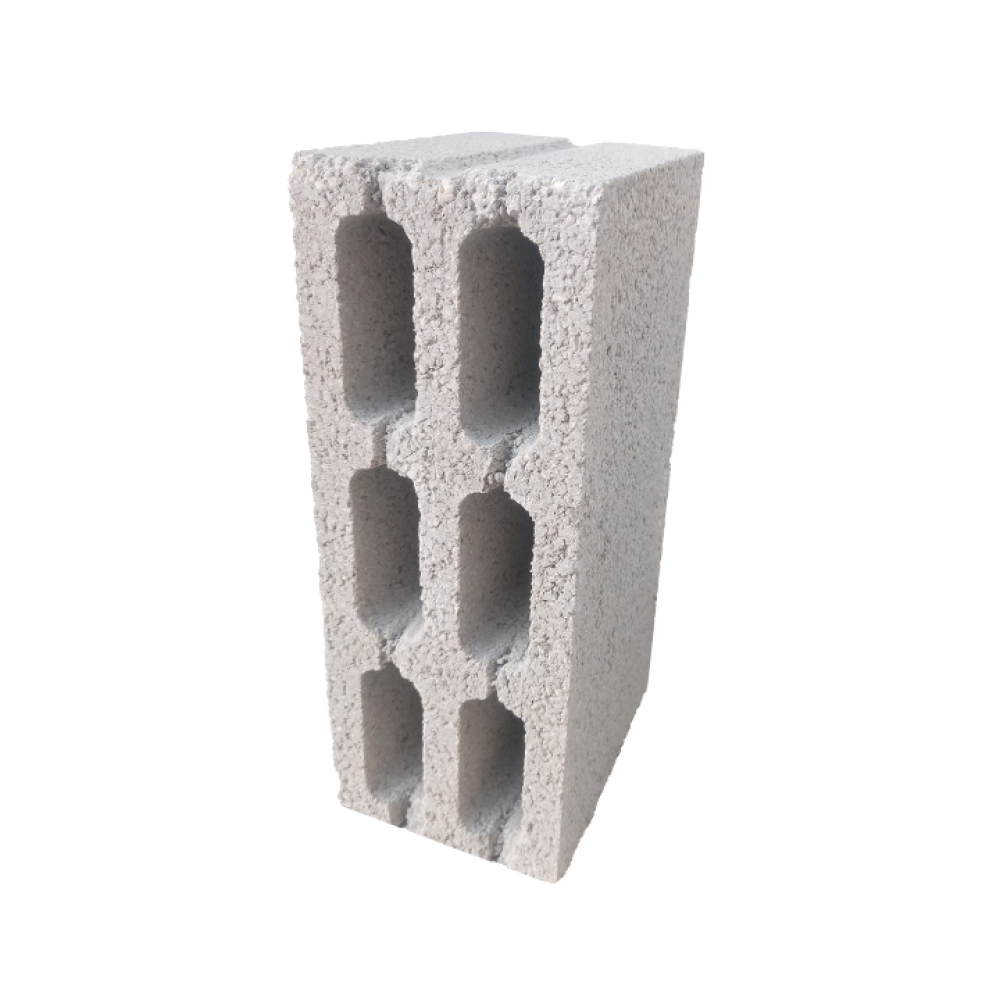
Get the strongest solutions for building in harsh climate conditions with steam-cured block from Almabsat. It comes in a variety of sizes and is the ideal choice for areas exposed to intense heat and humidity, offering exceptional protection against difficult climate factors. Whether you're building in hot or humid environments, this block provides superior thermal insulation and outstanding durability, ensuring a strong, sustainable build in all conditions.
In conclusion, the difference between red brick and cement block goes beyond mere appearance or cost — it extends to include many factors that affect the choice of each for different projects. While red brick stands out for its high durability and insulating ability, cement block offers an economical solution suitable for projects with limited budgets. Choosing the most suitable type depends on the project's needs in terms of thermal insulation, strength, and cost, allowing you to make the most appropriate decision for the success of your build.
To buy different types of block:
[[almabsat.com]]
General Disclaimer:
The information provided in this article is intended for general awareness purposes, aimed at helping readers better understand construction materials, procurement processes, and make more informed decisions. While Almabsat takes care in preparing and reviewing this content, every project is unique, and technical specifications, quantities, prices, execution methods, regulations, and manufacturer instructions may vary.
Therefore, this content should not be considered a substitute for engineering, technical, or professional consultation. It is recommended to consult engineers, consultants, and relevant authorities, and to review technical specifications and manufacturer instructions before making any design, execution, or purchasing decisions.
If this article includes any prices or price indicators, they are for guidance purposes only and may vary depending on the city, quantity, brand, purchase date, and market conditions.
If you need assistance with quantity estimation, BOQ review, or obtaining a quotation, the Almabsat team will be happy to assist you.