 Almabsat
 العربية
 English
 中文
中文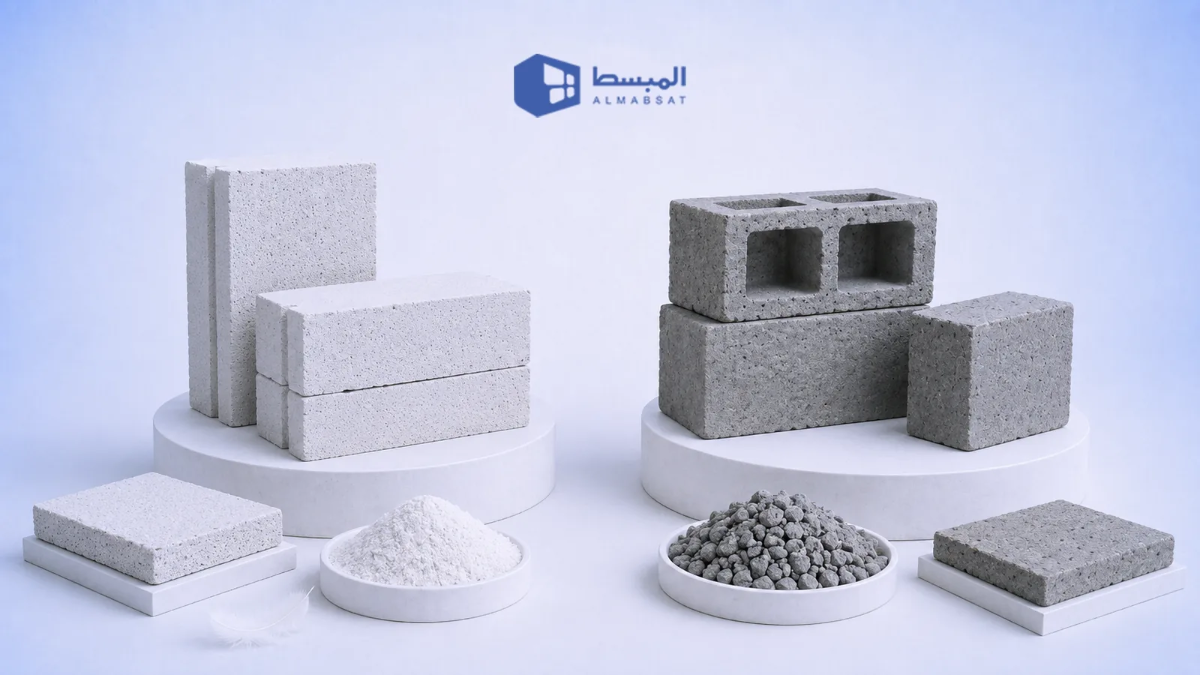
When talking about building materials, an important question comes up: what is the difference between aerated (steam-cured) block and regular block? This difference isn't just about shape or weight — it has a major impact on the strength of the build and cost efficiency. While aerated block stands out for its light weight and thermal insulation, regular block offers the strength and durability that make it the ideal choice for many projects. Let's explore the details of each type and help you pick the right one for a strong, economical build.
Understanding the difference between aerated block and regular block
Block is one of the essential materials used to build walls, whether in residential or commercial projects. Among the most common block types on the market are regular block and aerated block, each with its own properties and uses that make it suitable for a particular kind of project. If you're wondering about the difference between aerated block and regular block, here's a detailed explanation.
1. What aerated block and regular block are
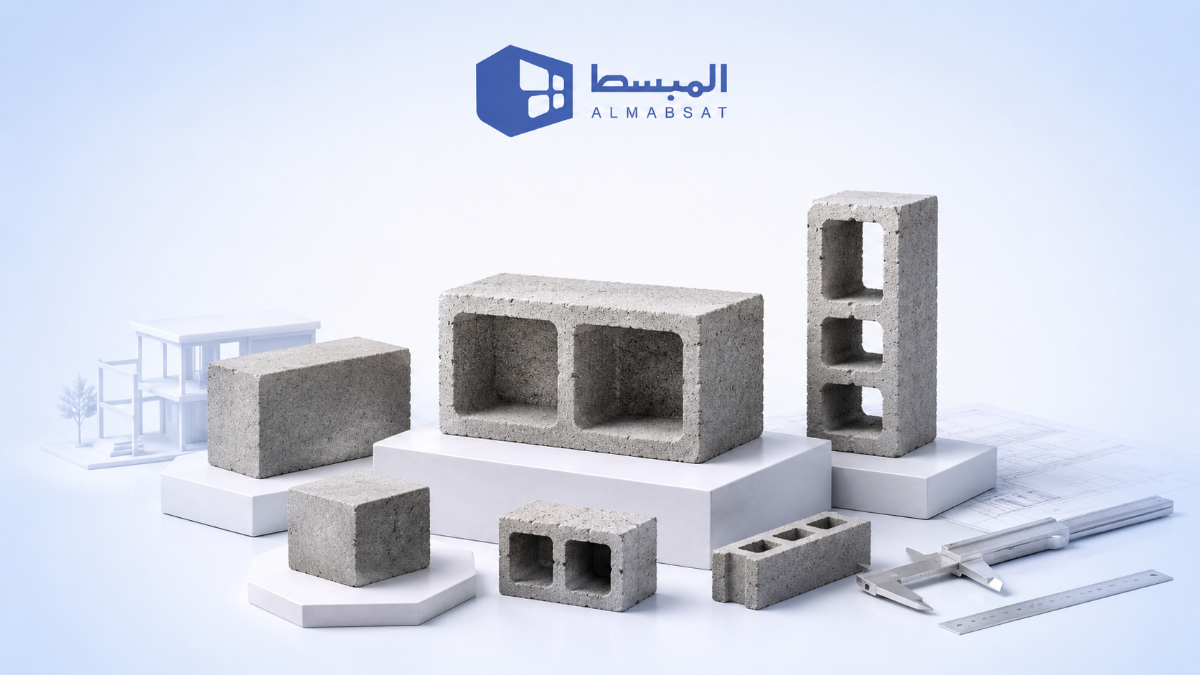
- Regular block: the traditional type of block, made from a mix of sand, cement, and water. This mix is poured into molds to produce various shapes. Regular block is known for its toughness and strength, making it an excellent choice for construction projects that require high load-bearing capacity, such as foundations and load-bearing walls.
- Aerated block: an advanced type of block made using steam technology, where it is processed in special kilns under high pressure and elevated temperature. This helps speed up the hardening of the material and makes it lighter and more durable. Aerated block offers good thermal insulation compared to regular block.
Get Aerated Block from Almabsat in a variety of sizes and enjoy ideal thermal insulation! Specially designed to withstand the harshest climate conditions, it gives you strength and stability with superior protection for your building. Choose the best for your projects and start building with confidence!
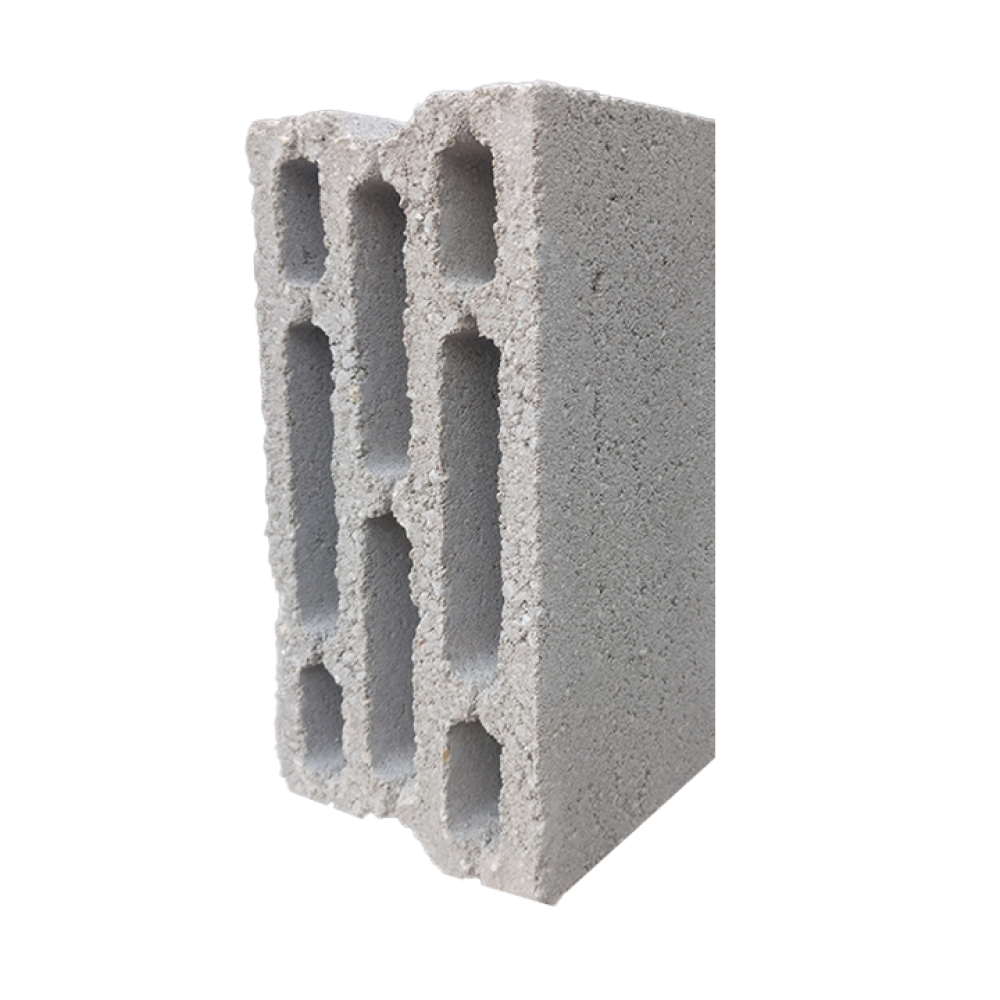
2. Weight and density
- Regular block: heavier than aerated block because its makeup contains higher proportions of sand and cement. This high density gives it great strength, making it suitable for foundations and load-bearing walls that require heavy loading.
- Aerated block: lighter in weight thanks to the steam technology used in its manufacture, since it contains internal voids in the form of air bubbles that reduce its density. This helps reduce the load on the concrete structure and allows it to be used in buildings that need good thermal insulation without adding heavy weight to the foundations.
3. Thermal and acoustic insulation
- Regular block: despite its toughness, regular block does not provide outstanding thermal insulation. It is mainly used in buildings that don't require advanced thermal insulation, and it sometimes needs additional insulation materials such as rock wool or cork to achieve the required performance.
- Aerated block: offers higher thermal and acoustic insulation properties thanks to the internal voids containing air bubbles. These bubbles help reduce the transfer of heat and cold between walls, making aerated block an ideal choice for homes or buildings that need a high degree of thermal insulation, such as hot or cold climate areas.
4. Cost
- Regular block: usually lower in cost than aerated block because cheaper materials are used to make it. However, projects using regular block may require more attention to insulation techniques, which increases the overall project cost.
- Aerated block: more expensive than regular block due to the advanced technology used in its manufacture, but over the long term it saves on additional thermal and acoustic insulation costs. It can help reduce a building's operating costs by lowering the need for air conditioning or heating, making it an economical choice for long-term projects.
5. Durability and hardness
- Regular block: regular block is known for superior hardness and the ability to bear heavy loads, making it ideal for buildings that need strong load-bearing walls. It is often used in buildings located in areas exposed to significant pressure or wear.
- Aerated block: although aerated block is lighter, it has good hardness and performs well in applications that don't require bearing heavy loads. It is therefore the ideal choice for buildings that need good thermal insulation without the need for heavy load-bearing walls.
6. Ease of installation
- Regular block: requires more time to install due to its weight and density. The installation process may need heavy equipment and specialized labor, especially on large projects.
- Aerated block: thanks to its lighter weight, aerated block is easier to handle and install. Its properties also reduce wall-building time, helping speed up project execution.
7. Optimal uses
- Regular block: mainly used in load-bearing walls, foundations, and columns that require high strength. It is also an excellent choice for buildings that don't need significant thermal insulation.
- Aerated block: aerated block is preferred for non-load-bearing walls, where the focus is on thermal and acoustic insulation rather than heavy loading. It is commonly used in modern residential buildings that require energy savings and heating efficiency.
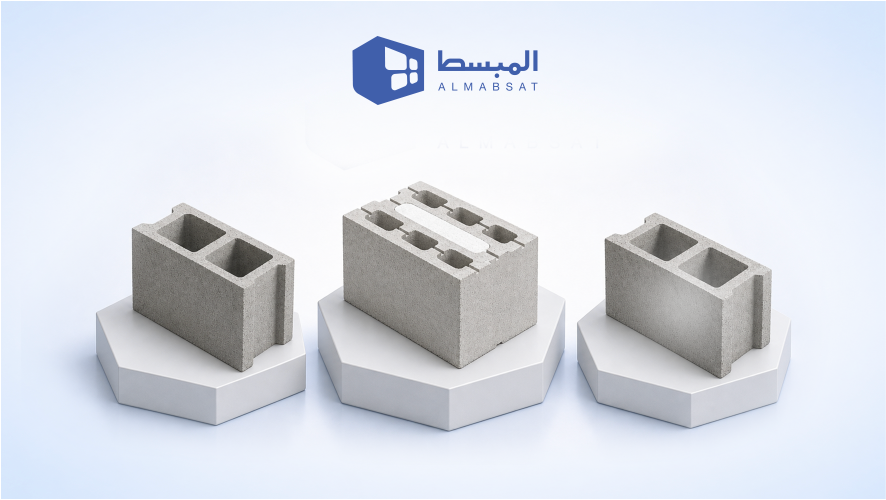
Choose Regular Block from Almabsat in a variety of sizes and enjoy exceptional strength and stability with easy installation! Ideal for all types of construction, it gives you an economical cost for your projects without compromising on quality. Choose it now for a strong, safe build.
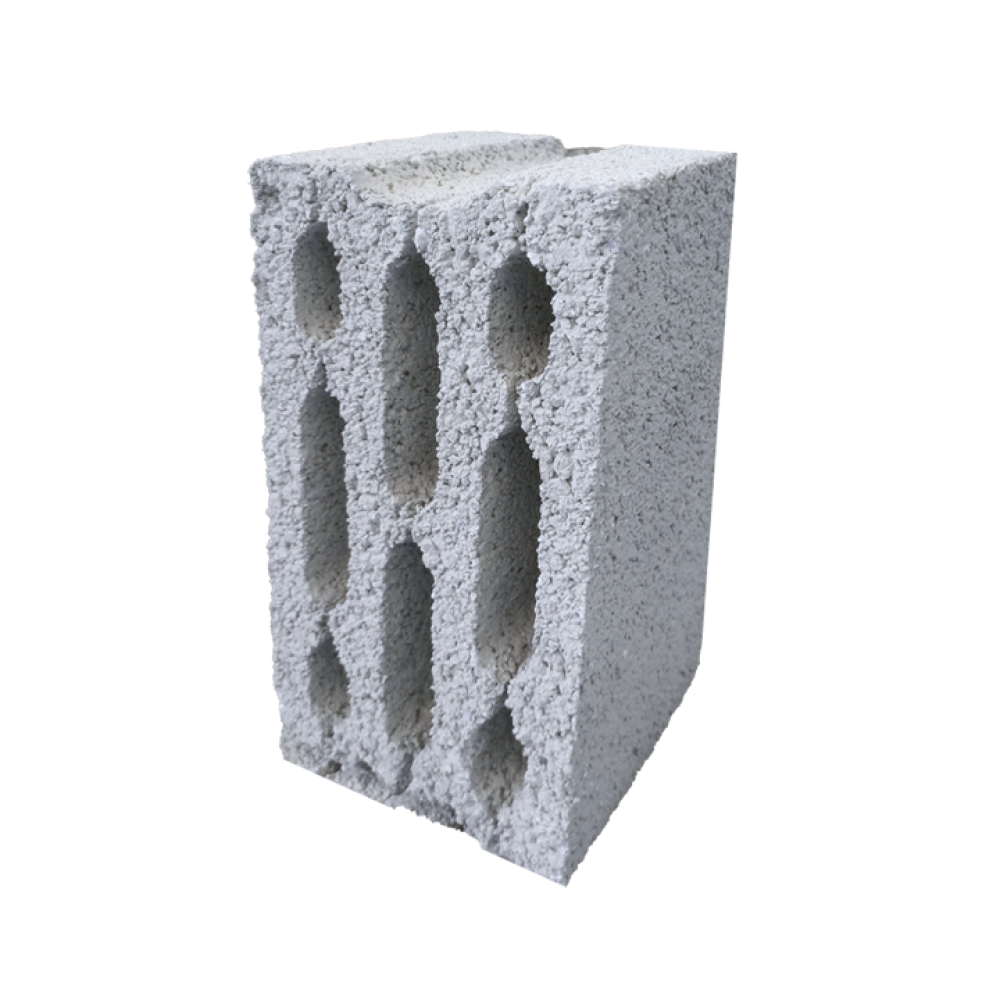
It's clear that the difference between aerated block and regular block comes down to a set of factors that include weight, thermal insulation, durability, and cost. If you're working on a project that needs excellent thermal insulation and energy efficiency, aerated block will be the better choice. But if you need a strong building material capable of bearing heavy loads at an economical cost, regular block is the ideal choice.
In the end, it becomes clear that the difference between aerated block and regular block depends largely on the needs and requirements of the project. If you're looking for outstanding thermal insulation and light weight, aerated block is the ideal choice. But if you're focused on strength and durability at an economical cost, there's no doubt regular block will serve you very well. Your choice between the two types depends on your project, but the most important thing is making sure your decision aligns with quality and budget requirements.
To buy different types of block such as aerated block and regular block:
[[almabsat.com]]
General Disclaimer:
The information provided in this article is intended for general awareness purposes, aimed at helping readers better understand construction materials, procurement processes, and make more informed decisions. While Almabsat takes care in preparing and reviewing this content, every project is unique, and technical specifications, quantities, prices, execution methods, regulations, and manufacturer instructions may vary.
Therefore, this content should not be considered a substitute for engineering, technical, or professional consultation. It is recommended to consult engineers, consultants, and relevant authorities, and to review technical specifications and manufacturer instructions before making any design, execution, or purchasing decisions.
If this article includes any prices or price indicators, they are for guidance purposes only and may vary depending on the city, quantity, brand, purchase date, and market conditions.
If you need assistance with quantity estimation, BOQ review, or obtaining a quotation, the Almabsat team will be happy to assist you.